When Machines Think: The Rise of Smart Industrial Automation

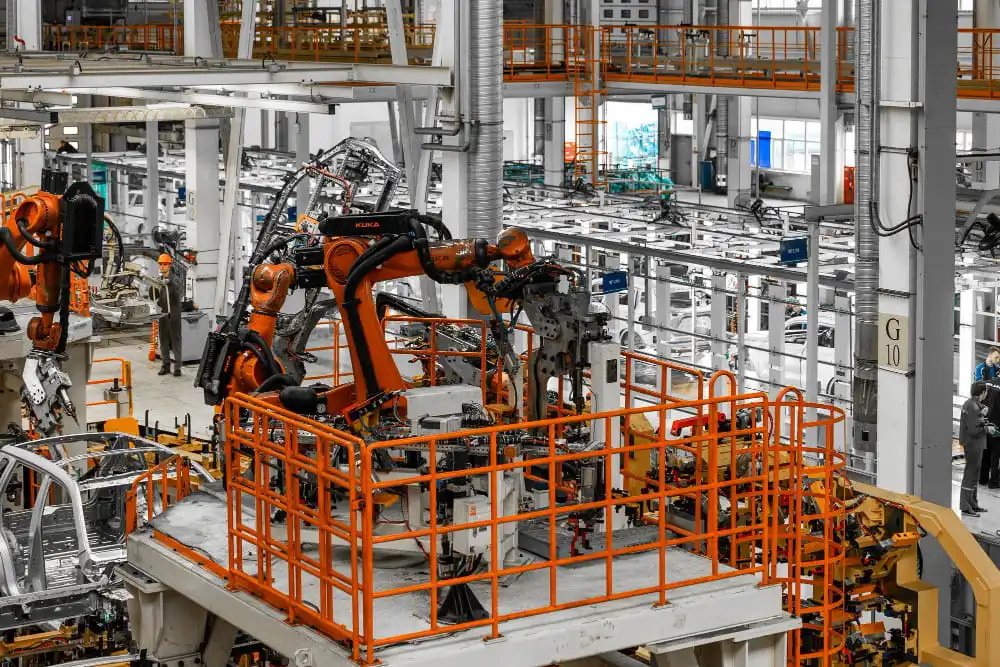
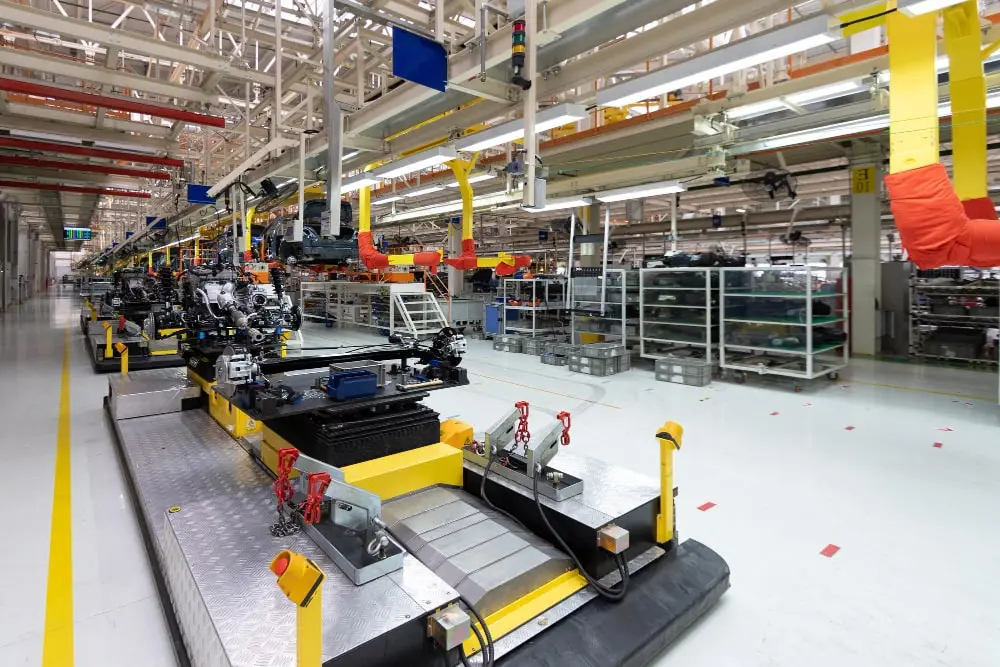
A modern automated manufacturing assembly line showcasing advanced machinery and robotics, reflecting the evolution shaped by the history of industrial automation.

In today’s fast-evolving industrial landscape, machines are no longer just tools — they’re intelligent partners shaped by the long history of industrial automation. What once required manual effort, constant monitoring, and repetitive human intervention is now performed with accuracy, adaptability, and even predictive thinking. From early mechanical systems to today’s AI-enabled technologies, the history of industrial automation has paved the way for a new era where machines don’t just work… they think.

The history of industrial Automation from traditional to smart

For decades, industries relied on mechanical systems and basic automation to streamline processes. These systems could perform predefined tasks but lacked flexibility. Any change meant reprogramming, recalibration, or manual oversight.
Smart automation changed everything.
The history of industrial automation defines by integrating advanced technologies like AI, machine learning, IoT, robotics, and real-time analytics, modern industrial systems can now learn from data, make decisions, and optimize themselves — all without constant human input.

How Machines Are “Thinking” in Today’s Industries


  1. Learning From Data
    Industrial sensors now collect enormous amounts of data from environments, machines, and human inputs. Algorithms analyze patterns to predict failures, optimize performance, and reduce downtime.
  2. Autonomous Decision-Making
    Robots and automated systems can now adjust to changes such as product variations, material shortages, or workflow shifts — instantly and intelligently.
  3. Predicting the Future
    Instead of reacting to issues, smart machines anticipate them. Predictive maintenance is saving companies millions by preventing breakdowns before they occur.

Real-World Examples of Smart Automation in Action

1. Smart Factories

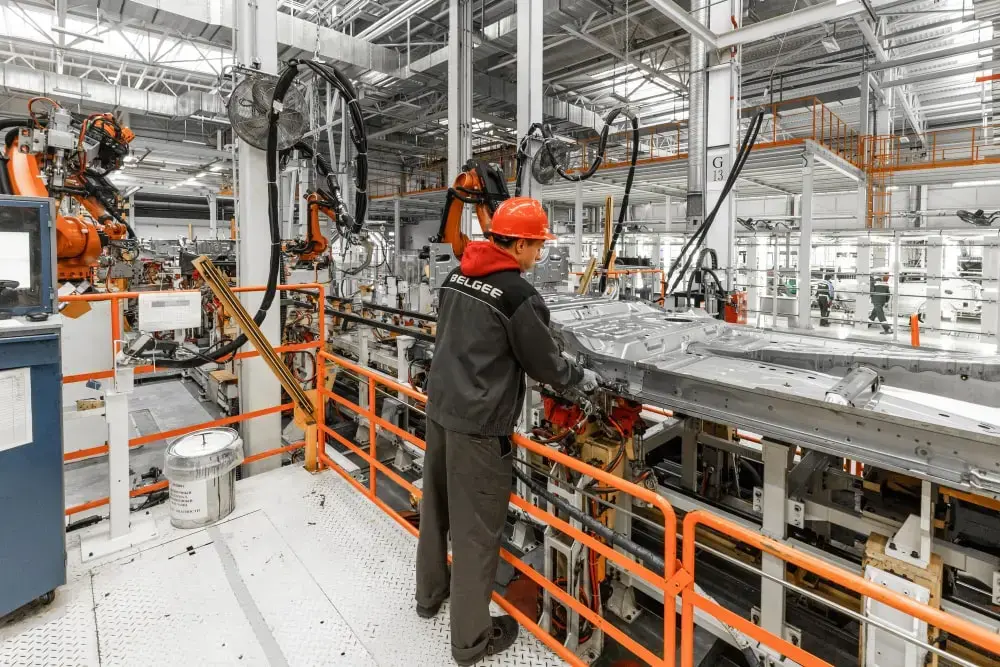
Manufacturing plants equipped with connected systems run smoother, faster, and with fewer errors.

2. Collaborative Robots (Cobots)

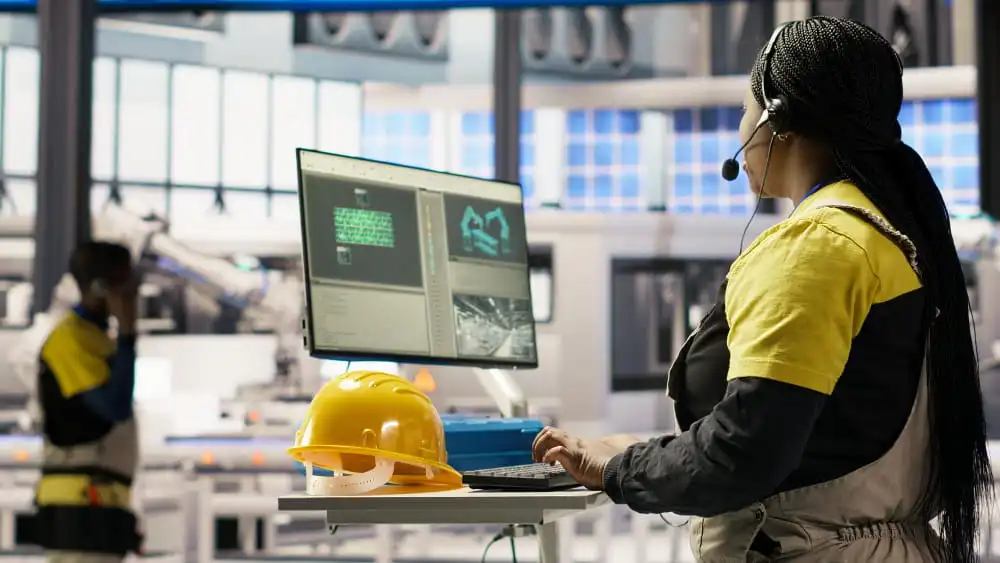
Cobots work safely alongside humans, adapting in real time to changes on the factory floor.

3. IoT-Driven Insights

Sensors continuously monitor temperature, pressure, wear, vibration, and more — giving managers real-time visibility.


Benefits That Industries Can’t Ignore

Smart industrial automation delivers advantages that are impossible to overlook:

  • Higher efficiency and productivity
  • Reduced operational costs
  • Improved product quality and consistency
  • Enhanced worker safety
  • Faster decision-making
  • Scalability for future growth

The Human & Machine Partnership

Despite all the technological advancements, the goal of smart automation isn’t to replace humans — it’s to empower them, just as the history of industrial automation has always aimed to enhance human capability. With machines now handling repetitive, risky, and data-heavy tasks, human workers can shift their focus to innovation, complex problem-solving, and creativity. The most successful organizations will be those that blend the precision of intelligent machines with the ingenuity of people, continuing the evolution shaped throughout the history of industrial automation.

The Future: Autonomous Industries

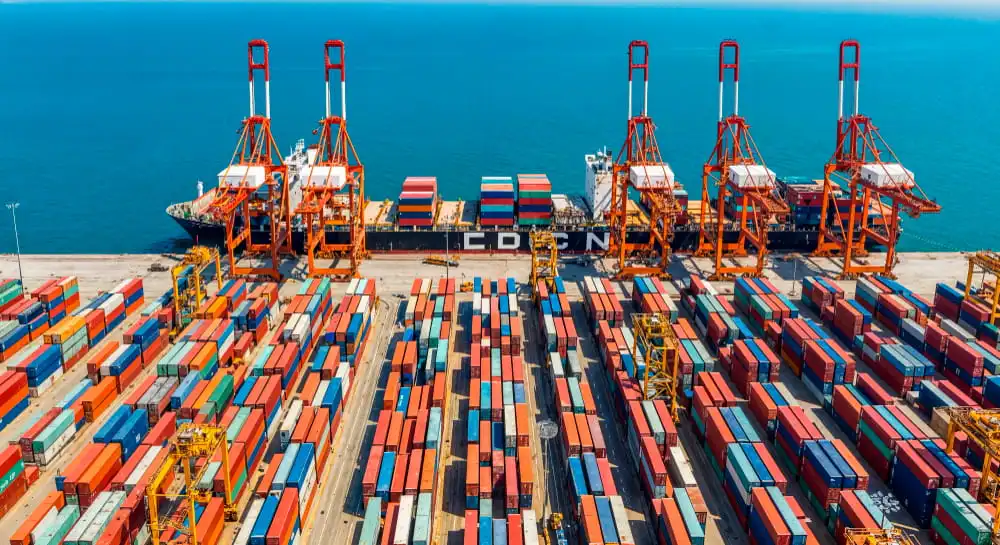
We are moving towards fully connected, self-adjusting, and self-optimizing industrial ecosystems. From supply chain automation to AI-driven production lines, future industries will be faster, safer, and smarter than ever before.
The age of intelligent machines has already begun — and it’s reshaping industries worldwide.

Conclusion

The rise of smart industrial automation marks a defining shift in how modern industries operate. As machines become more intelligent, connected, and autonomous, they are not just improving efficiency — they are transforming the very foundation of manufacturing. This evolution opens doors to faster production, safer workplaces, and unprecedented accuracy, enabling businesses to stay competitive in a rapidly changing world.

For further reading on similar topics, check out article on: Industrial Automation and Control Systems: Driving the Future of Industry

Copyright © 2023 Voyage Institute Of Technology Pvt Ltd, All rights reserved.