
Industrial Automation Solutions for Modern Manufacturing Industries
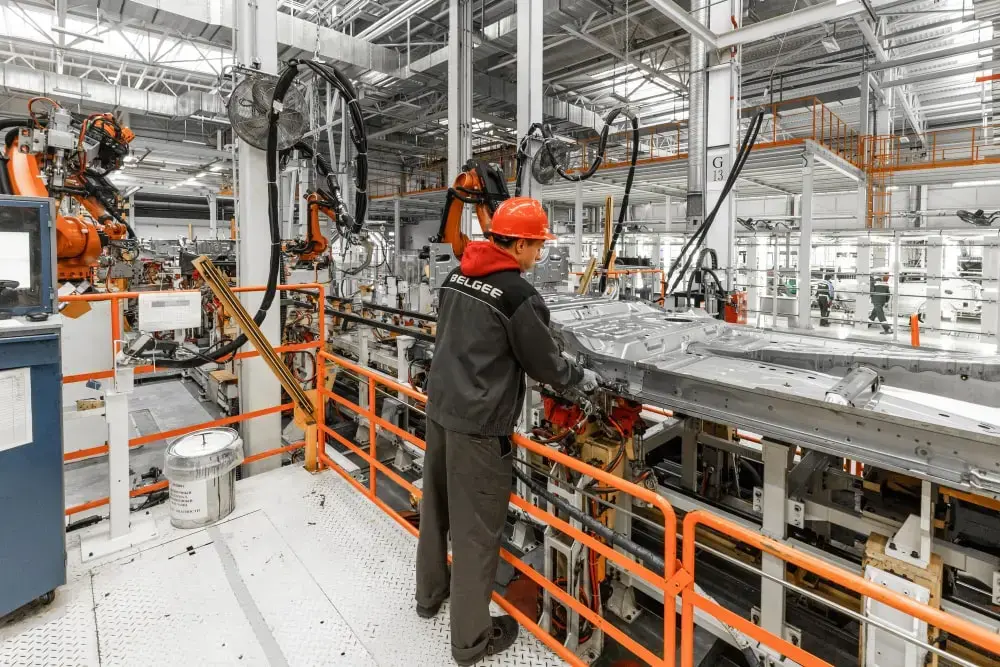
Industrial automation solutions are transforming modern manufacturing by enabling faster, smarter, and more efficient production processes. By integrating intelligent machines, real-time monitoring, and data-driven control systems, manufacturers can improve productivity, quality, and operational reliability in an increasingly competitive environment.
What Are Industrial Automation Solutions?
Industrial automation solutions refer to the use of automated control systems, machinery, and digital technologies to operate manufacturing processes with minimal human intervention. These solutions replace repetitive, error-prone manual tasks with precise and programmable systems.
Industrial automation is commonly applied in:
-
Manufacturing plants
-
Process industries
-
Packaging and material handling
-
Assembly and quality inspection
The goal is consistent production, reduced operational cost, and improved product quality.
Key Components of Industrial Automation Solutions
1. Programmable Logic Controllers (PLCs)
PLCs are the backbone of industrial automation. They control machines and processes by executing programmed logic based on input signals from sensors.
2. Human Machine Interface (HMI)
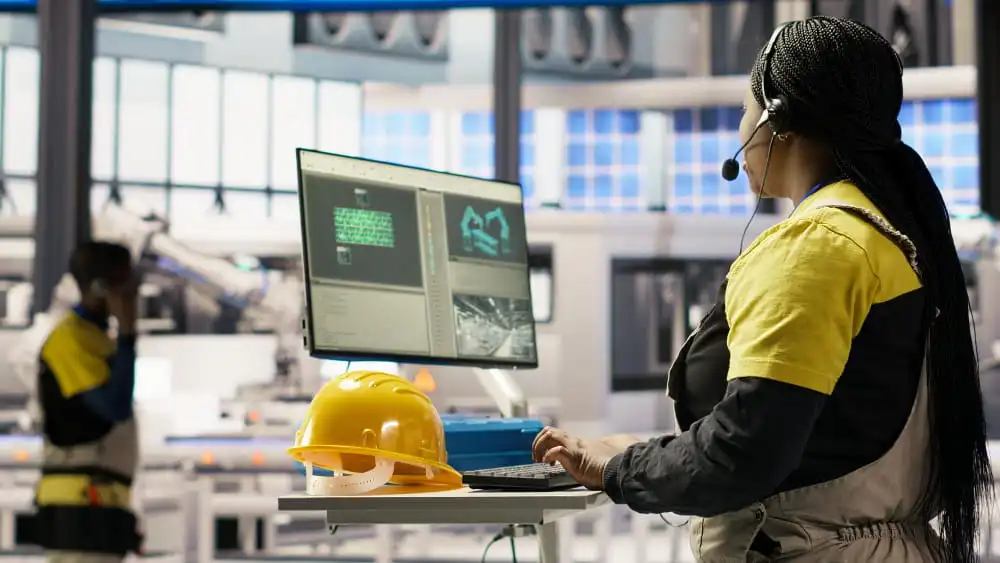
HMI systems allow operators to monitor, control, and visualize industrial processes through graphical displays, dashboards, and alarms.
3. Sensors and Actuators
Sensors collect real-time data such as temperature, pressure, speed, and proximity. Actuators convert control signals into physical actions like movement or rotation.
4. Industrial Robots
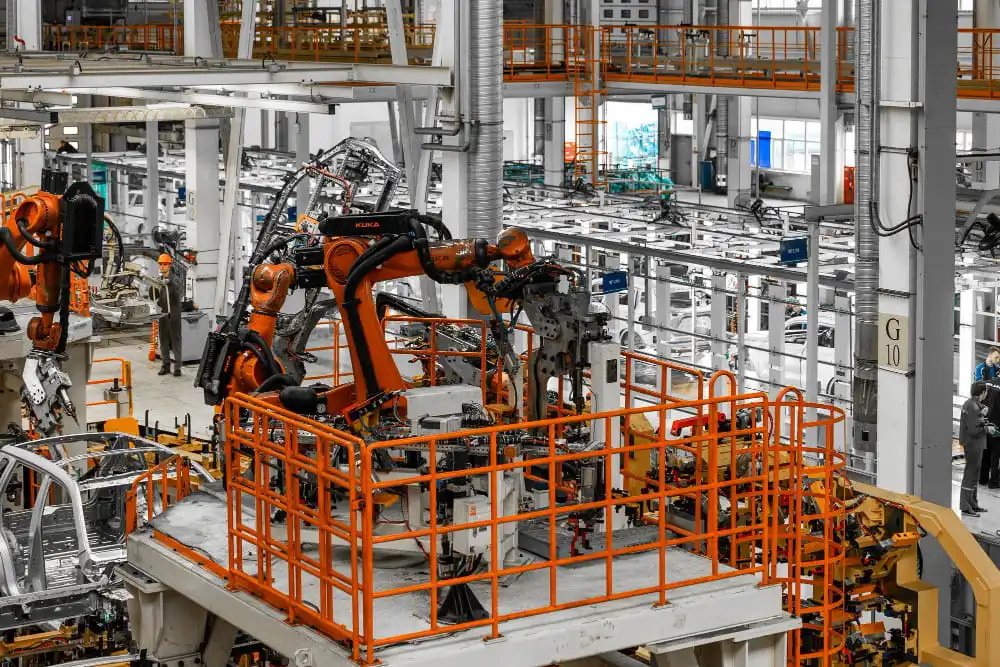
Robots perform tasks such as welding, assembly, painting, and pick-and-place operations with high precision and speed.
5. SCADA and DCS Systems
-
SCADA (Supervisory Control and Data Acquisition): Used for monitoring and controlling large-scale industrial operations.
-
DCS (Distributed Control System): Common in process industries for continuous control.
Applications of Industrial Automation Solutions
1. Manufacturing and Assembly Lines
Automation ensures faster production cycles, consistent quality, and reduced downtime in assembly operations.
2. Process Industries
Industries such as oil & gas, chemicals, pharmaceuticals, and food processing rely on automation for continuous and precise process control.
3. Material Handling and Packaging
Automated conveyors, robotic arms, and palletizers improve speed and accuracy in logistics and packaging.
4. Quality Control and Inspection
Vision systems and automated inspection tools detect defects and maintain product standards.
5. Energy and Utilities
Automation improves efficiency in power generation, water treatment, and energy management systems.
Benefits of Industrial Automation Solutions
1. Increased Productivity
Automation enables faster production with minimal interruptions, increasing overall output.
2. Improved Product Quality
Consistent processes reduce errors, defects, and variations in manufacturing.
3. Cost Reduction
Lower labor costs, reduced waste, and optimized resource utilization lead to long-term savings.
4. Enhanced Safety
Automation minimizes human exposure to hazardous environments and repetitive tasks.
5. Scalability and Flexibility
Modern automation systems can be upgraded or reprogrammed to meet changing production needs.
Future Trends in Industrial Automation
1. Industry 4.0 and Smart Manufacturing
The integration of IoT, cloud computing, and advanced analytics enables real-time monitoring, predictive maintenance, and smarter decision-making across manufacturing operations.
2. Artificial Intelligence and Machine Learning
AI-driven automation improves process optimization, fault detection, quality prediction, and adaptive control systems in modern factories.
3. Collaborative Robots (Cobots)
Cobots are designed to work safely alongside humans, enhancing productivity while maintaining flexibility and reducing workplace strain.
4. Digital Twins
Digital twins create virtual replicas of physical systems, allowing manufacturers to simulate, analyze, and optimize processes before implementing changes.
Conclusion
Industrial automation solutions are essential for modern manufacturing industries aiming to stay competitive, efficient, and future-ready. By adopting automated systems, manufacturers can achieve higher productivity, consistent quality, improved safety, and sustainable growth.
As technologies continue to evolve, industrial automation will play a central role in shaping the future of manufacturing. Businesses that invest in the right automation solutions today will be better positioned for long-term success.
For further reading on similar topics, check out article on: Advanced Industrial Automation Systems: Transforming Modern Manufacturing
We are a group of Experienced passionate professionals spent many years working in the marine, oil and gas, petrochemical, and energy sectors.
Other Pages
Quick Links
Copyright © 2023 Voyage Institute Of Technology Pvt Ltd, All rights reserved.