Industrial Automation: Transforming Industries with Smart Technology
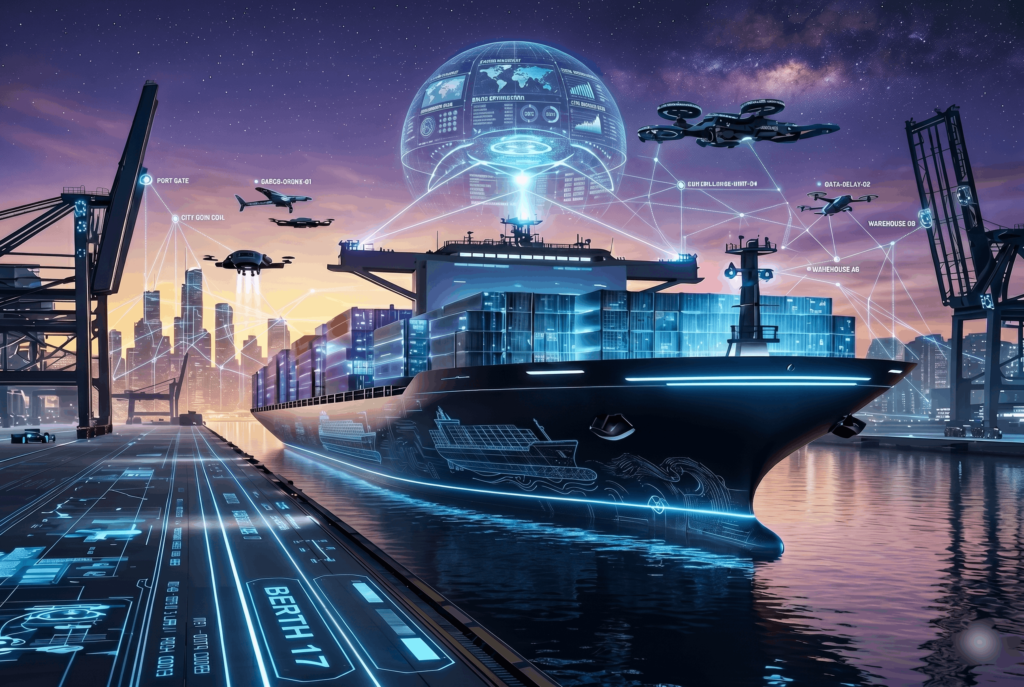
Home About Us Courses Job Opening Gallery Blog Contact Us X Enquire now Industrial Automation: Transforming Industries with Smart Technology The industrial world is changing rapidly with the rise of advanced technologies and intelligent systems. Businesses today are searching for smarter ways to improve productivity, reduce costs, and maintain high-quality standards. In this modern era, Industrial Automation: Transforming Industries with Smart Technology has become one of the most important developments driving industrial growth and innovation. Automation is helping industries become faster, safer, and more efficient while reducing dependence on manual operations. From manufacturing plants to energy industries, automation systems are improving industrial performance in remarkable ways. Smart technologies are now playing a major role in shaping the future of industries worldwide. Understanding Industrial Automation Industrial automation refers to the use of advanced control systems, machinery, robotics, and software technologies to automate industrial processes. Instead of relying completely on human effort, industries use automated systems to manage production, monitor machines, and improve operational efficiency. The concept of Industrial Automation: Transforming Industries with Smart Technology focuses on making industrial operations more intelligent and reliable. Technologies such as PLC, SCADA, HMI, sensors, and robotics are commonly used in modern automation systems. These technologies help industries perform tasks with greater accuracy and speed while minimizing human error. Automation has become essential in industries such as automobile manufacturing, food processing, pharmaceuticals, oil and gas, and power generation because it improves productivity and operational consistency. Smart Technology in Modern Industries Smart technology is the backbone of industrial automation. Modern industries are using Artificial Intelligence (AI), Internet of Things (IoT), cloud computing, and machine learning to create connected and intelligent production environments. The idea behind Industrial Automation: Transforming Industries with Smart Technology is to allow machines and systems to communicate, collect data, and make decisions automatically. Smart sensors monitor industrial equipment in real time and help businesses identify problems before major failures occur. These advanced technologies improve machine performance, reduce downtime, and help industries optimize production processes. As industries continue adopting digital transformation strategies, smart automation systems are becoming increasingly important for long-term success. Improving Productivity and Efficiency One of the biggest benefits of industrial automation is improved productivity. Automated machines can operate continuously without fatigue, allowing industries to achieve faster production and better output. This helps companies meet customer demands more efficiently. Industrial Automation: Transforming Industries with Smart Technology also improves operational efficiency by reducing production delays and minimizing material waste. Automated systems perform repetitive tasks with high precision, ensuring better product quality and consistency. Industries that invest in automation technologies can reduce operational costs while increasing overall production performance. This creates a strong competitive advantage in today’s fast-moving industrial market. Workplace Safety and Reliability Industrial environments often involve dangerous tasks and heavy machinery. Automation technology helps improve workplace safety by reducing human involvement in risky operations. Robots and automated systems can handle hazardous tasks more safely and accurately. The concept of Industrial Automation: Transforming Industries with Smart Technology also supports better reliability in industrial operations. Automated systems can monitor machine conditions continuously and provide alerts when maintenance is required. This prevents unexpected breakdowns and improves the overall lifespan of industrial equipment. Safer working environments and reliable production systems are major reasons why industries are rapidly adopting automation technologies. Future of Industrial Automation The future of industrial automation is highly promising. Industries worldwide are moving toward Industry 4.0, where automation, robotics, AI, and IoT work together to create smart factories and intelligent production systems. The vision of Industrial Automation: Transforming Industries with Smart Technology will continue expanding as businesses seek innovative solutions for better efficiency and sustainability. Future industries will rely heavily on data-driven systems capable of making real-time decisions and optimizing industrial operations automatically. Automation technology will also create exciting career opportunities for engineers and technical professionals who specialize in industrial control systems and smart manufacturing technologies. Conclusion Industrial Automation: Transforming Industries with Smart Technology is revolutionizing the industrial sector by improving productivity, efficiency, safety, and operational performance. Smart automation systems are helping industries reduce costs, increase production quality, and adapt to the demands of modern manufacturing. With the rapid growth of AI, robotics, IoT, and intelligent control systems, industrial automation will continue shaping the future of industries worldwide. Businesses that embrace automation technologies today are preparing for a smarter, more efficient, and more competitive future in the rapidly evolving industrial world. Latest Post Is Marine Automation a Good Career Choice in 2026? Why Automation Engineers Are in High Demand Worldwide Top Reasons to Learn Industrial Automation in 2026 Learning Marine Automation: Skills That Power Modern Ships Industrial Automation Solutions for Modern Manufacturing Industries We are a group of Experienced passionate professionals spent many years working in the marine, oil and gas, petrochemical, and energy sectors. Facebook-f Instagram Twitter Other Pages Home About Us Courses Job Opening Gallery Contact Us Quick Links Privacy Policy Term Of Service FAQ Contact Us VOYAGE INSTITUTE OF TECHNOLOGY PVT LTD Kadooli Tower, 3rd Floor West Nadakkavu Kozhikode-673011 +914957967008 info@voyageinstitute.com Copyright © 2023 Voyage Institute Of Technology Pvt Ltd, All rights reserved.
Marine Electrical & Instrumentation Course in Kerala

Home About Us Courses Job Opening Gallery Blog Contact Us X Enquire now Marine Electrical & Instrumentation Course in Kerala The marine sector continues to undergo fast advancements through the introduction of automated systems, electric installations, and instrumentation. In light of such innovations, more and more skilled workers are required in the marine industry to install, maintain, and troubleshoot modern vessels. The best Marine Electrical & Instrumentation Course in Kerala will enable students to acquire technical knowledge that will enable them to succeed in their careers in the field. This course is designed for any student or worker who want to establish a successful career in the marine and automation industry. It can be undertaken by any student, including those who have completed diploma courses, ITI programs, and even those who have graduated with an engineering degree. This course includes practical knowledge as well as theoretical concepts that will enable the trainees to become competent enough to handle actual marine situations. Importance of Marine Electrical & Instrumentation Training All modern ships operate using automated systems, and hence, it becomes important to have skilled technicians to handle them. Every marine vessel uses various automated systems ranging from navigation support to engine control systems and even fire alarm systems. Skilled marine engineers and electricians ensure efficient working of such systems. Marine electrical & instrumentation training enables individuals to learn about instrumentation and electric maintenance in marine vessels. It exposes one to modern instrumentation tools and electric instruments, thereby providing hands-on experience. Topics covered in Marine Electrical & Instrumentation Course in Kerala This course curriculum is geared towards giving students theoretical insight and industry knowledge of marine electrical and instrumentation. The modules in the curriculum will cover all the necessary aspects in marine electrical and instrumentation that are applied in today’s ship and automation industries. Cable Glanding and Termination Glanding and termination of cables is one of the most vital skills in marine electrical. Students will be taught how to properly handle cables, ways of identifying wires, how to insulate cables, and correct ways of terminating cables in accordance with industry standards. Cold and Hot Loop Checking Loop checking is a process in instrumentation systems that involves checking the continuity of signal in the system. The process is crucial in controlling the activities of the various components of the instrument system. Students will be taught the art of checking cold and hot loops in their instruments. Instrumentation Calibration The calibration process in marine instrumentation systems is very important since it ensures accuracy. The students will be guided through the process of calibrating pressure transmitters, temperature sensors, level instruments, and flow measuring devices using industry standard calibration devices. Marine Automation Systems Modern marine vessels are fitted with complex systems that facilitate the efficiency of the vessel’s processes. Learners are taught about marine automation systems, PLC systems, alarm monitoring systems, engine automation, and integrated control systems. This enables the students to comprehend how automated marine systems enhance safety, efficiency, and fuel savings. Electrical Maintenance and Safety Electrical safety is of paramount importance due to the continuous operation of electrical installations in such an environment. Topics covered in this section include preventive maintenance, electrical inspections, tests and circuit protection, electrical maintenance, and general safety in the work environment. The trainees are equipped with skills to detect electrical hazards and observe safety measures. Fault Diagnosis and Troubleshooting Fault diagnosis and troubleshooting constitute essential skills for electrical technicians at sea. Students learn how to troubleshoot electrical installations and other components such as automation and instrumentation by systematically detecting and fixing faults in the circuit. Career Prospects after Course Completion After successfully completing a Marine Electrical & Instrumentation Course, there is an array of career options available for a candidate. These include jobs like Marine Electrical Technician, Instrumentation Technician, Automation Technician, Electrical Maintenance Technician, Marine Service Engineer, Offshore Instrumentation Assistant, etc.In view of the increasing demands of the shipping and offshore industry, there are many opportunities to choose from not only in India but abroad as well. Why Opt for Kerala for Your Marine Technical Education? Kerala has emerged as a vital center for technical and maritime education with its close association with the shipping industry and highly skilled manpower. The emphasis of Marine training centers in Kerala is laid on practical knowledge and learning through industry-related training programs to help students pursue lucrative technical careers. Here, students get the advantage of having experienced tutors, practical laboratories, and practical exposure to industrial equipment and machinery according to the latest standards in the maritime sector. Conclusion Undoubtedly, taking up a course in Marine Electrical & Instrumentation would be ideal for anyone desiring to have a successful career within the marine automation and electrical field. In addition to equipping you with technical knowledge and practical skills, the course offers the necessary expertise required for working within the industry. For further reading on similar topics, check out the article on: Why Automation Engineers Are in High Demand Worldwide Latest Post Is Marine Automation a Good Career Choice in 2026? Why Automation Engineers Are in High Demand Worldwide Top Reasons to Learn Industrial Automation in 2026 Learning Marine Automation: Skills That Power Modern Ships Industrial Automation Solutions for Modern Manufacturing Industries We are a group of Experienced passionate professionals spent many years working in the marine, oil and gas, petrochemical, and energy sectors. Facebook-f Instagram Twitter Other Pages Home About Us Courses Job Opening Gallery Contact Us Quick Links Privacy Policy Term Of Service FAQ Contact Us VOYAGE INSTITUTE OF TECHNOLOGY PVT LTD Kadooli Tower, 3rd Floor West Nadakkavu Kozhikode-673011 +914957967008 info@voyageinstitute.com Copyright © 2023 Voyage Institute Of Technology Pvt Ltd, All rights reserved.
Industrial Automation Course for Electrical Engineers

Home About Us Courses Job Opening Gallery Blog Contact Us X Enquire now Industrial Automation Course for Electrical Engineers The industrial sector is undergoing a major transformation with the rapid growth of automation and smart technologies. Industries today are adopting advanced systems to improve productivity, enhance operational efficiency, reduce downtime, and maintain consistent quality standards. In this evolving industrial environment, skilled automation professionals are in high demand across the world. This is why an Industrial Automation Course for Electrical Engineers has become one of the most valuable and career-focused training programs for aspiring engineers and working professionals. Electrical engineers already possess a strong foundation in electrical systems, circuits, motors, and power management. When this knowledge is combined with industrial automation skills, it creates a powerful career advantage. Automation training helps engineers understand modern industrial technologies and prepares them to work with intelligent systems used in factories, manufacturing plants, and large industrial operations. With industries moving toward smart manufacturing and Industry 4.0 technologies, automation expertise has become essential for professional growth. Understanding Industrial Automation Industrial automation is the process of using advanced technologies and control systems to operate industrial machinery and processes automatically with minimal human intervention. Automation systems include technologies such as PLC (Programmable Logic Controller), SCADA (Supervisory Control and Data Acquisition), HMI (Human Machine Interface), industrial sensors, robotics, drives, and control panels. An Industrial Automation Course for Electrical Engineers provides detailed knowledge about how these technologies function in real industrial environments. Automation systems are designed to improve speed, accuracy, productivity, and safety within industries. By automating repetitive and complex tasks, industries can achieve better operational performance while reducing human errors and production delays. Modern industries such as automobile manufacturing, pharmaceuticals, oil and gas, power generation, food processing, and infrastructure development heavily depend on industrial automation systems. As a result, companies are continuously searching for skilled electrical engineers who have practical automation knowledge and technical expertise. Why Electrical Engineers Should Learn Industrial Automation An Industrial Automation Course for Electrical Engineers helps professionals gain specialized technical skills that are highly valued in today’s industrial world. Electrical engineers are directly involved in the installation, operation, maintenance, and troubleshooting of industrial systems. Automation training enhances their capabilities and enables them to work confidently with advanced industrial equipment. Automation technology is becoming a critical part of every major industry. Engineers with knowledge of PLC programming, SCADA systems, motor control, instrumentation, and industrial networking are considered valuable assets for companies. Automation training also improves analytical thinking and problem-solving abilities because engineers learn how to manage complex industrial processes efficiently. Another important reason for learning automation is career stability. Industries are investing heavily in smart technologies and automated production systems. This means the demand for automation engineers will continue increasing in the coming years. Electrical engineers who complete automation training often receive better job opportunities, higher salaries, and faster career growth compared to traditional engineering roles. Practical Training and Industry Exposure One of the biggest advantages of joining an Industrial Automation Course for Electrical Engineers is the opportunity to gain practical industrial exposure. A good automation course focuses not only on theory but also on real-time industrial applications. Students work with industrial PLC panels, SCADA software, sensors, VFD drives, electrical motors, and automation control systems during practical sessions. Hands-on training is extremely important because industries expect engineers to handle live industrial equipment confidently. Through practical learning, students understand how automated systems function in real production environments. They also learn how to identify faults, troubleshoot systems, and improve machine performance. Practical automation training helps electrical engineers bridge the gap between academic learning and industrial requirements. It builds confidence and prepares students for challenging industrial job roles in a highly competitive market. Career Opportunities After Automation Training Completing an Industrial Automation Course for Electrical Engineers opens the door to numerous career opportunities across multiple industries. Automation professionals are required in manufacturing plants, construction projects, energy industries, process industries, robotics companies, and infrastructure sectors. Electrical engineers with automation expertise can work as automation engineers, PLC programmers, SCADA engineers, maintenance engineers, control system engineers, project engineers, and industrial automation specialists. These professionals play a crucial role in maintaining efficient industrial operations and ensuring smooth production processes. The demand for automation engineers is not limited to India alone. Many international industries and multinational companies are also actively hiring professionals with automation skills. This creates excellent opportunities for engineers who wish to build global careers in industrial technology and smart manufacturing systems. Future of Industrial Automation Marine automation courses typically focus on hands-on training with real industrial equipment and ship automation systems. Students learn about PLC programming, marine control systems, instrumentation, sensors, and troubleshooting techniques. This practical experience helps graduates become industry-ready and increases their chances of securing jobs quickly after completing their training. Future of Smart Shipping The future of industrial automation is extremely promising as industries continue adopting advanced technologies such as Artificial Intelligence (AI), Internet of Things (IoT), robotics, and smart factory systems. These innovations are changing the way industries operate and creating a new generation of intelligent manufacturing environments. An Industrial Automation Course for Electrical Engineers prepares students for these future technologies by introducing them to modern automation concepts and industrial innovations. Engineers with automation expertise will remain in high demand because industries require skilled professionals who can manage advanced systems efficiently. As automation continues to evolve, electrical engineers who stay updated with modern technologies will enjoy long-term career growth, financial stability, and professional success in the industrial sector. Conclusion An Industrial Automation Course for Electrical Engineers is one of the best career-enhancing programs for engineers who want to succeed in today’s technology-driven industrial world. Automation has become an essential part of modern industries because it improves productivity, accuracy, safety, and operational efficiency. By learning automation technologies such as PLC, SCADA, HMI, robotics, and industrial control systems, electrical engineers can develop valuable technical expertise and gain a strong competitive advantage in the job market. With growing industrial demand and the rise of smart manufacturing systems, automation professionals
Is Marine Automation a Good Career Choice in 2026?
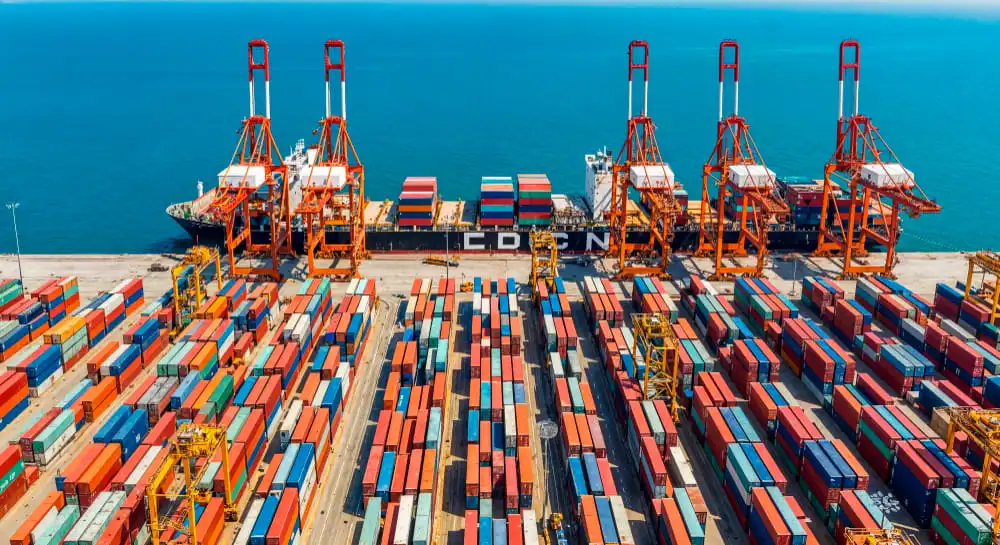
Home About Us Courses Job Opening Gallery Blog Contact Us X Enquire now Is Marine Automation a Good Career Choice in 2026? The maritime industry is undergoing a major technological transformation, and marine automation is becoming a crucial part of modern shipping and offshore operations. Ships today are no longer operated purely by manual control; instead, they rely heavily on advanced automation systems to manage engines, navigation, safety, and monitoring systems. Because of this growing reliance on technology, marine automation has emerged as one of the most promising career options in 2026 for students and technical professionals. Growing Demand in the Maritime Industry Global trade heavily depends on shipping. More than 80% of international trade is transported by sea, which means ships play a vital role in the global economy. To ensure safety, efficiency, and reliability, modern vessels are equipped with advanced automation systems. These systems control engines, power distribution, alarms, sensors, and monitoring equipment. As shipping companies continue to modernize their fleets, the demand for skilled marine automation engineers and technicians continues to increase. Integration of Advanced Technologies Modern ships operate with highly sophisticated control systems. Technologies such as PLC-based automation, sensor monitoring, integrated bridge systems, and automated engine control systems are now standard in many vessels. Marine automation professionals are responsible for installing, maintaining, and troubleshooting these systems. With the advancement of smart ships and digital shipping technologies, automation specialists will play an even more important role in the maritime sector. Excellent Global Career Opportunities One of the biggest advantages of choosing marine automation as a career is the opportunity to work globally. Shipping is an international industry, and automation professionals are needed in ports, shipyards, offshore platforms, and marine service companies worldwide. Countries with strong maritime industries such as Singapore, Norway, Germany, the UAE, and the Netherlands frequently hire skilled marine automation professionals. Attractive Salary Packages Marine automation professionals often receive competitive salary packages due to the specialized nature of their work. Companies value individuals who have practical knowledge of ship automation systems and control technologies. In addition to attractive salaries, professionals may also receive travel opportunities and the chance to work with advanced maritime technologies. Practical and Technical Skill Development Marine automation courses typically focus on hands-on training with real industrial equipment and ship automation systems. Students learn about PLC programming, marine control systems, instrumentation, sensors, and troubleshooting techniques. This practical experience helps graduates become industry-ready and increases their chances of securing jobs quickly after completing their training. Future of Smart Shipping The future of the maritime industry is moving towards smart ships, autonomous vessels, and digitally connected fleets. Automation systems will play a central role in making ships safer, more efficient, and environmentally friendly. Professionals who specialize in marine automation will be at the forefront of these innovations. In 2026, marine automation stands out as a strong and future-oriented career choice. With increasing demand in the global maritime industry, opportunities for international careers, attractive salaries, and continuous technological advancement, marine automation offers excellent prospects for students and professionals interested in the marine and automation sectors. For those looking to build a stable and rewarding technical career, marine automation can be a highly promising path. For further reading on similar topics, check out the article on: Why Automation Engineers Are in High Demand Worldwide Latest Post Why Automation Engineers Are in High Demand Worldwide Top Reasons to Learn Industrial Automation in 2026 Learning Marine Automation: Skills That Power Modern Ships Industrial Automation Solutions for Modern Manufacturing Industries Industrial Automation in Modern Industry We are a group of Experienced passionate professionals spent many years working in the marine, oil and gas, petrochemical, and energy sectors. Facebook-f Instagram Twitter Other Pages Home About Us Courses Job Opening Gallery Contact Us Quick Links Privacy Policy Term Of Service FAQ Contact Us VOYAGE INSTITUTE OF TECHNOLOGY PVT LTD Kadooli Tower, 3rd Floor West Nadakkavu Kozhikode-673011 +914957967008 info@voyageinstitute.com Copyright © 2023 Voyage Institute Of Technology Pvt Ltd, All rights reserved.
Why Automation Engineers Are in High Demand Worldwide
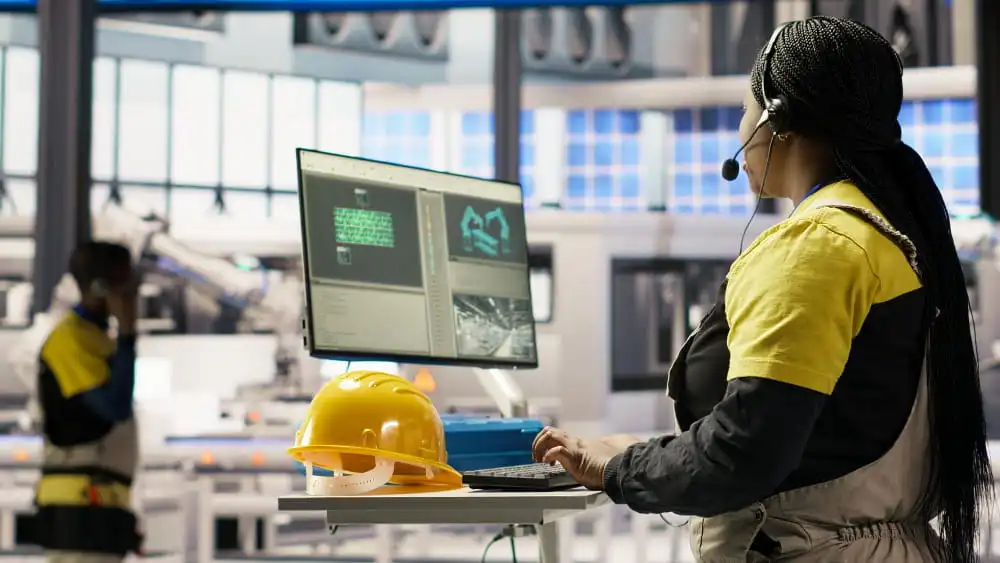
Home About Us Courses Job Opening Gallery Blog Contact Us X Enquire now Why Automation Engineers Are in High Demand Worldwide Automation engineers have become one of the most sought-after professionals in the modern industrial world. As industries continue to adopt advanced technologies to improve efficiency, reduce costs, and increase productivity, the demand for skilled automation engineers is growing rapidly across the globe. From manufacturing plants to energy sectors and logistics companies, automation plays a critical role in ensuring smooth and efficient operations. This increasing reliance on automation systems is one of the key reasons why automation engineers are in high demand worldwide. Rapid Growth of Industrial Automation Industries are constantly looking for ways to optimize production and minimize human error. Industrial automation technologies such as Programmable Logic Controllers (PLC), Supervisory Control and Data Acquisition (SCADA), Human Machine Interfaces (HMI), and robotics help automate complex processes. Automation engineers are responsible for designing, programming, installing, and maintaining these systems. As more companies invest in automation technologies, the need for qualified engineers who can handle these systems continues to rise. Expansion of Smart Factories The concept of smart factories is becoming a reality in many parts of the world. With the introduction of Industry 4.0, factories are becoming more intelligent and connected through technologies like the Internet of Things (IoT), artificial intelligence, and data analytics. Automation engineers play a key role in integrating these technologies into industrial systems. Their expertise helps create efficient, data-driven manufacturing environments that improve productivity and reduce downtime. Shortage of Skilled Professionals While the demand for automation engineers is increasing, the supply of skilled professionals remains limited. Many industries struggle to find qualified engineers who have practical experience in automation systems. This shortage creates excellent opportunities for individuals who pursue training and specialization in industrial automation. Skilled professionals can easily find jobs in various industries, including manufacturing, oil and gas, pharmaceuticals, automotive, and power generation. Global Industrial Expansion Industrial development is taking place in many countries around the world. Nations such as Germany, the United States, the UAE, Canada, and Singapore are heavily investing in advanced manufacturing technologies. Automation engineers are required to design and manage automated systems in these industries. Because automation is a universal technology used across different sectors, engineers with automation skills can work in multiple countries and industries. Increased Focus on Efficiency and Cost Reduction Businesses today are focused on maximizing efficiency while reducing operational costs. Automation helps companies achieve these goals by minimizing manual labor, reducing production errors, and improving overall productivity. Automation engineers are responsible for developing and maintaining these automated systems, making them essential for modern industries. Companies rely on these professionals to keep their operations running smoothly and efficiently. Career Stability and High Salary Potential Due to their specialized skills and the increasing demand for automation technology, automation engineers often enjoy strong career stability and competitive salaries. Many companies offer attractive compensation packages to professionals who can manage complex automation systems. As industries continue to automate their processes, the value of automation engineers will continue to grow. Automation engineers are playing a crucial role in shaping the future of modern industries. With the rapid adoption of smart manufacturing, Industry 4.0 technologies, and global industrial expansion, the demand for skilled automation professionals is higher than ever. For students and professionals looking for a future-proof career with global opportunities, becoming an automation engineer is one of the most promising paths in today’s technology-driven world. For further reading on similar topics, check out the article on: Top Reasons to Learn Industrial Automation in 2026 Latest Post Why Automation Engineers Are in High Demand Worldwide Top Reasons to Learn Industrial Automation in 2026 Learning Marine Automation: Skills That Power Modern Ships Industrial Automation Solutions for Modern Manufacturing Industries Industrial Automation in Modern Industry We are a group of Experienced passionate professionals spent many years working in the marine, oil and gas, petrochemical, and energy sectors. Facebook-f Instagram Twitter Other Pages Home About Us Courses Job Opening Gallery Contact Us Quick Links Privacy Policy Term Of Service FAQ Contact Us VOYAGE INSTITUTE OF TECHNOLOGY PVT LTD Kadooli Tower, 3rd Floor West Nadakkavu Kozhikode-673011 +914957967008 info@voyageinstitute.com Copyright © 2023 Voyage Institute Of Technology Pvt Ltd, All rights reserved.
Top Reasons to Learn Industrial Automation in 2026
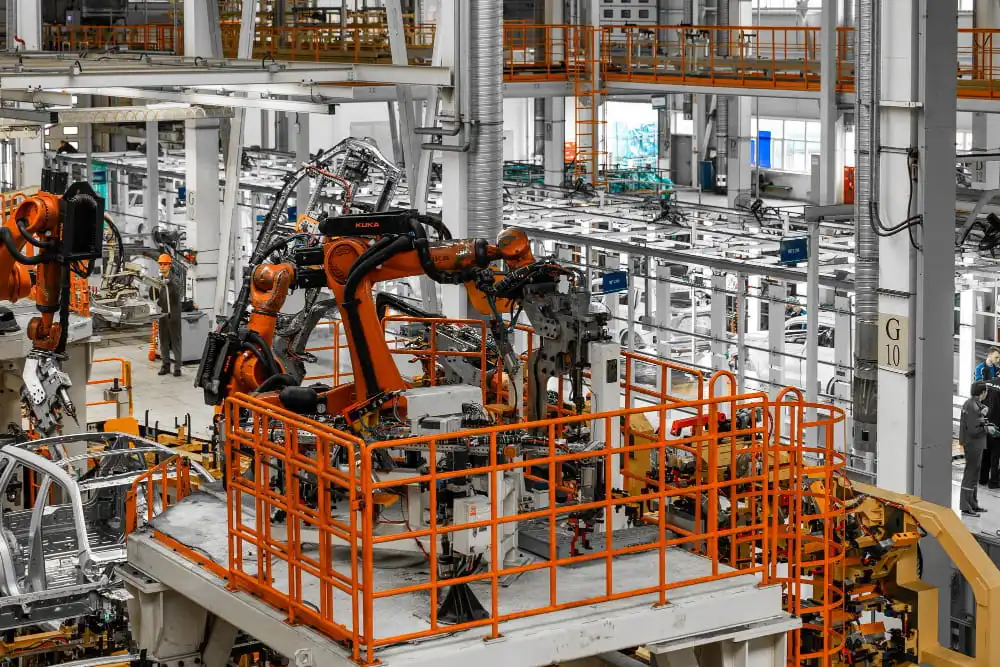
Home About Us Courses Job Opening Gallery Blog Contact Us X Enquire now Top Reasons to Learn Industrial Automation in 2026 Industrial automation is rapidly transforming industries across the globe. With the rise of smart factories, advanced robotics, and intelligent control systems, automation has become the backbone of modern manufacturing and industrial operations. As we move into 2026, learning industrial automation is no longer just an option for engineers and technicians; it is becoming a necessity for anyone looking to build a strong career in the industrial sector. Growing Demand for Skilled Professionals One of the biggest reasons to learn industrial automation in 2026 is the increasing demand for skilled professionals. Industries such as manufacturing, oil and gas, power plants, and logistics are heavily investing in automation technologies to improve efficiency and productivity. However, there is a shortage of trained automation engineers and technicians who can manage and maintain these systems. Learning automation technologies such as PLC, SCADA, HMI, and robotics can open up numerous job opportunities in both national and international markets. Industry 4.0 and Smart Manufacturing The world is moving towards Industry 4.0, where machines, systems, and data are interconnected. Smart manufacturing uses technologies like IoT, AI, and advanced sensors to automate production processes. Industrial automation plays a crucial role in this transformation. Professionals with automation knowledge are essential for designing, implementing, and maintaining these intelligent systems. Learning automation in 2026 means becoming part of the next generation of smart industries. High Salary and Career Growth Industrial automation professionals are highly valued in the job market. Since automation systems are critical for industrial operations, companies are willing to pay competitive salaries to skilled experts. Automation engineers, control engineers, and robotics specialists often earn higher salaries compared to many traditional engineering roles. Additionally, automation skills provide opportunities to work in multiple sectors, ensuring long-term career stability and growth. Global Career Opportunities Automation is used in industries worldwide. Countries such as Germany, the UAE, Canada, and Australia are constantly seeking skilled automation professionals. By learning industrial automation, you gain the opportunity to work in global industries and multinational companies. With the right training and certifications, professionals can explore international career opportunities and gain valuable global experience. Hands-On Technical Skills Industrial automation training focuses heavily on practical learning. Students and professionals gain hands-on experience with real industrial equipment such as PLC controllers, sensors, motors, and control panels. These practical skills make candidates more employable and industry-ready. Instead of purely theoretical knowledge, automation courses prepare individuals to solve real industrial challenges. Future-Proof Career Automation is not a temporary trend—it is the future of industry. As companies continue to adopt automation technologies, the demand for automation experts will continue to grow. Learning industrial automation ensures that your career remains relevant in a rapidly evolving technological landscape. In 2026, industrial automation stands as one of the most promising career paths in the technical field. With growing demand, strong salary potential, global opportunities, and the rise of Industry 4.0, learning industrial automation can provide a secure and rewarding future. For students, engineers, and technicians looking to build a successful career in modern industries, now is the perfect time to step into the world of industrial automation. For further reading on similar topics, check out article on: Advanced Industrial Automation Systems: Transforming Modern Manufacturing Latest Post Learning Marine Automation: Skills That Power Modern Ships Industrial Automation Solutions for Modern Manufacturing Industries Industrial Automation in Modern Industry Industrial Automation Applications in Today’s Smart Factories Advanced Industrial Automation Systems: Transforming Modern Manufacturing We are a group of Experienced passionate professionals spent many years working in the marine, oil and gas, petrochemical, and energy sectors. Facebook-f Instagram Twitter Other Pages Home About Us Courses Job Opening Gallery Contact Us Quick Links Privacy Policy Term Of Service FAQ Contact Us VOYAGE INSTITUTE OF TECHNOLOGY PVT LTD Kadooli Tower, 3rd Floor West Nadakkavu Kozhikode-673011 +914957967008 info@voyageinstitute.com Copyright © 2023 Voyage Institute Of Technology Pvt Ltd, All rights reserved.
Learning Marine Automation: Skills That Power Modern Ships
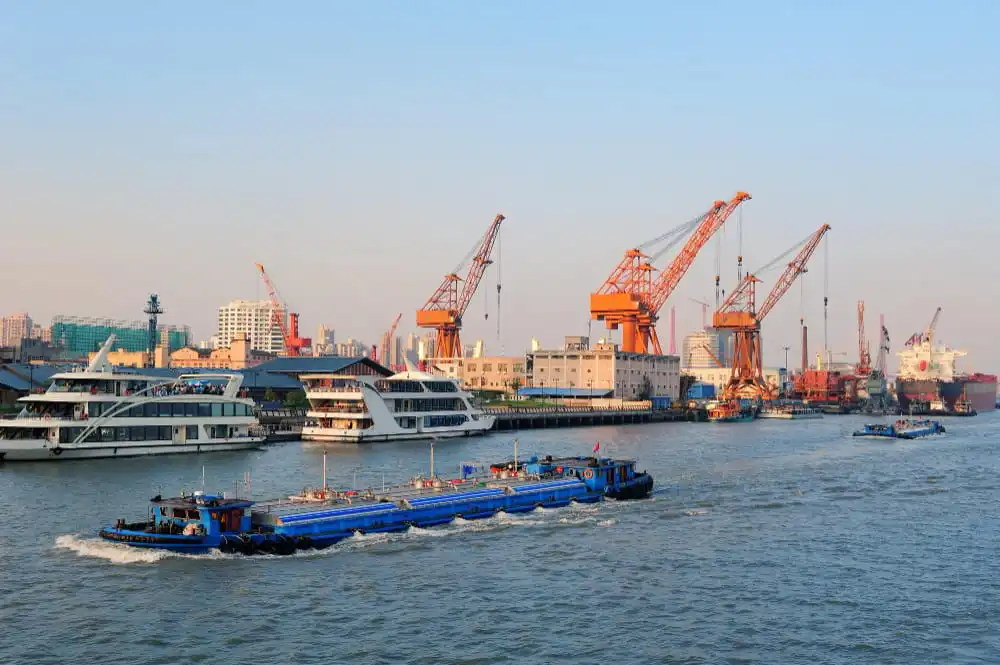
Home About Us Courses Job Opening Gallery Blog Contact Us X Enquire now Learning Marine Automation: Skills That Power Modern Ships Modern ships are no longer operated purely by manual control and mechanical systems. Today’s maritime industry depends heavily on automation to improve safety, efficiency, and reliability. Understanding the key skills in marine automation systems is essential for professionals who work with advanced ship technologies and modern vessel operations. These skills enable effective control, monitoring, and integration of automated shipboard systems. Understanding Marine Automation Systems on Ships Developing key skills in marine automation systems enables professionals to accurately interpret system data and respond effectively to operational challenges onboard. Marine automation systems are designed to monitor and control various ship operations from centralized or distributed control units. They rely on sensors, controllers, and communication networks to collect real-time data and respond accurately to changing conditions at sea. To work effectively with these systems, professionals must develop a strong foundation in both theoretical concepts and practical applications. This is where mastering the key skills in marine automation systems becomes crucial. Key Skills Required in Marine Automation Systems Basic Electrical and Electronic KnowledgeA clear understanding of electrical circuits, sensors, actuators, and electronic components is fundamental. Marine automation professionals must be able to interpret wiring diagrams and troubleshoot electrical faults onboard ships. PLC and Control Logic UnderstandingProgrammable Logic Controllers (PLCs) form the backbone of most marine automation systems. Knowing how control logic works, including inputs, outputs, and interlocks, is one of the most important skills in marine automation environments. Instrumentation and Sensor HandlingShips use various instruments to measure pressure, temperature, level, and flow. The ability to install, calibrate, and maintain these instruments is a core part of marine automation system operations. Monitoring and Alarm SystemsAutomation systems continuously monitor critical ship parameters and trigger alarms when abnormalities occur. Understanding alarm management and fault diagnosis is a key skill that supports ship safety and operational continuity. System Integration and Communication BasicsModern ships rely on integrated systems where multiple automation units communicate with each other. Familiarity with basic industrial communication concepts helps professionals understand how different systems interact onboard. Why These Skills Matter in Modern Ship Operations The maritime industry prioritizes reliability and safety. Automated systems reduce human error and enable faster response to operational issues. Professionals equipped with the key skills in marine automation systems are better prepared to handle complex shipboard technologies and support efficient vessel performance. These skills are not limited to one ship type; they are applicable across cargo vessels, tankers, offshore platforms, and passenger ships. As ships continue to evolve technologically, the demand for automation-skilled personnel continues to grow. Building Industry-Relevant Marine Automation Skills Developing marine automation skills requires a combination of learning and hands-on exposure. Practical experience with control panels, automation equipment, and real-world fault scenarios helps bridge the gap between theory and shipboard application. A structured learning approach focused on real marine systems ensures that learners gain confidence in handling automation tasks effectively and safely. Where Marine Automation Skills Are Applied Onboard The key skills in marine automation systems are applied across various shipboard operations. These skills support safe, efficient, and continuous vessel functioning. Engine Room Operations Used for remote monitoring of engines and machinery Helps control fuel systems and optimize performance Enables early fault detection through automated alerts Bridge and Navigation Support Supports propulsion and steering control systems Helps interpret data from integrated monitoring displays Assists operators in making data-driven navigational decisions Cargo Handling and Ballast Systems Controls loading and unloading processes Maintains vessel stability through automated ballast control Reduces human error during complex cargo operations Power Management Systems Manages generators and electrical load distribution Ensures uninterrupted power supply onboard Prevents overloads and system failures Safety and Auxiliary Systems Monitors fire detection, bilge, and alarm systems Supports compliance with maritime safety regulations Enables quick response to abnormal operating conditions Conclusion Marine automation plays a vital role in modern maritime operations, and mastering the key skills in marine automation systems is essential for anyone aspiring to work in this field. From electrical fundamentals to control systems and monitoring technologies, these skills form the foundation of efficient and safe ship operations. As the maritime industry advances, professionals with strong expertise in automation will continue to be in high demand. For further reading on similar topics, check out article on: Advanced Industrial Automation Systems: Transforming Modern Manufacturing Latest Post Advanced Industrial Automation Systems: Transforming Modern Manufacturing When Machines Think: The Rise of Smart Industrial Automation The Next Frontier in Marine Automation: Autonomous Vessels Industrial Automation and Control Systems: Driving the Future of Industry Global Autonomous Ships Market Expected to Grow 30% by 2028 We are a group of Experienced passionate professionals spent many years working in the marine, oil and gas, petrochemical, and energy sectors. Facebook-f Instagram Twitter Other Pages Home About Us Courses Job Opening Gallery Contact Us Quick Links Privacy Policy Term Of Service FAQ Contact Us VOYAGE INSTITUTE OF TECHNOLOGY PVT LTD Kadooli Tower, 3rd Floor West Nadakkavu Kozhikode-673011 +914957967008 info@voyageinstitute.com Copyright © 2023 Voyage Institute Of Technology Pvt Ltd, All rights reserved.
Global Autonomous Ships Market Expected to Grow 30% by 2028

Home About Us Courses Job Opening Gallery Blog Contact Us X Enquire now Global Autonomous Ships Market Expected to Grow 30% by 2028 The global autonomous ships market is projected to grow by 30% by 2028, transforming the future of maritime trade and naval operations. Also known as unmanned surface vessels (USVs), these ships operate with minimal or no human intervention, relying on advanced AI, sensors, and smart navigation systems. The Current State of Global Autonomous Ships Market Global Autonomous ships, also known as unmanned surface vessels (USVs), represent a significant leap in maritime technology. Several companies and countries have already initiated tests and pilot projects to bring fully autonomous ships to the global shipping lanes. At the forefront of this development are countries like Norway and Finland, which are testing the first commercial autonomous ships in controlled environments. The Yara Birkeland, a fully electric and autonomous container vessel, became a notable milestone in 2021 when it completed its maiden voyage in Norway. Meanwhile, companies like Rolls-Royce are also working on autonomous shipping solutions, collaborating with maritime regulatory bodies to ensure these ships meet international standards for safety and operations. Currently, most autonomous ships operate in a semi-autonomous mode, requiring human oversight from shore-based control centers. This transition phase allows the maritime industry to understand the potential and limitations of autonomous ships while adapting to necessary regulatory changes. Several market trackers now expect double-digit growth through the decade, with many forecasting a substantial step-up by 2028 as international rules mature and technology scales. For students and professionals in Kerala, this isn’t just global news—it’s a career wave you can ride with the right training at Voyage Institute. Market Outlook to 2028: Fast Growth, Different Pace by Segment While estimates vary by analyst and scope (defense vs. commercial, boats vs. ships), the direction is clear: up and to the right. Grand View Research projects the autonomous ships market to grow from USD 6.04B (2023) to USD 13.41B by 2030 (≈13.5% CAGR). Fortune Business Insights sees USD 6.11B (2024) to USD 12.25B by 2032 (~9.1% CAGR), with Asia-Pacific leading share. Fortune Business Insights Mordor Intelligence forecasts ~10% CAGR 2025–2030, from USD 6.96B (2025) to USD 11.25B (2030). Mordor Intelligence Some headlines suggest “~30% growth by 2028”—typically referring to cumulative growth for specific segments (e.g., fully autonomous craft, coastal/harbor operations) or based on narrower baselines. The fully autonomous sub-segment is often cited as the fastest, with earlier reports projecting ~27–28% CAGR—but from a smaller base. In short: overall market ≈ high single to low double-digit CAGR; leading niches can approach ~30% growth by 2028. Conclusion The global autonomous ships market is on a strong growth trajectory into 2028, with leading niches likely posting ~30% cumulative growth or higher by then—and broader market CAGRs in the high-single to low-double digits, depending on scope. With IMO’s MASS Code work intensifying in 2026–2028 and environmental rules tightening in the same window, we’ll see more ports, short-sea routes, and offshore tasks adopt autonomy. For further reading on similar topics, check out article on : How Maritime Autonomous Surface Ships Are Changing the Future of Shipping Latest Post Global Autonomous Ships Market Expected to Grow 30% by 2028 Autonomous Ships (Unmanned Vessels): How Maritime Autonomous Surface Ships Are Changing the Future of Shipping Smart Engine Room Technology: Boost Efficiency withMarine Automation Master SCADA Systems with Hands-On Training Automation Job Opportunities in the Marine Industry We are a group of Experienced passionate professionals spent many years working in the marine, oil and gas, petrochemical, and energy sectors. Facebook-f Instagram Twitter Other Pages Home About Us Courses Job Opening Gallery Contact Us Quick Links Privacy Policy Term Of Service FAQ Contact Us VOYAGE INSTITUTE OF TECHNOLOGY PVT LTD Kadooli Tower, 3rd Floor West Nadakkavu Kozhikode-673011 +914957967008 info@voyageinstitute.com Copyright © 2023 Voyage Institute Of Technology Pvt Ltd, All rights reserved.
Autonomous Ships (Unmanned Vessels): How Maritime Autonomous Surface Ships Are Changing the Future of Shipping

Home About Us Courses Job Opening Gallery Blog Contact Us X Enquire now Autonomous Ships (Unmanned Vessels) How Maritime Autonomous Surface Ships Are Changing the Future of Shipping The way we move goods across the ocean is changing. Thanks to new technology, autonomous ships (unmanned vessels) are becoming a reality. One of the most promising innovations in this field is the maritime autonomous surface ship – a vessel that can operate with little or no human crew onboard. What is a Maritime Autonomous Surface Ship? A maritime autonomous surface ship is a specially designed vessel that can navigate, steer, and even make decisions using smart technology. These ships use advanced sensors, GPS, radar, and artificial intelligence to safely travel across the sea. Some are controlled remotely from land, while others can operate entirely on their own. 1.Why Are They Important? The maritime autonomous surface ship is not just a cool piece of technology – it’s a big step forward for the shipping industry. Here’s why: 1.Safer for people Fewer crew members on board means less risk in dangerous conditions. 2. Lower operating costs Companies save money on crew expenses. 3. Better efficiency Ships can choose the best routes and use less fuel. 4.Greener shipping Many are designed to reduce pollution and carbon emissions. 2.Real Examples in Action Countries like Norway and Japan are leading the way. The Yara Birkeland, for example, is a fully electric maritime autonomous surface ship that aims to make shipping cleaner and safer. The U.S. Navy’s Sea Hunter is another example, built to travel long distances without a crew. In addition, China has been testing autonomous cargo ships for coastal trade, while European ports are experimenting with automated docking systems to complement MASS operations. These initiatives highlight how different regions are investing in the same vision of smarter, safer seas. 3.Challenges to Overcome Even though the future looks bright, the maritime autonomous surface ship still faces challenges: Creating clear international rules for autonomous navigation. Protecting ships from cyber threats. Building trust among shipping companies, regulators, and the public. Ensuring safe interaction with traditional crewed vessels that will still share the seas for decades to come. Addressing liability and insurance questions — for example, who is responsible if an unmanned vessel is involved in an accident. 4.How Education Helps To make these ships work, we need skilled professionals who understand marine automation. Institutes like Voyage Institute of Technology train students in the systems and safety measures that power the maritime autonomous surface ship. With the right training, these vessels can become a safe and trusted part of global trade. Conclusion In conclusion, autonomous ships (unmanned vessels) and the maritime autonomous surface ship represent a new era for shipping – safer, smarter, and more sustainable. The technology is here, and with proper training and rules, it could soon become the standard way we move goods across the oceans. What once sounded futuristic is now becoming part of reality. With the combined push of innovation, regulation, and education, Maritime Autonomous Surface Ships may well redefine global shipping for generations to come. For further reading on similar topics, check out article on : Master SCADA Systems with Hands-On Training Latest Post Autonomous Ships (Unmanned Vessels): How Maritime Autonomous Surface Ships Are Changing the Future of Shipping Smart Engine Room Technology: Boost Efficiency withMarine Automation Master SCADA Systems with Hands-On Training Automation Job Opportunities in the Marine Industry Pneumatics and Hydraulics in Industry We are a group of Experienced passionate professionals spent many years working in the marine, oil and gas, petrochemical, and energy sectors. Facebook-f Instagram Twitter Other Pages Home About Us Courses Job Opening Gallery Contact Us Quick Links Privacy Policy Term Of Service FAQ Contact Us VOYAGE INSTITUTE OF TECHNOLOGY PVT LTD Kadooli Tower, 3rd Floor West Nadakkavu Kozhikode-673011 +914957967008 info@voyageinstitute.com Copyright © 2023 Voyage Institute Of Technology Pvt Ltd, All rights reserved.
Automation Job Opportunities in the Marine Industry

Home About Us Courses Job Opening Gallery Blog Contact Us X Enquire now Marine Automation Automation Job Opportunities in the Marine Industry The marine industry is a large and growing sector, and automation is playing an increasingly important role. As ships become more complex, there is a growing demand for automation engineers who can design, install, and maintain the systems that keep them running smoothly. PLCs (Programmable Logic Controllers) and SCADA (Supervisory Control and Data Acquisition) systems are two of the most important technologies used in marine automation. PLCs are used to control the operation of machinery and equipment, while SCADA systems are used to monitor and collect data from these systems. Instrumentation is also an important part of marine automation, as it is used to measure and control physical parameters such as temperature, pressure, and flow rate. If you are interested in a career in marine automation, there are a few things you should know. First, you will need to have a strong background in electrical engineering, mechanical engineering, or instrumentation. You will also need to be familiar with PLCs, SCADA systems, and instrumentation. In addition to technical skills, marine automation engineers also need to have strong problem-solving and analytical skills. They need to be able to troubleshoot problems quickly and efficiently, and they need to be able to think critically about how to improve the performance of automation systems. If you are interested in a career in marine automation, there are a number of resources available to help you get started. There are a number of universities that offer programs in marine automation, and there are also a number of professional organizations that can provide you with networking opportunities and continuing education. The marine industry is a great place to work for those who are interested in automation. There are a number of job opportunities available, and the pay is typically very good. If you are looking for a challenging and rewarding career in automation, the marine industry is a great place to start. Here are some of the benefits of working in automation in the marine industry: 1. High salaries 2. Good job security 3. Opportunities for travel 4. Challenging and rewarding work If you are interested in a career in automation in the marine industry, here are some steps you can take to get started: 1. Get a degree in electrical engineering, mechanical engineering, or instrumentation. 2. Gain experience with PLCs, SCADA systems, and instrumentation. 3. Network with other professionals in the industry. 4. Attending industry conferences and workshops. With hard work and dedication, you can build a successful career in automation in the marine industry. Latest Post Automation Job Opportunities in the Marine Industry Pneumatics and Hydraulics in Industry The Future of Industrial Automation Pneumatics and Hydraulics in the Maritime Industry Marine Automation: Enhancing Efficiency and Safety at Sea We are a group of Experienced passionate professionals spent many years working in the marine, oil and gas, petrochemical, and energy sectors. Facebook-f Instagram Twitter Other Pages Home About Us Courses Job Opening Gallery Contact Us Quick Links Privacy Policy Term Of Service FAQ Contact Us VOYAGE INSTITUTE OF TECHNOLOGY PVT LTD Kadooli Tower, 3rd Floor West Nadakkavu Kozhikode-673011 +914957967008 info@voyageinstitute.com Copyright © 2023 Voyage Institute Of Technology Pvt Ltd, All rights reserved.