Is Industrial Automation a Good Career Choice in 2026?
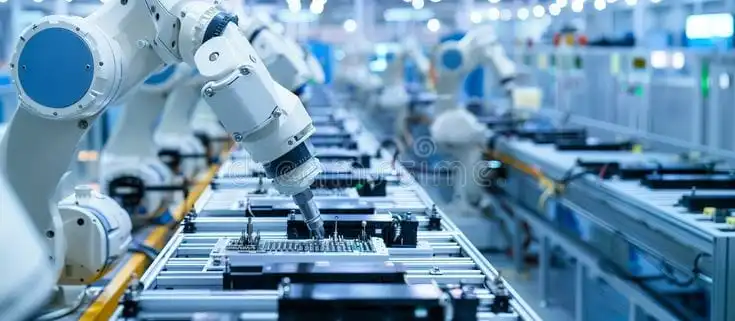
Home About Us Courses Job Opening Gallery Blog Contact Us X Enquire now Is Industrial Automation a Good Career Choice in 2026? Industrial automation has become an important part of modern manufacturing, production, and process industries. As companies increasingly adopt smart technologies to improve productivity, efficiency, safety, and product quality, the demand for professionals with industrial automation skills continues to grow. But is industrial automation a good career choice in 2026 The answer is yes. Industrial automation offers a wide range of career opportunities for engineering graduates, diploma holders, and professionals interested in electrical systems, electronics, instrumentation, control systems, robotics, and industrial technology.In this guide, we will explore the career scope of industrial automation, the skills you need, job opportunities, industry trends, and how you can start a career in this growing field. What Is Industrial Automation? Industrial automation refers to the use of control systems, software, machines, sensors, and other technologies to operate industrial processes with minimal manual intervention.Automation is widely used in manufacturing plants, power plants, oil and gas facilities, pharmaceutical companies, food processing industries, automotive factories, and many other sectors.Some of the important technologies used in industrial automation include: PLC (Programmable Logic Controller) SCADA (Supervisory Control and Data Acquisition) HMI (Human-Machine Interface) DCS (Distributed Control System) VFD (Variable Frequency Drive) Industrial instrumentation Robotics Industrial networking Industrial IoT (IIoT)Learning these technologies can help students and professionals develop the technical knowledge required for modern industrial environments. Why Is Industrial Automation Important in 2026? Industries are constantly looking for ways to increase productivity while reducing downtime, operational costs, errors, and safety risks.Industrial automation helps companies achieve these goals by allowing machines and control systems to perform repetitive and complex tasks with greater accuracy and consistency.The growth of Industry 4.0 is also changing the way factories operate. Modern manufacturing environments increasingly combine automation systems with data, connectivity, sensors, robotics, cloud technologies, and artificial intelligence.This transformation is creating new opportunities for engineers and technicians who understand both traditional automation systems and modern industrial technologies. Is Industrial Automation a Good Career in 2026? Yes, industrial automation can be a promising career choice in 2026, particularly for candidates who develop practical technical skills.The field offers opportunities across several industries, including: Manufacturing Automotive Pharmaceuticals Oil and gas Power and energy Food and beverage Chemical industries Water and wastewater Packaging Process industries Logistics andwarehousingAs automation becomes more important in these industries, companies require professionals who can install, program, operate, troubleshoot, maintain, and improve automated systems.However, completing an industrial automation course or obtaining a certificate alone does not guarantee employment. Employers typically value practical knowledge, problem-solving ability, technical skills, and industry exposure. What Skills Are Required for an Automation Engineer? If you are planning to build a career in industrial automation, developing practical skills should be one of your main priorities. 1. PLC Programming PLC programming is one of the fundamental skills required in industrial automation.A PLC controls machines and industrial processes based on programmed instructions. Automation professionals should understand PLC architecture, input and output systems, ladder logic, timers, counters, interlocks, and troubleshooting. 2. SCADA SCADA systems are used to monitor and control industrial processes.Learning SCADA can help you understand real-time monitoring, alarms, trends, data visualization, and communication between industrial systems. 3. HMI Human-Machine Interface systems allow operators to interact with machines and industrial equipment.Automation professionals should understand how to create basic HMI screens, configure tags, display alarms, and connect HMI systems with PLCs. 4. VFD and Motor Control Variable Frequency Drives are commonly used to control the speed and operation of motors.Understanding VFDs, motor control, and basic electrical systems can be highly valuable for automation engineers working in manufacturing and industrial environments. 5. Industrial Instrumentation Instrumentation plays an important role in measuring and controlling industrial processes.Knowledge of sensors, transmitters, measurement systems, control loops, and industrial instruments can help professionals work across different process industries. 6. Industrial Communication Modern automation systems depend on communication between PLCs, HMIs, SCADA systems, drives, sensors, and other industrial devices.Understanding industrial communication and networking can therefore give automation professionals an advantage in the workplace. What Are the Career Opportunities in Industrial Automation? Industrial automation provides several career paths depending on your educational background, technical skills, and experience.Some common job roles include: Automation Engineer PLC Programmer SCADA Engineer Control Engineer Instrumentation Engineer Automation Technician Commissioning Engineer Maintenance Engineer Electrical Automation Engineer System Integration Engineer Robotics EngineerFresh graduates may begin their careers in trainee or junior-level positions and gradually move into specialized technical, project management, system integration, or engineering roles as they gain experience. Is Industrial Automation Suitable for Freshers? Industrial automation can be a good career option for freshers, especially candidates with educational backgrounds in Electrical Engineering, Electronics Engineering, Instrumentation, Mechatronics, Automation, or related fields. However, academic knowledge alone may not be enough. Practical exposure can make a significant difference when applying for entry-level automation positions. For example, a candidate who has practical experience with PLC programming, HMI configuration, SCADA systems, motor control, and automation projects can demonstrate skills beyond classroom theory. This is why hands-on training and project-based learning can be valuable for students preparing for automation careers. What Is the Role of Industry 4.0 in Automation? Industry 4.0 is transforming traditional manufacturing into more connected and intelligent production environments.Modern factories are increasingly using: Industrial IoT Robotics Artificial intelligence Machine learning Cloud technologies Industrial sensors Data analytics Predictive maintenance Smart control systems As these technologies become more integrated with industrial automation, future automation professionals will need to continuously upgrade their skills.The ideal skill set is no longer limited to PLC programming alone.A modern automation professional can benefit from understanding:PLC + SCADA + HMI + Instrumentation + Networking + IIoT + Robotics + Data Will Artificial Intelligence Replace Automation Engineers? Artificial intelligence is changing many aspects of industrial operations, but it is unlikely to eliminate the need for skilled automation professionals. Instead, AI is expected to become another tool used by engineers and industrial organizations. AI can help with areas such as predictive maintenance, process optimization, data analysis, quality monitoring, and anomaly
Industrial Automation Solutions for Modern Manufacturing Industries
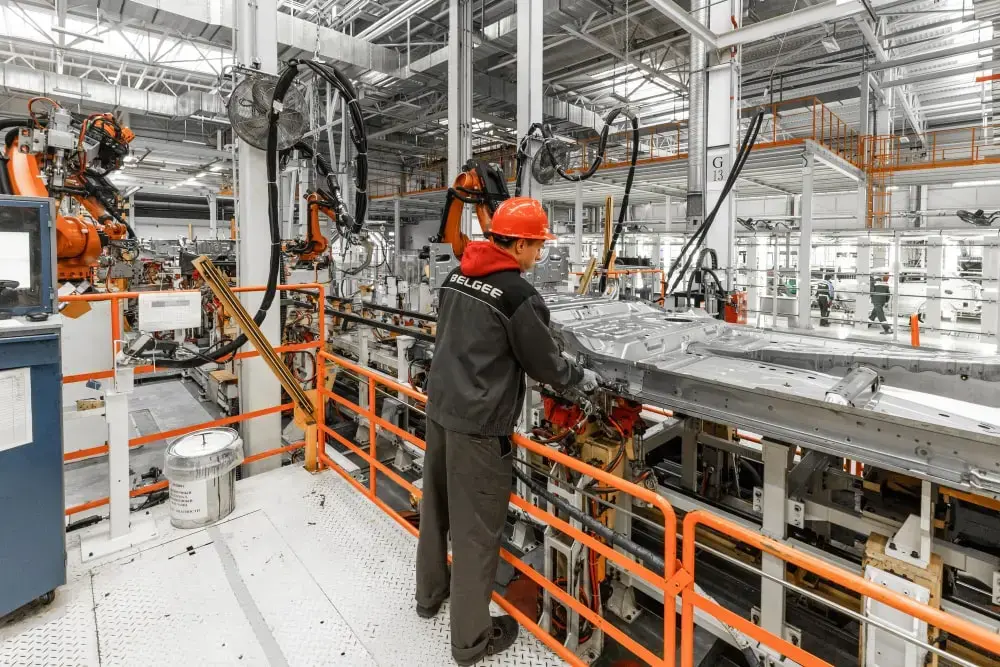
Home About Us Courses Job Opening Gallery Blog Contact Us X Enquire now Industrial Automation Solutions for Modern Manufacturing Industries Industrial automation solutions are transforming modern manufacturing by enabling faster, smarter, and more efficient production processes. By integrating intelligent machines, real-time monitoring, and data-driven control systems, manufacturers can improve productivity, quality, and operational reliability in an increasingly competitive environment. What Are Industrial Automation Solutions? Industrial automation solutions refer to the use of automated control systems, machinery, and digital technologies to operate manufacturing processes with minimal human intervention. These solutions replace repetitive, error-prone manual tasks with precise and programmable systems. Industrial automation is commonly applied in: Manufacturing plants Process industries Packaging and material handling Assembly and quality inspection The goal is consistent production, reduced operational cost, and improved product quality. Key Components of Industrial Automation Solutions 1. Programmable Logic Controllers (PLCs) PLCs are the backbone of industrial automation. They control machines and processes by executing programmed logic based on input signals from sensors. 2. Human Machine Interface (HMI) HMI systems allow operators to monitor, control, and visualize industrial processes through graphical displays, dashboards, and alarms. 3. Sensors and Actuators Sensors collect real-time data such as temperature, pressure, speed, and proximity. Actuators convert control signals into physical actions like movement or rotation. 4. Industrial Robots Robots perform tasks such as welding, assembly, painting, and pick-and-place operations with high precision and speed. 5. SCADA and DCS Systems SCADA (Supervisory Control and Data Acquisition): Used for monitoring and controlling large-scale industrial operations. DCS (Distributed Control System): Common in process industries for continuous control. Applications of Industrial Automation Solutions 1. Manufacturing and Assembly Lines Automation ensures faster production cycles, consistent quality, and reduced downtime in assembly operations. 2. Process Industries Industries such as oil & gas, chemicals, pharmaceuticals, and food processing rely on automation for continuous and precise process control. 3. Material Handling and Packaging Automated conveyors, robotic arms, and palletizers improve speed and accuracy in logistics and packaging. 4. Quality Control and Inspection Vision systems and automated inspection tools detect defects and maintain product standards. 5. Energy and Utilities Automation improves efficiency in power generation, water treatment, and energy management systems. Benefits of Industrial Automation Solutions 1. Increased Productivity Automation enables faster production with minimal interruptions, increasing overall output. 2. Improved Product Quality Consistent processes reduce errors, defects, and variations in manufacturing. 3. Cost Reduction Lower labor costs, reduced waste, and optimized resource utilization lead to long-term savings. 4. Enhanced Safety Automation minimizes human exposure to hazardous environments and repetitive tasks. 5. Scalability and Flexibility Modern automation systems can be upgraded or reprogrammed to meet changing production needs. Future Trends in Industrial Automation 1. Industry 4.0 and Smart Manufacturing The integration of IoT, cloud computing, and advanced analytics enables real-time monitoring, predictive maintenance, and smarter decision-making across manufacturing operations. 2. Artificial Intelligence and Machine Learning AI-driven automation improves process optimization, fault detection, quality prediction, and adaptive control systems in modern factories. 3. Collaborative Robots (Cobots) Cobots are designed to work safely alongside humans, enhancing productivity while maintaining flexibility and reducing workplace strain. 4. Digital Twins Digital twins create virtual replicas of physical systems, allowing manufacturers to simulate, analyze, and optimize processes before implementing changes. Conclusion Industrial automation solutions are essential for modern manufacturing industries aiming to stay competitive, efficient, and future-ready. By adopting automated systems, manufacturers can achieve higher productivity, consistent quality, improved safety, and sustainable growth. As technologies continue to evolve, industrial automation will play a central role in shaping the future of manufacturing. Businesses that invest in the right automation solutions today will be better positioned for long-term success. For further reading on similar topics, check out article on: Advanced Industrial Automation Systems: Transforming Modern Manufacturing Latest Post Advanced Industrial Automation Systems: Transforming Modern Manufacturing When Machines Think: The Rise of Smart Industrial Automation The Next Frontier in Marine Automation: Autonomous Vessels Industrial Automation and Control Systems: Driving the Future of Industry Global Autonomous Ships Market Expected to Grow 30% by 2028 We are a group of Experienced passionate professionals spent many years working in the marine, oil and gas, petrochemical, and energy sectors. Facebook-f Instagram Twitter Other Pages Home About Us Courses Job Opening Gallery Contact Us Quick Links Privacy Policy Term Of Service FAQ Contact Us VOYAGE INSTITUTE OF TECHNOLOGY PVT LTD Kadooli Tower, 3rd Floor West Nadakkavu Kozhikode-673011 +914957967008 info@voyageinstitute.com Copyright © 2023 Voyage Institute Of Technology Pvt Ltd, All rights reserved.
Industrial Automation in Modern Industry
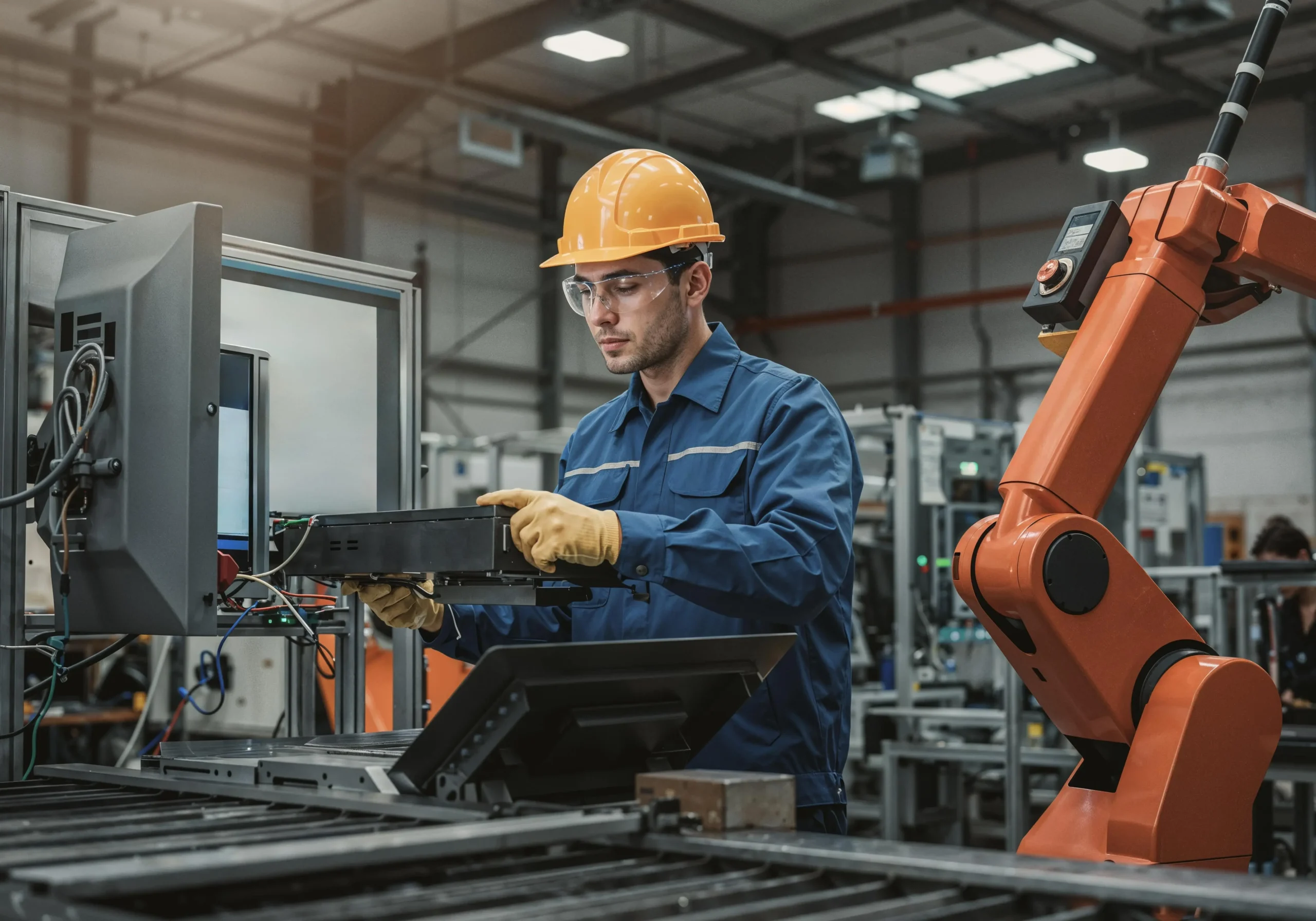
Home About Us Courses Job Opening Gallery Blog Contact Us X Enquire now Industrial Automation in Modern Industry Industrial automation has become a driving force behind the growth and efficiency of modern industries. As businesses face increasing competition, rising operational costs, and the demand for faster production, automation offers practical solutions that help industries stay ahead. Today, industrial automation is not just about machines—it is about creating smarter, safer, and more reliable industrial environments. Understanding Industrial Automation Industrial automation refers to the use of advanced control systems such as Programmable Logic Controllers (PLCs), Distributed Control Systems (DCS), SCADA, sensors, robotics, and software to automate industrial processes. These systems reduce the need for continuous human involvement while ensuring precision and consistency in operations. In modern industry, automation is used to control machinery, monitor processes, collect data, and optimize production in real time. This shift from manual operations to automated systems has significantly improved industrial performance across sectors. Importance of Industrial Automation in Modern Industry The importance of industrial automation in modern industry cannot be overstated. Companies are under constant pressure to deliver high-quality products at lower costs and within shorter timelines. Automation helps achieve these goals by improving efficiency and minimizing errors. Key benefits include: Higher productivity: Machines can operate continuously without fatigue Improved accuracy: Automated systems reduce human errors Enhanced safety: Dangerous and repetitive tasks are handled by machines Cost efficiency: Reduced labor costs and material wastage Consistent quality: Uniform production standards are maintained Automation enables industries to scale operations while maintaining control over quality and safety. Applications of Industrial Automation Industrial automation plays a crucial role in various industries: Manufacturing Industry Automation is widely used in assembly lines, robotic welding, packaging, and quality inspection. Smart factories rely on automation to increase output and maintain precision. Oil and Gas Industry Automation systems help monitor pressure, temperature, and flow, ensuring safe and efficient operations in hazardous environments. Power and Energy Sector Automated control systems manage turbines, generators, and electrical grids, improving reliability and reducing downtime. Marine and Shipping Industry Industrial automation supports engine control systems, navigation, and autonomous vessels, contributing to safer and more efficient maritime operations. Food and Pharmaceutical Industry Automation ensures hygiene, accuracy, and regulatory compliance during processing and packaging. Role of Industrial Automation in Industry 4.0 Industrial automation is a key foundation of Industry 4.0, which focuses on smart manufacturing and digital transformation. Technologies such as Artificial Intelligence (AI), Internet of Things (IoT), cloud computing, and data analytics are integrated with automation systems to create intelligent, connected industries. Smart factories can analyze production data in real time, predict maintenance needs, and optimize performance automatically. This level of automation helps industries reduce downtime and make data-driven decisions. Career Opportunities in Industrial Automation With the rapid adoption of automation technologies, the demand for skilled professionals is growing. Careers in industrial automation include: Automation Engineer PLC / SCADA Programmer Control Systems Engineer Instrumentation Engineer Maintenance and Service Engineer Industrial automation skills are highly valued across industries, offering long-term career stability and growth opportunities. Challenges and Future Outlook While industrial automation offers many advantages, challenges such as high initial investment, system complexity, and the need for skilled manpower still exist. However, continuous advancements in technology are making automation more affordable and accessible. The future of industrial automation in modern industry looks promising. As industries move toward sustainability and digitalization, automation will play a vital role in reducing energy consumption, improving efficiency, and supporting innovation. Conclusion Industrial automation in modern industry is no longer a luxury—it is a necessity. It helps industries improve productivity, enhance safety, reduce costs, and stay competitive in a rapidly evolving market. As technology continues to advance, industrial automation will remain a key pillar shaping the future of global industries. Latest Post Industrial Automation Applications in Today’s Smart Factories Advanced Industrial Automation Systems: Transforming Modern Manufacturing When Machines Think: The Rise of Smart Industrial Automation The Next Frontier in Marine Automation: Autonomous Vessels Industrial Automation and Control Systems: Driving the Future of Industry We are a group of Experienced passionate professionals spent many years working in the marine, oil and gas, petrochemical, and energy sectors. Facebook-f Instagram Twitter Other Pages Home About Us Courses Job Opening Gallery Contact Us Quick Links Privacy Policy Term Of Service FAQ Contact Us VOYAGE INSTITUTE OF TECHNOLOGY PVT LTD Kadooli Tower, 3rd Floor West Nadakkavu Kozhikode-673011 +914957967008 info@voyageinstitute.com Copyright © 2023 Voyage Institute Of Technology Pvt Ltd, All rights reserved.
Industrial Automation Applications in Today’s Smart Factories
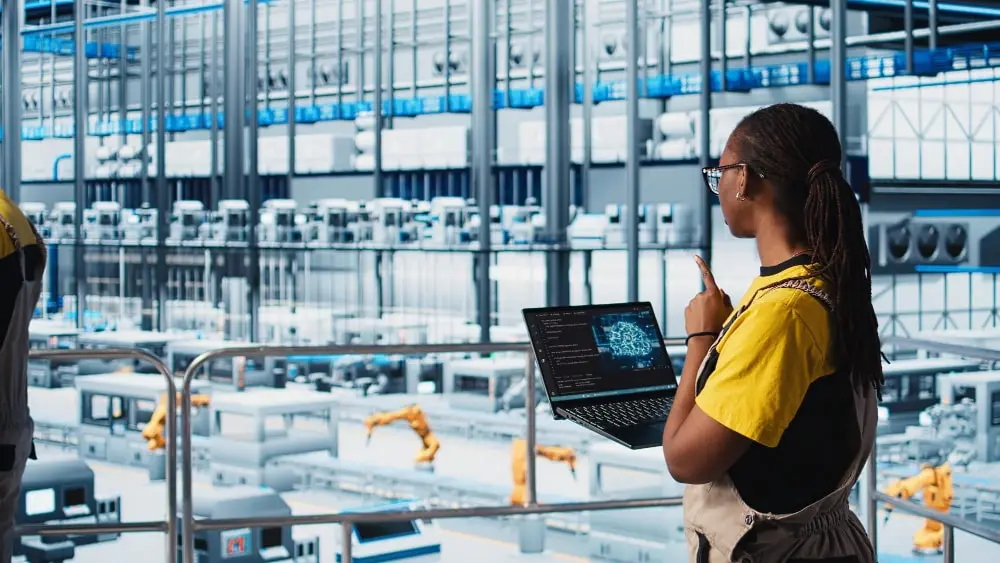
Home About Us Courses Job Opening Gallery Blog Contact Us X Enquire now Industrial Automation Applications in Today’s Smart Factories Industrial automation has become the backbone of modern manufacturing, enabling factories to work faster, smarter, and with higher accuracy. As industries shift toward digital transformation, the demand for advanced automation solutions continues to rise. Understanding the industrial automation applications used in today’s smart factories helps businesses stay competitive and future-ready. 1. Automated Production Lines Smart factories use fully automated production lines where machines handle repetitive tasks with precision. This reduces manual errors, increases speed, and ensures consistent quality throughout the manufacturing process. 2. Robotics for Material Handling and Assembly Industrial robots play a major role in tasks such as welding, painting, assembly, packaging, and palletizing, making robotics one of the key Industrial Automation Applications. Their precision and consistency make them ideal for improving efficiency. Robotics reduces physical strain on workers and allows industries to operate continuously with minimal downtime. Through coordinated robotic systems, factories achieve higher throughput and consistency in output. 3. PLC and SCADA-Based Control Systems Programmable Logic Controllers (PLCs) and SCADA systems allow factories to monitor, control, and automate industrial processes in real time. These systems ensure smooth operations, quick troubleshooting, and reduced downtime. 4. IoT-Enabled Smart Monitoring The Industrial Internet of Things (IIoT) connects machines, sensors, and systems to collect live data. This helps operators track performance, detect issues early, and optimize energy usage across the factory. 5. Predictive Maintenance Smart factories use sensors and analytics to identify equipment issues before they become major failures. Predictive maintenance reduces unexpected breakdowns, enhances machine lifespan, and improves production efficiency. 6. Automated Quality Control Systems Machine vision and AI-based inspection systems check product quality during each stage of production. These systems detect defects faster and more accurately than manual checks. 7. Warehouse Automation and AGVs Automated Guided Vehicles (AGVs), conveyors, and robotic storage systems streamline warehouse operations. They ensure fast material movement, reduce labor dependence, and minimize delays. 8. Safety Automation Systems Modern factories use automated safety systems such as emergency shutdowns, sensors, and interlocking devices. These systems protect workers and prevent hazardous situations. 9. Energy Management Automation Modern factories use automation to monitor and control energy usage, making it one of the essential Industrial Automation Applications. Smart meters and energy management software identify wastage, optimize consumption, and improve sustainability. This contributes to lower operating costs and supports eco-friendly manufacturing practices. 10. Data-Driven Decision Making with AI and Analytics Advanced analytics tools process large volumes of production data to provide actionable insights, making this one of the most impactful Industrial Automation Applications. Managers can identify bottlenecks, forecast demand, and optimize scheduling. Data-driven automation enables factories to make better, faster decisions that support continuous improvement. Conclusion The rise of industrial automation applications is reshaping how industries operate. By integrating robotics, smart sensors, AI systems, and advanced control technologies, smart factories achieve higher productivity, improved safety, and superior quality. As automation evolves, companies that adopt these technologies will gain a significant edge in the competitive manufacturing landscape. For further reading on similar topics, check out article on: Advanced Industrial Automation Systems: Transforming Modern Manufacturing Latest Post Advanced Industrial Automation Systems: Transforming Modern Manufacturing When Machines Think: The Rise of Smart Industrial Automation The Next Frontier in Marine Automation: Autonomous Vessels Industrial Automation and Control Systems: Driving the Future of Industry Global Autonomous Ships Market Expected to Grow 30% by 2028 We are a group of Experienced passionate professionals spent many years working in the marine, oil and gas, petrochemical, and energy sectors. Facebook-f Instagram Twitter Other Pages Home About Us Courses Job Opening Gallery Contact Us Quick Links Privacy Policy Term Of Service FAQ Contact Us VOYAGE INSTITUTE OF TECHNOLOGY PVT LTD Kadooli Tower, 3rd Floor West Nadakkavu Kozhikode-673011 +914957967008 info@voyageinstitute.com Copyright © 2023 Voyage Institute Of Technology Pvt Ltd, All rights reserved.
Advanced Industrial Automation Systems: Transforming Modern Manufacturing
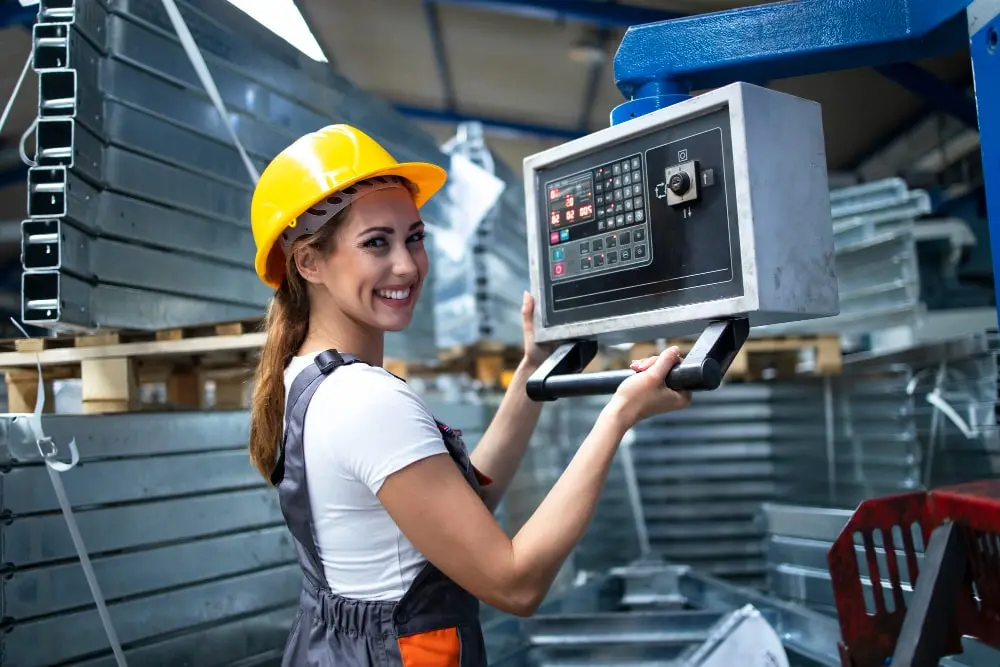
Home About Us Courses Job Opening Gallery Blog Contact Us X Enquire now Advanced Industrial Automation Systems: Transforming Modern Manufacturing The rapid evolution of technology has pushed industries to adopt smarter, faster, and more efficient production methods. At the heart of this transformation are advanced industrial automation systems, which are reshaping manufacturing with intelligent machines, real-time monitoring, and data-driven decision-making. What Are Advanced Industrial Automation Systems? Advanced industrial automation systems use sophisticated technologies like AI, machine learning, and the Internet of Things (IoT) to automate complex tasks, rather than just simple repetitive ones. They go beyond traditional automation by following: Smart control Early maintenance Data insights Accurate output Smooth machine These systems deliver superior accuracy, consistency, and operational visibility. Core Components of Advanced Industrial Automation Systems Programmable Logic Controllers (PLCs): The central unit that controls automated processes in real time. SCADA Platforms: Provide live monitoring, data logging, alarms, and control capabilities. Industrial Robotics: Robots handle tasks like welding, assembly, painting, and material handling with high precision. IoT & Smart Sensors: Enable continuous data flow for accurate decision-making. AI & Machine Learning: Analyze performance patterns, forecast failures, and optimize workflows. Benefits of Advanced Industrial Automation Systems 1. Improved Productivity Automation helps to reduces idle time and increases output respectively. 2. Enhanced Safety Workers are protected from high-risk, repetitive, or hazardous tasks. 3. Consistent Product Quality Advanced control systems prevent variability and human error. 4. Predictive Insights Sensors and AI detect abnormalities before breakdowns occur. 5. Cost Optimization Reduced waste, energy efficiency, and minimal downtime lower operational costs. How Advanced Industrial Automation Systems Improve Overall Plant Performance Faster Production Cycles: With automated controls and smarter machines, factories can complete tasks much faster. Processes that once took hours can now be done in minutes, helping companies meet tight deadlines. Better Use of Resources: Automation helps reduce unnecessary waste. Whether it’s raw material usage or energy consumption, advanced industrial automation systems ensure everything is used efficiently. Real-Time Monitoring for Quick Decisions: Operators can see what’s happening on the production floor at any moment. If a machine slows down or stops, the system alerts the team instantly, preventing long delays. Improved Worker Safety: By letting machines handle risky tasks, automation reduces workplace accidents. Workers can focus on supervision, quality checks, and skill-based tasks while machines handle the heavy work. Higher Product Consistency: One of the biggest advantages of advanced industrial automation systems is consistent quality. Whether it’s 100 units or 10,000 units, every product maintains the same standard. The Future of Advanced Industrial Automation Systems The future points toward smarter, more connected, and more autonomous systems.Some key trends include: AI-powered autonomous factories Digital twin technology for virtual testing Robotics-as-a-service (RaaS) Cloud-integrated automation Human–robot collaborative workspaces These innovations will redefine global industrial standards. Conclusion Advanced industrial automation systems are the driving force behind Industry 4.0. As industries demand higher speed, accuracy, and flexibility, these systems will continue to evolve, enabling smarter, greener, and more efficient manufacturing worldwide. For further reading on similar topics, check out article on: When Machines Think: The Rise of Smart Industrial Automation Latest Post Advanced Industrial Automation Systems: Transforming Modern Manufacturing When Machines Think: The Rise of Smart Industrial Automation The Next Frontier in Marine Automation: Autonomous Vessels Industrial Automation and Control Systems: Driving the Future of Industry Global Autonomous Ships Market Expected to Grow 30% by 2028 We are a group of Experienced passionate professionals spent many years working in the marine, oil and gas, petrochemical, and energy sectors. Facebook-f Instagram Twitter Other Pages Home About Us Courses Job Opening Gallery Contact Us Quick Links Privacy Policy Term Of Service FAQ Contact Us VOYAGE INSTITUTE OF TECHNOLOGY PVT LTD Kadooli Tower, 3rd Floor West Nadakkavu Kozhikode-673011 +914957967008 info@voyageinstitute.com Copyright © 2023 Voyage Institute Of Technology Pvt Ltd, All rights reserved.
When Machines Think: The Rise of Smart Industrial Automation
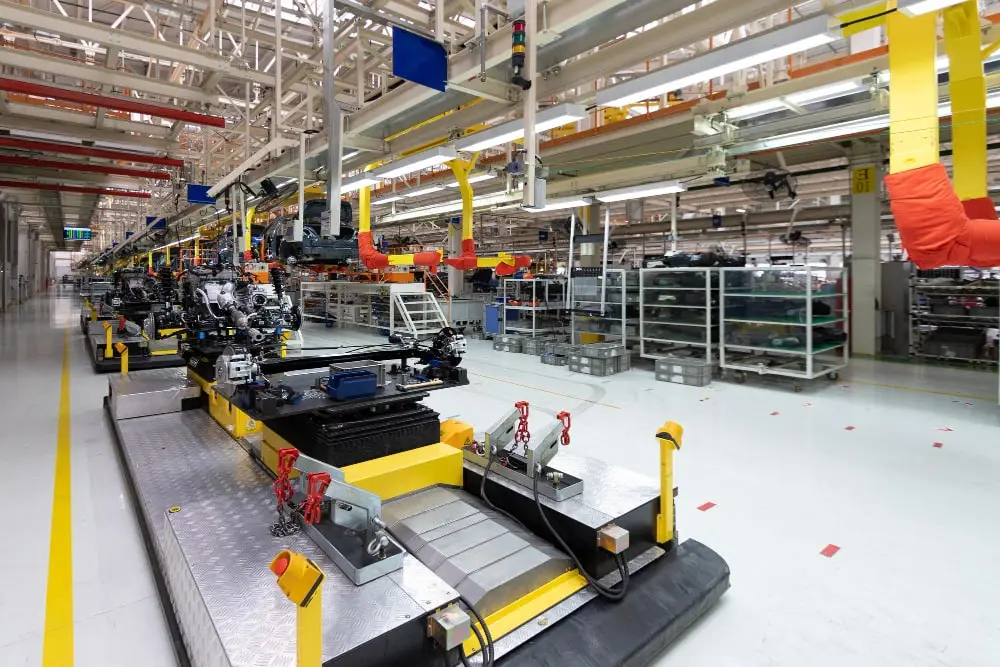
Home About Us Courses Job Opening Gallery Blog Contact Us X Enquire now When Machines Think: The Rise of Smart Industrial Automation In today’s fast-evolving industrial landscape, machines are no longer just tools — they’re intelligent partners shaped by the long history of industrial automation. What once required manual effort, constant monitoring, and repetitive human intervention is now performed with accuracy, adaptability, and even predictive thinking. From early mechanical systems to today’s AI-enabled technologies, the history of industrial automation has paved the way for a new era where machines don’t just work… they think. The history of industrial Automation from traditional to smart For decades, industries relied on mechanical systems and basic automation to streamline processes. These systems could perform predefined tasks but lacked flexibility. Any change meant reprogramming, recalibration, or manual oversight.Smart automation changed everything.The history of industrial automation defines by integrating advanced technologies like AI, machine learning, IoT, robotics, and real-time analytics, modern industrial systems can now learn from data, make decisions, and optimize themselves — all without constant human input. How Machines Are “Thinking” in Today’s Industries Learning From DataIndustrial sensors now collect enormous amounts of data from environments, machines, and human inputs. Algorithms analyze patterns to predict failures, optimize performance, and reduce downtime. Autonomous Decision-MakingRobots and automated systems can now adjust to changes such as product variations, material shortages, or workflow shifts — instantly and intelligently. Predicting the FutureInstead of reacting to issues, smart machines anticipate them. Predictive maintenance is saving companies millions by preventing breakdowns before they occur. Real-World Examples of Smart Automation in Action 1. Smart Factories Manufacturing plants equipped with connected systems run smoother, faster, and with fewer errors. 2. Collaborative Robots (Cobots) Cobots work safely alongside humans, adapting in real time to changes on the factory floor. 3. IoT-Driven Insights Sensors continuously monitor temperature, pressure, wear, vibration, and more — giving managers real-time visibility. Benefits That Industries Can’t Ignore Smart industrial automation delivers advantages that are impossible to overlook: Higher efficiency and productivity Reduced operational costs Improved product quality and consistency Enhanced worker safety Faster decision-making Scalability for future growth The Human & Machine Partnership Despite all the technological advancements, the goal of smart automation isn’t to replace humans — it’s to empower them, just as the history of industrial automation has always aimed to enhance human capability. With machines now handling repetitive, risky, and data-heavy tasks, human workers can shift their focus to innovation, complex problem-solving, and creativity. The most successful organizations will be those that blend the precision of intelligent machines with the ingenuity of people, continuing the evolution shaped throughout the history of industrial automation. The Future: Autonomous Industries We are moving towards fully connected, self-adjusting, and self-optimizing industrial ecosystems. From supply chain automation to AI-driven production lines, future industries will be faster, safer, and smarter than ever before.The age of intelligent machines has already begun — and it’s reshaping industries worldwide. Conclusion The rise of smart industrial automation marks a defining shift in how modern industries operate. As machines become more intelligent, connected, and autonomous, they are not just improving efficiency — they are transforming the very foundation of manufacturing. This evolution opens doors to faster production, safer workplaces, and unprecedented accuracy, enabling businesses to stay competitive in a rapidly changing world. For further reading on similar topics, check out article on: Industrial Automation and Control Systems: Driving the Future of Industry Latest Post The Next Frontier in Marine Automation: Autonomous Vessels Industrial Automation and Control Systems: Driving the Future of Industry Global Autonomous Ships Market Expected to Grow 30% by 2028 Real-Time Vessel Monitoring with Sensor Networks Autonomous Ships (Unmanned Vessels): How Maritime Autonomous Surface Ships Are Changing the Future of Shipping We are a group of Experienced passionate professionals spent many years working in the marine, oil and gas, petrochemical, and energy sectors. Facebook-f Instagram Twitter Other Pages Home About Us Courses Job Opening Gallery Contact Us Quick Links Privacy Policy Term Of Service FAQ Contact Us VOYAGE INSTITUTE OF TECHNOLOGY PVT LTD Kadooli Tower, 3rd Floor West Nadakkavu Kozhikode-673011 +914957967008 info@voyageinstitute.com Copyright © 2023 Voyage Institute Of Technology Pvt Ltd, All rights reserved.
The Next Frontier in Marine Automation: Autonomous Vessels
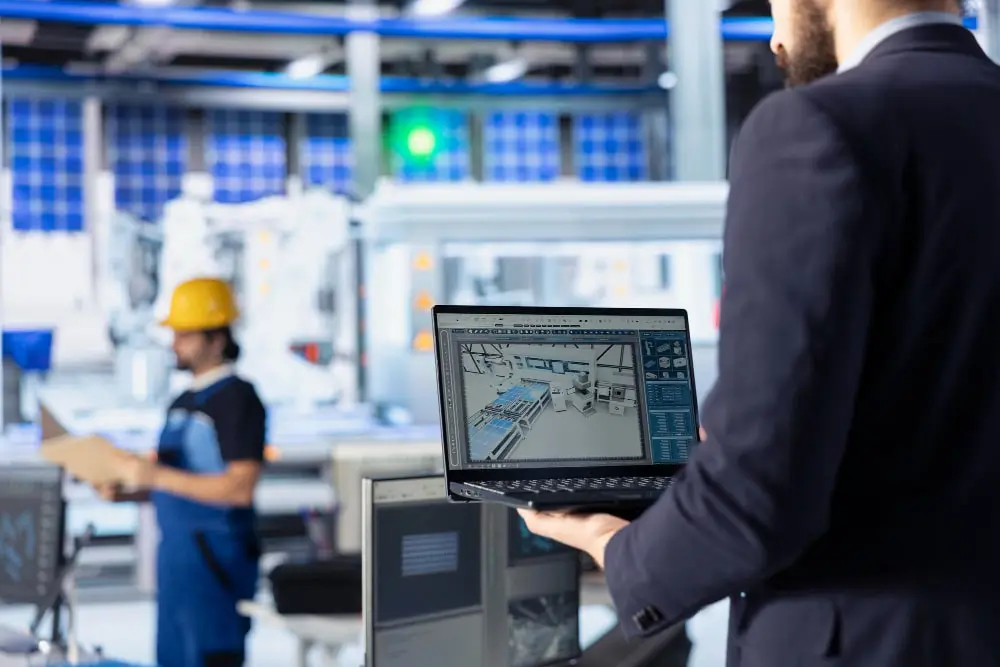
Home About Us Courses Job Opening Gallery Blog Contact Us X Enquire now The Next Frontier in Marine Automation: Autonomous Vessels The maritime industry is on the cusp of a revolution, with Autonomous Vessels in Marine Automation poised to transform the way goods are transported across the globe. As technology advances, the concept of autonomous shipping is shifting from science fiction to reality, promising improved safety, efficiency, and sustainability. By integrating Marine Automation with smart navigation systems and artificial intelligence, autonomous vessels are redefining how the shipping industry operates, paving the way for a safer, more efficient, and eco-friendly future on the seas 1. What are Autonomous Vessels? Autonomous vessels are ships that operate with minimal or no human intervention, relying on advanced technologies such as artificial intelligence (AI), machine learning (ML), and sensor systems to navigate and control the vessel. These vessels can range from remotely operated ships to fully autonomous vessels that sail without onboard crew, monitored remotely or governed by AI 2.Key Technologies Driving Autonomous Marine Vessels Artificial Intelligence (AI) and Machine Learning (ML): AI enables autonomous vessels to process vast amounts of data in real-time, making decisions about navigation, speed, and route optimization. ML algorithms allow these systems to adapt and improve over time, enhancing their efficiency and safety. Advanced Sensors and Communication Systems: Autonomous vessels are equipped with a variety of sensors, including radar, sonar, LiDAR, and cameras, to monitor their surroundings. These sensors provide data that is processed by onboard systems to detect and avoid obstacles, other vessels, and hazards. Satellite and IoT Connectivity: Autonomous vessels rely on satellite and IoT connectivity to receive real-time data and communicate with shore-based control centers. 3. Benefits of Autonomous Vessels . Improved Safety: Autonomous vessels can reduce the risk of human error, which is responsible for nearly 75% of maritime accidents. . Operational Efficiency: Autonomous vessels can optimise routes, reduce fuel consumption, and lower emissions, resulting in cost savings and reduced environmental impact. . Sustainability: Autonomous vessels can support the International Maritime Organisation’s (IMO) Net-Zero emission goals by reducing greenhouse gas emissions and promoting eco-friendly shipping practices. Challenges Ahead Regulation: Current maritime law is designed for crewed ships, and regulatory frameworks need to be updated to accommodate autonomous vessels. Cybersecurity: : Autonomous vessels face heightened digital threats, and robust cybersecurity measures are essential to ensure safe operation. Industry Confidence: : Shipowners, insurers, and regulators must trust the technology and collaborate to ensure successful integration. 4:Current Progress and Future Outlook Several countries, including Norway, Japan, and South Korea, are leading the charge in autonomous shipping, with pilot projects and commercial trials underway. The Yara Birkeland, a fully electric and autonomous container vessel, is a notable example of progress in this field. By 2030, we can expect to see growth in short-sea autonomous shipping and remote-controlled cargo vessels, with AI copilots supporting navigation, maintenance, and compliance. Conclusion Autonomous vessels represent the next frontier in marine automation, offering a transformative solution for the maritime industry. As technology advances and regulatory frameworks evolve, autonomous shipping is poised to become a reality, shaping the future of global trade and commerce. Autonomous Vessels in Marine Automation Latest Post The Next Frontier in Marine Automation: Autonomous Vessels Industrial Automation and Control Systems: Driving the Future of Industry Global Autonomous Ships Market Expected to Grow 30% by 2028 Real-Time Vessel Monitoring with Sensor Networks Autonomous Ships (Unmanned Vessels): How Maritime Autonomous Surface Ships Are Changing the Future of Shipping We are a group of Experienced passionate professionals spent many years working in the marine, oil and gas, petrochemical, and energy sectors. Facebook-f Instagram Twitter Other Pages Home About Us Courses Job Opening Gallery Contact Us Quick Links Privacy Policy Term Of Service FAQ Contact Us VOYAGE INSTITUTE OF TECHNOLOGY PVT LTD Kadooli Tower, 3rd Floor West Nadakkavu Kozhikode-673011 +914957967008 info@voyageinstitute.com Copyright © 2023 Voyage Institute Of Technology Pvt Ltd, All rights reserved.
Industrial Automation and Control Systems: Driving the Future of Industry
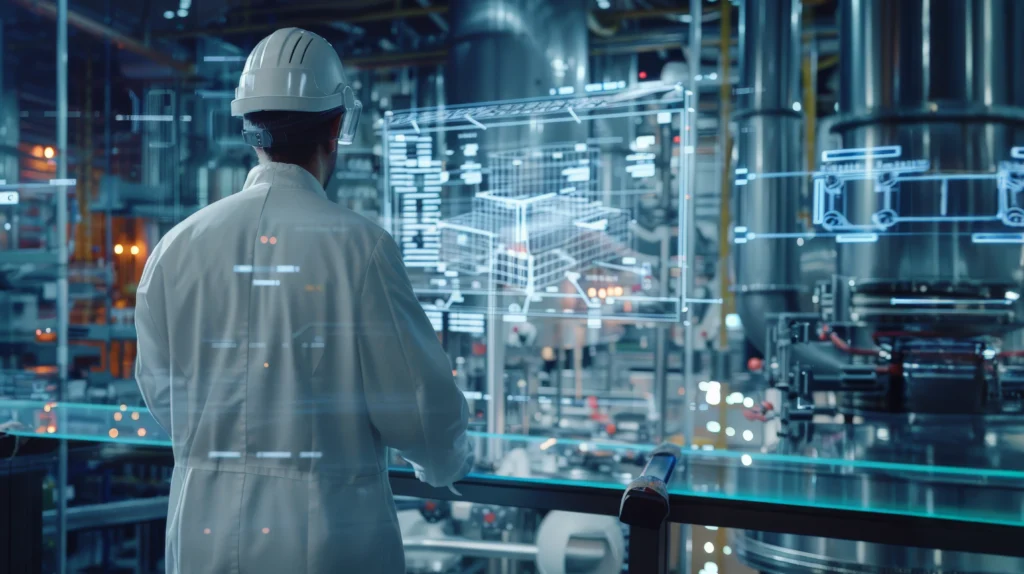
Home About Us Courses Job Opening Gallery Blog Contact Us X Enquire now Industrial Automation and Control Systems: Driving the Future of Industry In today’s rapidly evolving industrial landscape, automation and control systems have become the backbone of modern manufacturing, energy, and infrastructure operations. They ensure efficiency, reliability, and safety while reducing costs and enabling real-time decision-making. This blog dives deep into Industrial Automation and Control Systems (IACS)—what they are, how they work, their benefits, and the trends shaping their future. 1. What Are Industrial Automation and Control Systems? Industrial Automation and Control Systems (IACS) refer to the integrated hardware, software, and communication technologies used to monitor and control industrial processes. These systems automate repetitive tasks, regulate machinery, and provide real-time insights into operations. Broadly, IACS consists of: Programmable Logic Controllers (PLCs): Rugged digital computers used to control manufacturing processes. Distributed Control Systems (DCS): Systems that spread control across multiple nodes for large-scale, continuous processes (like oil refineries). Supervisory Control and Data Acquisition (SCADA): Systems that collect and analyze real-time data, often across geographically dispersed sites. Human-Machine Interfaces (HMIs): Interfaces that allow operators to monitor and control systems visually. Together, these components form the nervous system of modern industrial operations. 2. Importance of Industrial Automation Efficiency and Productivity Automated systems work 24/7 without fatigue, ensuring higher throughput and consistency compared to manual operations. Quality Control With precise control over processes, automation reduces human error and ensures uniform product quality. Safety By taking humans out of hazardous environments, automation minimizes workplace accidents. Cost Savings Reduced labor costs, minimized downtime, and optimized resource use result in long-term savings. Data-Driven Insights: Real-time monitoring enables predictive maintenance, reducing unexpected breakdowns. 3. Key Components of IACS 1. Sensors and Actuators Sensors measure physical parameters like temperature, pressure, or flow. Actuators convert signals into actions (e.g., opening valves, starting motors). 2. Controllers PLCs and DCS execute pre-programmed logic to control machinery and processes. 3. Communication Networks Industrial protocols such as Modbus, Profibus, and Ethernet/IP ensure seamless data exchange between devices. 4. Supervisory Systems SCADA and HMIs provide visualization, alarms, and centralized monitoring. Challenges in IACS While automation brings immense value, it also faces challenges: Cybersecurity Threats: As IACS becomes more connected, they are increasingly vulnerable to cyberattacks. High Initial Investment: Setting up automation systems requires significant capital. Skilled Workforce Shortage: Operating and maintaining advanced systems requires specialized skills. System Integration Complexity: Integrating legacy systems with modern technologies can be difficult. 4. Future Trends in Industrial Automation Industry 4.0 and Smart Factories Integration of IoT, AI, and machine learning to create self-optimizing, data-driven factories. Edge and Cloud Computing Real-time decision-making at the edge, with cloud storage and analytics for long-term insights. Collaborative Robots (Cobots) Robots designed to safely work alongside humans, enhancing flexibility in operations. Digital Twins Virtual replicas of physical systems that allow simulation, testing, and predictive analysis. Green Automation Focus on energy efficiency and sustainable manufacturing processes. Conclusion Industrial Automation and Control Systems are transforming industries by making operations smarter, safer, and more efficient. As the world moves toward Industry 4.0, IACS will play a pivotal role in shaping the future of manufacturing, energy, and infrastructure. Businesses that embrace these technologies today will be better positioned to thrive in the competitive, data-driven world of tomorrow. For further reading on similar topics, check out article on : How Maritime Autonomous Surface Ships Are Changing the Future of Shipping Latest Post Industrial Automation and Control Systems: Driving the Future of Industry Global Autonomous Ships Market Expected to Grow 30% by 2028 Real-Time Vessel Monitoring with Sensor Networks Autonomous Ships (Unmanned Vessels): How Maritime Autonomous Surface Ships Are Changing the Future of Shipping Smart Engine Room Technology: Boost Efficiency withMarine Automation We are a group of Experienced passionate professionals spent many years working in the marine, oil and gas, petrochemical, and energy sectors. Facebook-f Instagram Twitter Other Pages Home About Us Courses Job Opening Gallery Contact Us Quick Links Privacy Policy Term Of Service FAQ Contact Us VOYAGE INSTITUTE OF TECHNOLOGY PVT LTD Kadooli Tower, 3rd Floor West Nadakkavu Kozhikode-673011 +914957967008 info@voyageinstitute.com Copyright © 2023 Voyage Institute Of Technology Pvt Ltd, All rights reserved.
Pneumatics and Hydraulics in Industry

Home About Us Courses Job Opening Gallery Blog Contact Us X Enquire now Industrial Automation Pneumatics and Hydraulics in Industry Pneumatics and hydraulics are two important fluid power technologies that are used in a wide variety of industrial applications. They both use pressurized fluids to transmit power, but they have different strengths and weaknesses. Pneumatics Pneumatics uses compressed air to transmit power. It is a relatively inexpensive and clean technology, and it is often used in applications where safety is a concern. For example, pneumatics is often used in food and beverage processing plants, because it is a non-toxic and non-flammable fluid. Pneumatic systems are also relatively easy to install and maintain. However, they are not as powerful as hydraulic systems, and they are not as well-suited for applications where high forces are required. Hydraulics Hydraulics uses pressurized liquids to transmit power. It is a more powerful technology than pneumatics, and it is well-suited for applications where high forces are required. For example, hydraulics is often used in construction equipment, such as excavators and bulldozers. Hydraulic systems are also more precise than pneumatic systems, and they are better able to control the force of actuation. However, hydraulic systems are more expensive and more complex than pneumatic systems, and they require more maintenance. Which Technology is Right for You? The best choice of fluid power technology for a particular application will depend on the specific requirements of that application. If safety is a major concern, then pneumatics may be the best choice. If high forces are required, then hydraulics may be the best choice. In some cases, both pneumatics and hydraulics may be suitable for an application. In these cases, the decision of which technology to use may come down to cost or complexity. Here are some of the applications where pneumatics and hydraulics are commonly used: 1. Pneumatics and Instrumentation Pneumatic and hydraulic cylinders are used to move materials along conveyor belts. 2. Robotics Pneumatic and hydraulic actuators are used to control the movement of robotic arms. 3. Machine tools Pneumatic and hydraulic cylinders are used to operate machine tools, such as presses and drills. 4. Construction equipment Hydraulic systems are used to power the actuators that control the movement of construction equipment, such as excavators and bulldozers. 5. Automotive manufacturing neumatic and hydraulic systems are used to operate a variety of machines in automotive manufacturing, such as stamping presses and welding machines. Latest Post Automation Job Opportunities in the Marine Industry Pneumatics and Hydraulics in Industry The Future of Industrial Automation Pneumatics and Hydraulics in the Maritime Industry Marine Automation: Enhancing Efficiency and Safety at Sea We are a group of Experienced passionate professionals spent many years working in the marine, oil and gas, petrochemical, and energy sectors. Facebook-f Instagram Twitter Other Pages Home About Us Courses Job Opening Gallery Contact Us Quick Links Privacy Policy Term Of Service FAQ Contact Us VOYAGE INSTITUTE OF TECHNOLOGY PVT LTD Kadooli Tower, 3rd Floor West Nadakkavu Kozhikode-673011 +914957967008 info@voyageinstitute.com Copyright © 2023 Voyage Institute Of Technology Pvt Ltd, All rights reserved.
The Future of Industrial Automation
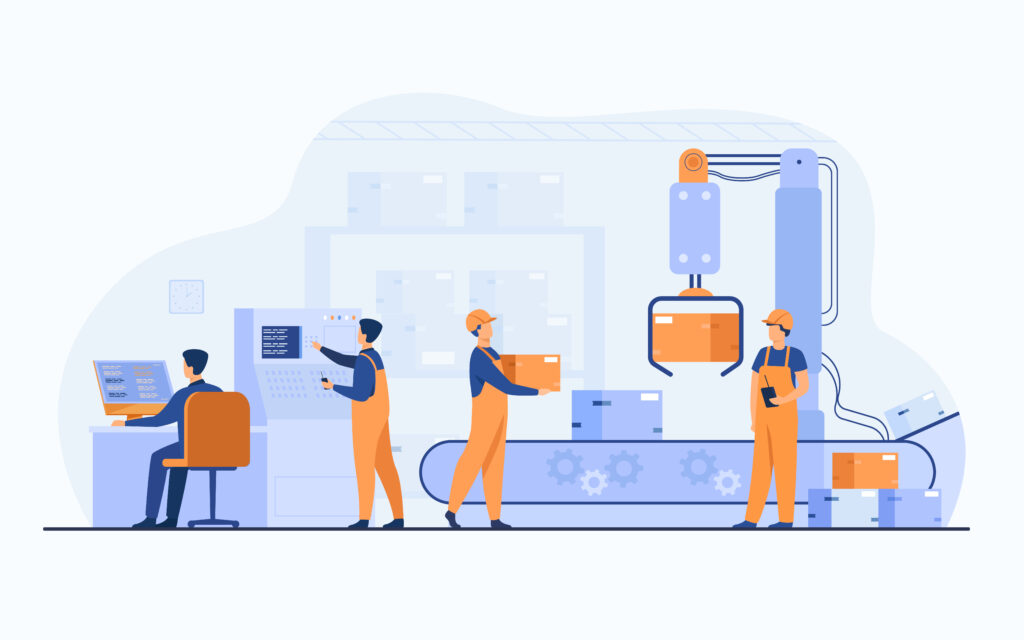
Home About Us Courses Job Opening Gallery Blog Contact Us X Enquire now Industrial Automation The Future of Industrial Automation Industrial automation has been around for decades, but it is only in recent years that it has truly taken off. The rise of new technologies such as artificial intelligence (AI), machine learning (ML), and the Internet of Things (IoT) has led to a new era of automation that is more powerful and versatile than ever before. This new era of industrial automation is often referred to as Industry 4.0, and it is having a profound impact on the way we produce goods and services. By automating tasks that were once done by humans, Industry 4.0 can help to improve productivity, quality, and efficiency. It can also help to reduce costs and environmental impact. As Industry 4.0 continues to evolve, we can expect to see even more dramatic changes in the way we work. For example, robots will become increasingly sophisticated and capable of performing a wider range of tasks. AI will be used to make better decisions about production and resource allocation. And the IoT will connect machines, sensors, and people in new and innovative ways. All of these changes will lead to a more efficient, productive, and sustainable industrial sector. However, they will also create new challenges. For example, we will need to find ways to ensure that the benefits of automation are shared equitably. We will also need to address the potential social and ethical implications of automation. Overall, the future of industrial automation is bright. With the right approach, we can use this technology to create a more prosperous and sustainable future for everyone. Here are some of the key trends that are shaping the future of industrial automation: The rise of AI and ML: AI and ML are enabling machines to learn and adapt to new situations, which is making them more capable of performing a wider range of tasks. This is leading to the development of new and innovative automation solutions. The growth of the IoT: The IoT is connecting machines, sensors, and people in new and innovative ways. This is providing new opportunities for automation, such as the ability to monitor and control equipment remotely. The increasing demand for sustainability: Businesses are under increasing pressure to operate in a more sustainable way. Automation can help to reduce resource consumption and emissions, which can make businesses more sustainable.These are just a few of the trends that are shaping the future of industrial automation. As these trends continue to evolve, we can expect to see even more dramatic changes in the way we work. The industrial automation revolution is well underway, and it is being driven by a number of technologies, including PLCs (Programmable Logic Controllers), SCADA (Supervisory Control and Data Acquisition) systems, DCS (Distributed Control Systems), PACs (Programmable Automation Controllers), and IIoT (Industrial Internet of Things). These technologies are enabling manufacturers to automate their processes in new and innovative ways, which is leading to improved productivity, quality, and efficiency. They are also making it possible to collect and analyze data in real-time, which can be used to make better decisions about production and resource allocation. As the industrial automation revolution continues to unfold, we can expect to see even more dramatic changes in the way we produce goods and services. For example, robots will become increasingly sophisticated and capable of performing a wider range of tasks. AI will be used to make better decisions about production and resource allocation. And the IoT will connect machines, sensors, and people in new and innovative ways. All of these changes will lead to a more efficient, productive, and sustainable industrial sector. However, they will also create new challenges. For example, we will need to find ways to ensure that the benefits of automation are shared equitably. We will also need to address the potential social and ethical implications of automation. Overall, the future of industrial automation is bright. With the right approach, we can use this technology to create a more prosperous and sustainable future for everyone. Here are some of the specific ways in which PLC, SCADA, DCS, PAC and IIoT are being used to revolutionize industrial automation: PLCs: PLCs are used to control the operation of machinery and equipment in industrial processes. They are typically used in small to medium-sized applications. SCADA: SCADA systems are used to monitor and control large-scale industrial processes. They are typically used in power plants, water treatment plants, and other critical infrastructure. DCS: DCSs are a type of SCADA system that is specifically designed for the oil and gas industry. They are typically used to monitor and control drilling operations, pipelines, and other oil and gas assets. PACs: PACs are a type of PLC that is designed for more complex applications. They are typically used in applications where high performance and reliability are required. IIoT: IIoT is the use of the Internet of Things (IoT) in industrial environments. It enables the collection and analysis of data from machines, sensors, and other devices in real-time.These technologies are already being used to improve the efficiency and productivity of industrial processes. As they continue to evolve, we can expect to see even more dramatic changes in the way we produce goods and services. Here are some of the benefits of using PLC, SCADA, DCS, PAC and IIoT in industrial automation: Improved productivity: Automation can help to improve productivity by reducing the need for human intervention. This can free up workers to focus on more strategic tasks, such as planning and problem-solving. Increased quality: Automation can help to improve quality by ensuring that processes are consistently followed. This can lead to fewer defects and a better overall product. Enhanced safety: Automation can help to improve safety by reducing the risk of accidents. This is especially important in hazardous environments, such as those involving chemicals or high-voltage electricity. Reduced costs: Automation can help to reduce costs by eliminating the need for manual labor and by