Mastering Marine Automation & Industrial Automation Careers
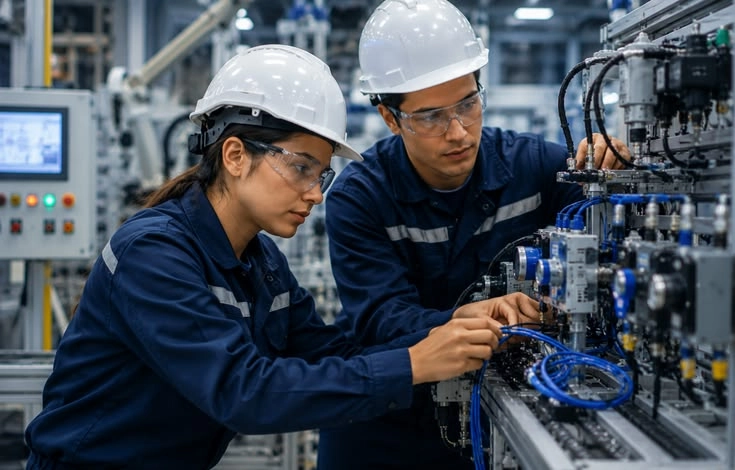
Home About Us Courses Job Opening Gallery Blog Contact Us X Enquire now Mastering Marine automation & Industrial Automation Careers Section 1: Understanding the Core Fields Q1: What is the difference between Industrial Automation and Marine Automation? While both fields share foundational concepts of control systems, PLCs, and instrumentation, their application environments differ entirely: Industrial Automation: Focuses on land-based manufacturing plants, automobile industries, petrochemical refineries, and power generation units. It utilizes Programmable Logic Controllers (PLCs), SCADA (Supervisory Control and Data Acquisition), Distributed Control Systems (DCS), and relay logic panels to maximize production efficiency and safety. Marine Automation: Focuses on the complex operational systems aboard commercial cargo vessels, oil tankers, offshore drilling rigs, and cruise ships. It monitors and controls shipboard machinery, engine room parameters, auxiliary systems, navigation equipment, and fluid power networks. Q2: Why are automation skills in such high demand globally? Modern industries are transitioning toward Smart Manufacturing and Industry 4.0. In the maritime sector, the rise of Autonomous Ships (MASS – Maritime Autonomous Surface Ships), real-time sensor networks, and smart engine rooms require certified technicians who understand precise instrumentation, calibration, and troubleshooting. Companies prefer industry-ready professionals who can minimize equipment downtime and manage advanced control systems right from day one. Section 2: Educational Pathways & Training Queries Q3: I have a Diploma or B.Tech in Electrical/Electronics/Mechanical Engineering. Do I need specialized training? Academic curriculums provide essential theoretical foundations, but they rarely expose students to live industrial equipment, high-pressure hydraulic loops, or marine-grade electrical termination standards. Specialized short-term training programs bridge this gap by providing intensive, hands-on lab sessions on simulators and real-world industrial hardware. Q4: What key practical skills should a student master during training? To stand out to international employers and placement officers, students should focus on acquiring proficiency in: Cable Glanding, Crimping & Termination: Executing neat panel wiring and secure cable management following marine safety standards. Loop Checking (Hot & Cold): Verifying circuit continuity, signal transmission, and sensor accuracy from field instruments to control rooms. Instrumentation Calibration: Accurately measuring and calibrating pressure, temperature, level, and flow transmitters. Hydraulic and Pneumatic Systems: Understanding fluid power circuits, valve actuators, and compressed air management used in heavy machinery and ship steering gear. Section 3: Career Scope, Placements, and Industry Expectations Q5: What job roles can I expect after completing a specialized automation or marine electrical program? Depending on your certification and area of specialization, graduates frequently step into roles such as: Marine Electrician / Electro-Technical Officer (ETO) Track: Managing shipboard power distribution, electrical maintenance, and automation systems. Instrumentation Technician: Installing, maintaining, and repairing measurement and control instruments in oil & gas plants. Automation Engineer / PLC Programmer: Designing, testing, and troubleshooting automated industrial control systems. Hydraulics & Pneumatics Specialist: Maintaining fluid-powered mechanical control systems across factories and offshore vessels. Q6: Is 100% placement assistance a realistic expectation? Reputed training institutions that maintain strong industry partnerships, active recruiter networks, and dedicated placement cells can offer structured guidance, interview preparation, and direct employer interviews. However, a student’s success ultimately depends on their active participation in practical lab sessions, technical aptitude, and problem-solving mindset. Section 4: Tips for Students Preparing for Interviews Focus on Fundamentals: Brush up on basic electrical laws, control loop principles, relay logic, and sensor operation. Interviewers value strong fundamentals over memorized theory. Highlight Hands-On Experience: During technical interviews, emphasize the practical hours you spent working directly with physical panels, multimeters, calibrators, and simulators. Stay Updated with Industry Trends: Familiarize yourself with emerging technologies such as predictive maintenance, IoT-enabled sensor networks, and eco-friendly vessel automation systems. Final Thoughts: Building a Successful Career in Automation The industrial and maritime sectors are evolving faster than ever. As automation technology continues to reshape global trade, smart manufacturing, and vessel operations, the demand for highly skilled, hands-on trained engineering professionals will only continue to surge. While academic degrees build your foundation, practical expertise, real-world panel wiring, and instrument calibration are what truly elevate your job prospects. Acquiring targeted skill sets in PLC programming, hydraulic systems, and marine electrical termination turns your theoretical background into an industry-ready profile. At Voyage Institute of Technology, we bridge the gap between classroom education and real-world industrial demands. Equipped with state-of-the-art automation labs, simulated training environments, and experienced industry mentors, our career-oriented programs empower B.Tech, Diploma, and ITI graduates to step directly into high-demand engineering roles globally. With comprehensive, hands-on training and dedicated placement assistance, Voyage Institute of Technology ensures you are fully prepared to take charge of your future in Marine and Industrial Automation. Latest Post Mastering Marine Automation & Industrial Automation Careers Top Industrial & Marine Automation Courses in Kerala: Scope, Curriculum, and Career Guide Is Industrial Automation a Good Career Choice in 2026? Best Courses After ITI & Diploma – Career-Oriented Automation Courses Best Course After B.Tech In Kerala : Top Career-Oriented Courses for Engineering Graduates We are a group of Experienced passionate professionals spent many years working in the marine, oil and gas, petrochemical, and energy sectors. Facebook-f Instagram Twitter Other Pages Home About Us Courses Job Opening Gallery Contact Us Quick Links Privacy Policy Term Of Service FAQ Contact Us VOYAGE INSTITUTE OF TECHNOLOGY PVT LTD Kadooli Tower, 3rd Floor West Nadakkavu Kozhikode-673011 +914957967008 info@voyageinstitute.com Copyright © 2023 Voyage Institute Of Technology Pvt Ltd, All rights reserved.
Best Courses After ITI & Diploma – Career-Oriented Automation Courses
Home About Us Courses Job Opening Gallery Blog Contact Us X Enquire now Best Course After ITI and Diploma: Top Career-Oriented Automation Courses for a Bright Future Best Courses After ITI & Diploma Best Courses After ITI & Diploma can help students build specialized technical skills and improve their career opportunities in India’s rapidly growing automation industry. Completing an ITI (Industrial Training Institute) or Diploma in Engineering provides a strong technical foundation, but adding industry-oriented automation training can help you become more job-ready and competitive. If you’re searching for the best courses after ITI & Diploma, professional automation training can be an excellent career choice. Voyage Institute offers three career-focused programs designed to provide practical knowledge and hands-on experience: Industrial Automation & Control Marine Automation & Control Industrial Electrical Automation & Control These programs combine theoretical knowledge with practical training to prepare students for real-world industrial environments in India and abroad. Why Should You Take a Professional Course After ITI or Diploma? Today’s employers prefer candidates who possess practical skills alongside technical qualifications. A professional automation course enhances your expertise and increases your chances of securing better job opportunities. Benefits of Taking an Advanced Course Learn industry-relevant technical skills Gain practical hands-on experience Improve your job opportunities Earn better salary packages Stay updated with modern industrial technologies Explore career opportunities in India and overseas Specialized automation training helps bridge the gap between classroom learning and industry expectations. 1. Industrial Automation & Control Industrial automation is transforming manufacturing and production industries worldwide. Companies are continuously adopting automation technologies to improve efficiency, productivity, and safety. The Industrial Automation & Control course at Voyage Institute equips students with the practical skills required to work in modern automated industries. Course Highlights Students receive training in: PLC Programming HMI Systems SCADA Industrial Sensors Process Control Instrumentation Industrial Networking Automation Troubleshooting Career Opportunities After completing the course, students can work as: PLC Programmer Automation Technician Control System Engineer Maintenance Engineer Commissioning Engineer Service Engineer Industries Hiring Manufacturing Automotive Food Processing Cement Plants Pharmaceutical Companies Process Industries Power Plants Industrial automation professionals are in high demand as industries continue to modernize their operations. 2. Marine Automation & Control Marine Automation is one of the fastest-growing technical fields in the maritime industry. Modern ships rely heavily on advanced automation systems to ensure efficient and safe operations. The Marine Automation & Control program prepares students to work with sophisticated marine electrical and automation systems. What You’ll Learn Marine Electrical Systems PLC Applications Engine Control Systems Marine Instrumentation Alarm Monitoring Systems Automation Troubleshooting Shipboard Control Systems Career Opportunities Graduates can pursue careers as: Marine Automation Technician Marine Control Engineer Service Engineer Commissioning Engineer Instrumentation Technician Marine Electrical Engineer Industries Hiring Shipping Companies Shipyards Offshore Industries Marine Equipment Manufacturers Oil & Gas Companies Marine automation professionals enjoy excellent career opportunities in both domestic and international markets. 3. Industrial Electrical Automation & Control The Industrial Electrical Automation & Control program combines industrial electrical systems with modern automation technologies. It is an excellent choice for ITI and Diploma students who want to build expertise in industrial electrical operations and automation. Course Modules Students learn: Electrical Control Panels PLC Programming Motor Control Systems Variable Frequency Drives (VFD) Industrial Wiring Electrical Protection Systems Control Circuit Design Automation Integration Career Opportunities Career options include: Electrical Automation Engineer Electrical Maintenance Engineer PLC Engineer Control Panel Technician Automation Engineer Electrical Design Engineer Industries Hiring Manufacturing Plants Industrial Automation Companies Electrical Equipment Industries Infrastructure Projects Renewable Energy Sector Industrial Service Providers This course provides the practical skills required for today’s automated industrial environment. Why Choose Voyage Institute? Voyage Institute is committed to helping ITI and Diploma graduates become industry-ready professionals through practical, career-oriented training. Why Students Choose Voyage Institute Experienced industry trainers Hands-on practical laboratory training Industry-focused curriculum Modern training facilities Real-time project exposure Placement assistance Career guidance and interview preparation The programs are designed to develop the technical confidence and practical expertise employers look for. Which Course Is Best After ITI or Diploma? The right course depends on your career goals and interests. Choose Industrial Automation & Control if you want to work in manufacturing and industrial automation. Choose Marine Automation & Control if you are interested in the maritime and offshore industries. Choose Industrial Electrical Automation & Control if you want to specialize in electrical systems and industrial automation. All three programs provide practical skills, excellent career opportunities, and strong industry demand. Latest Post Best Courses After ITI & Diploma – Career-Oriented Automation Courses Best Course After B.Tech In Kerala : Top Career-Oriented Courses for Engineering Graduates Industrial Automation: Transforming Industries with Smart Technology Marine Electrical & Instrumentation Course in Kerala Industrial Automation Course for Electrical Engineers We are a group of Experienced passionate professionals spent many years working in the marine, oil and gas, petrochemical, and energy sectors. Facebook-f Instagram Twitter Other Pages Home About Us Courses Job Opening Gallery Contact Us Quick Links Privacy Policy Term Of Service FAQ Contact Us VOYAGE INSTITUTE OF TECHNOLOGY PVT LTD Kadooli Tower, 3rd Floor West Nadakkavu Kozhikode-673011 +914957967008 info@voyageinstitute.com Copyright © 2023 Voyage Institute Of Technology Pvt Ltd, All rights reserved.
Best Course After B.Tech In Kerala : Top Career-Oriented Courses for Engineering Graduates
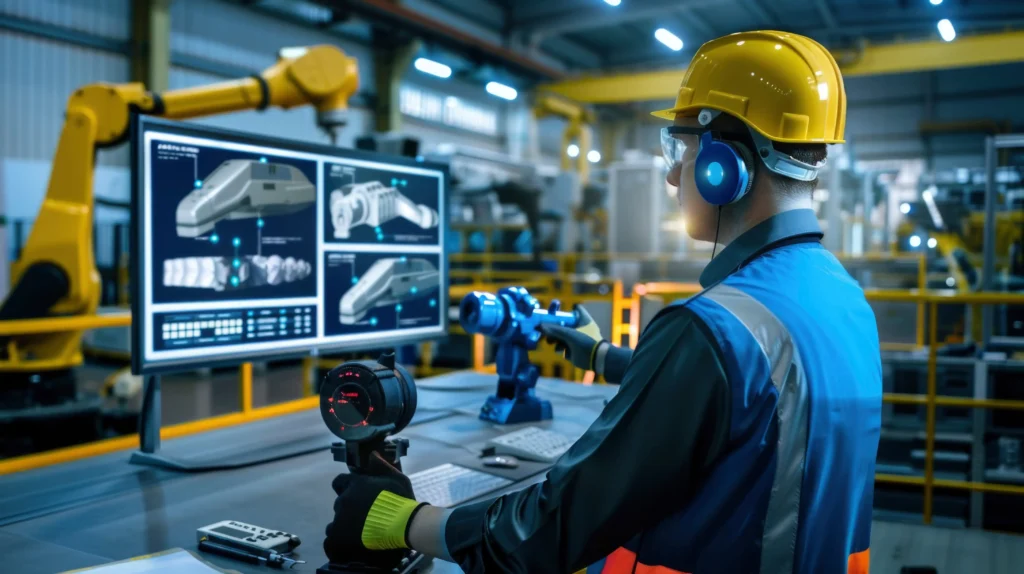
Home About Us Courses Job Opening Gallery Blog Contact Us X Enquire now Best Course After B.Tech In Kerala : Top Career-Oriented Courses for Engineering Graduates Choosing the best course after B.Tech is one of the most important decisions for engineering graduates. While a B.Tech degree provides a solid academic foundation, today’s industries are looking for professionals with practical skills, specialized knowledge, and hands-on experience. Pursuing a professional certification after graduation can significantly improve your employability, technical expertise, and career prospects. If you’re an engineering graduate looking for high-demand career opportunities in India and abroad, automation is one of the fastest-growing sectors. At Voyage Institute, students receive industry-focused training through three specialized programs: Industrial Automation & Control Marine Automation & Control Industrial Electrical Automation & Control These programs are designed to bridge the gap between academic learning and real-world industrial requirements, making them excellent choices for graduates seeking rewarding technical careers. Why Pursue a Professional Course After B.Tech? Many engineering graduates find it challenging to secure technical roles immediately after graduation due to the growing demand for practical industry skills. Professional training equips students with the knowledge and hands-on experience required by employers. Benefits of pursuing a professional course include: Improved job opportunities Industry-recognized technical skills Hands-on practical training Better salary potential Faster career growth Opportunities to work in India and overseas Choosing a specialized automation course can give engineering graduates a competitive advantage in today’s job market. 1. Industrial Automation & Control Industrial automation has transformed modern manufacturing by improving productivity, efficiency, and precision. Industries are continuously adopting automation technologies, creating a strong demand for skilled automation professionals. The Industrial Automation & Control program at Voyage Institute provides practical training in automation systems widely used across manufacturing and process industries. What You’ll Learn PLC Programming HMI Programming SCADA Systems Industrial Sensors Control Systems Instrumentation Basics Industrial Networking Process Automation Career Opportunities Graduates can pursue careers as: PLC Programmer Automation Engineer Control System Engineer Commissioning Engineer Maintenance Engineer Production Automation Engineer Industries Hiring Automation Engineers Manufacturing Automotive Food Processing Pharmaceutical Cement Plants Steel Industries Power Plants Process Industries Industrial automation professionals continue to enjoy strong career demand as industries increasingly adopt smart manufacturing technologies. 2. Marine Automation & Control The maritime industry is becoming increasingly automated, making Marine Automation & Control one of the most promising career choices for engineering graduates. Modern ships rely on sophisticated automation systems for engine control, monitoring, power management, and safety. Skilled marine automation engineers play a vital role in maintaining and commissioning these systems. Course Highlights Students receive practical exposure to: Marine Electrical Systems PLC Applications Marine Instrumentation Alarm Monitoring Systems Engine Control Systems Automation Troubleshooting Shipboard Automation Control Panels Career Opportunities After completing the course, graduates may work as: Marine Automation Engineer Electrical Officer Support Engineer Commissioning Engineer Service Engineer Marine Control Engineer Instrumentation Engineer Employment Sectors Marine automation professionals are employed in: Shipping Companies Shipyards Offshore Industries Marine Service Companies Oil & Gas Industry Marine Equipment Manufacturers The global shipping industry continues to create exciting career opportunities for qualified marine automation professionals. 3. Industrial Electrical Automation & Control Electrical engineering remains one of the most essential disciplines in industrial automation. The Industrial Electrical Automation & Control program combines electrical systems with advanced automation technologies, preparing graduates for modern industrial environments. This course is ideal for students who want to specialize in industrial electrical systems, motor controls, and automation technologies. Topics Covered Students gain practical knowledge in: Electrical Control Panels Motor Starters PLC Programming Variable Frequency Drives (VFD) Industrial Wiring Electrical Protection Systems Control Circuit Design Industrial Automation Integration Career Opportunities Graduates can work as: Electrical Automation Engineer Electrical Design Engineer PLC Engineer Electrical Maintenance Engineer Control Panel Engineer Automation Commissioning Engineer Industries Hiring Manufacturing Industries Electrical Equipment Companies Industrial Plants Infrastructure Projects Renewable Energy Companies Automation Solution Providers Professionals with expertise in electrical automation are highly valued due to the growing adoption of smart industrial systems. Why Choose Voyage Institute? Voyage Institute is committed to preparing engineering graduates for successful technical careers through practical and industry-oriented education. Students benefit from: Experienced industry trainers Practical laboratory sessions Modern training facilities Industry-focused curriculum Real-world project exposure Placement assistance Career guidance and interview preparation The institute emphasizes hands-on learning, ensuring students are job-ready from day one. Which Course Is Best After B.Tech? The ideal course depends on your career aspirations: Industrial Automation & Control is ideal for graduates interested in manufacturing, process industries, and industrial automation. Marine Automation & Control is suitable for those seeking careers in the maritime, offshore, and shipping industries. Industrial Electrical Automation & Control is recommended for graduates who want to specialize in electrical systems and industrial automation technologies. All three programs offer excellent career prospects, practical learning, and opportunities to work in India and internationally. If you’re searching for the best course after B.Tech, choosing an automation-focused program is a smart investment in your future. As industries increasingly rely on advanced automation technologies, professionals with specialized technical skills are in high demand. At Voyage Institute, the Industrial Automation & Control, Marine Automation & Control, and Industrial Electrical Automation & Control programs are designed to equip engineering graduates with practical expertise, industry-relevant knowledge, and the confidence to build successful careers in India and across the globe. Latest Post Best Course After B.Tech In Kerala : Top Career-Oriented Courses for Engineering Graduates Industrial Automation: Transforming Industries with Smart Technology Marine Electrical & Instrumentation Course in Kerala Industrial Automation Course for Electrical Engineers Is Marine Automation a Good Career Choice in 2026? We are a group of Experienced passionate professionals spent many years working in the marine, oil and gas, petrochemical, and energy sectors. Facebook-f Instagram Twitter Other Pages Home About Us Courses Job Opening Gallery Contact Us Quick Links Privacy Policy Term Of Service FAQ Contact Us VOYAGE INSTITUTE OF TECHNOLOGY PVT LTD Kadooli Tower, 3rd Floor West Nadakkavu Kozhikode-673011 +914957967008 info@voyageinstitute.com Copyright © 2023 Voyage Institute Of Technology Pvt Ltd, All rights reserved.
Real-Time Vessel Monitoring with Sensor Networks

Home About Us Courses Job Opening Gallery Blog Contact Us X Enquire now Vessel monitoring system data Real-Time Vessel Monitoring with Sensor Networks When a ship sets sail, it’s more than just steel, engines, and cargo moving across the ocean it’s a living, moving system with countless parts working together. Behind the scenes, something even more important is happening: the ship is constantly talking, not in words, but through vessel monitoring system data. This data tells the real story of what’s happening onboard — from how the engines are running to where the ship is, what the weather’s like, and even how much fuel is being used. Thanks to sensor networks, we can now collect and share this information in real time, making shipping safer, smarter, and more efficient Why Real-Time Monitoring Matters Oceans are unpredictable. A sudden storm, a hidden engine fault, or a navigational hazard can turn a smooth journey into a risky situation. In the past, ships relied on periodic radio updates or manual logs. But those methods were slow and often incomplete. Today, with real-time vessel monitoring system data, operators and crew don’t have to wait for problems to get worse — they can see issues as they happen and act immediately. Without this data, ships risk: Burning more fuel than necessary Facing unexpected repairs Losing valuable time and cargo Putting crew safety at risk How Sensor Networks Work at Sea Think of a sensor network as the ship’s nervous system. Sensors are placed all over the vessel — in the engine room, along the hull, in the navigation systems, and even in the cargo holds. These sensors keep track of: Engine health – Temperature, vibration, and fuel usage Hull condition – Detecting strain or corrosion early Navigation – Speed, route, and GPS location Weather and sea conditions – Wind speed, wave height, and visibility Cargo safety – Keeping perishable goods at the right temperature All of this information is instantly sent via satellite or radio to shore-based teams, who can give guidance, plan routes, or schedule maintenance before small problems become big ones. The Real Benefits 1. Safer Journeys Real-time alerts help crews avoid danger and handle emergencies quickly. 2. Lower Costs Monitoring fuel use means more efficient routes and less waste 3. Fewer Breakdowns Predictive maintenance stops small issues from causing major delays. 4. Eco-Friendly Operations Data helps reduce emissions and meet environmental standards. 5.Smarter Fleet Management Companies can monitor several ships at once and coordinate better. From Cargo Ships to Research Vessels Whether it’s a giant container ship crossing oceans, a naval ship on patrol, a fishing vessel at sea, or a research boat in the Arctic, vessel monitoring system data is the key to safe and efficient operations. Vessel monitoring system data provides real-time insights, keeps the crew informed, ensures compliance, and keeps every journey on track — no matter the size or purpose of the vessel.” Conclusion: The Future is Even Smarter In the coming years, we’ll see AI and advanced analytics making sense of this data even faster, predicting problems before they occur, and helping ships sail more efficiently. At the Voyage Institute of Technology, we see vessel monitoring system data as the foundation of future maritime operations — enabling ships that aren’t just powerful, but intelligent, and driven by the right data at the right time. Because at sea, vessel monitoring system data isn’t just information — it’s safety, efficiency, and the difference between a good voyage and a great one. For further reading on similar topics, check out article on : Master SCADA Systems with Hands-On Training Latest Post Global Autonomous Ships Market Expected to Grow 30% by 2028 Real-Time Vessel Monitoring with Sensor Networks Autonomous Ships (Unmanned Vessels): How Maritime Autonomous Surface Ships Are Changing the Future of Shipping Smart Engine Room Technology: Boost Efficiency withMarine Automation Master SCADA Systems with Hands-On Training We are a group of Experienced passionate professionals spent many years working in the marine, oil and gas, petrochemical, and energy sectors. Facebook-f Instagram Twitter Other Pages Home About Us Courses Job Opening Gallery Contact Us Quick Links Privacy Policy Term Of Service FAQ Contact Us VOYAGE INSTITUTE OF TECHNOLOGY PVT LTD Kadooli Tower, 3rd Floor West Nadakkavu Kozhikode-673011 +914957967008 info@voyageinstitute.com Copyright © 2023 Voyage Institute Of Technology Pvt Ltd, All rights reserved.
Smart Engine Room Technology: Boost Efficiency withMarine Automation
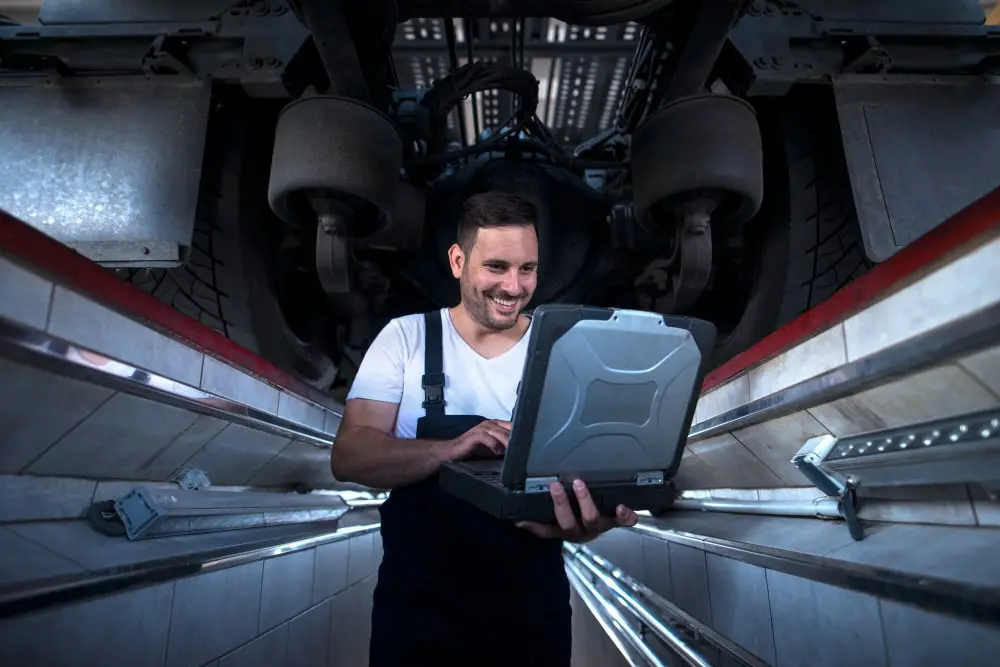
Home About Us Courses Job Opening Gallery Blog Contact Us X Enquire now Smart Engine Room Technology Smart Engine Room Technology: Boost Efficiency with Marine Automation The shipping industry is experiencing a technological revolution. With rising operational costs, stricter environmental regulations, and the need for enhanced safety, marine automation has become more than just an innovation, it’s a necessity. At the heart of this evolution lies the Smart Engine Room, a concept that is redefining how modern vessels operate. What is a Smart Engine Room? Traditionally, engine rooms onboard ships were heavily dependent on manual operations. Engineers and crew members needed to perform constant checks, monitor gauges, record data by hand, and troubleshoot issues through experience. While this system worked for decades, it was prone to human error, inefficiency, and unexpected machinery failures. A Smart Engine Room changes this paradigm completely. It’s a technologically advancedenvironment where digital systems, sensors, automation controls, and artificial intelligence (AI) work together to ensure seamless operations. From real-time monitoring to predictive maintenance, every critical function is automated or intelligently assisted. Core Technologies Powering Smart Engine Rooms 1. IoT & Sensor Networks Smart engine rooms rely on a web of IoT-enabled sensors that constantly track parameters like temperature, pressure, vibration, fuel consumption, and emissions. This continuous data collection forms the backbone of automation and analytics. 2. Data Analytics & AI Collected data is fed into advanced software systems that analyze it in real-time. AI algorithms identify patterns, predict potential equipment failures, and suggest operational adjustments for optimal performance. 3. Automated Control Systems Systems such as fuel injection, lubrication, and cooling are regulated automatically. Thisensures machinery always operates within optimal parameters, reducing wear and extending lifespan. 4. Remote Diagnostics & Cloud Platforms Engine data is transmitted securely to cloud platforms, enabling onshore teams to monitorvessel performance, run diagnostics, and assist in troubleshooting from anywhere in the world. 5. Integrated Alarm & Safety Management Smart systems don’t just detect anomalies, they respond to them. For instance, if a pumppressure drops below safe limits, automated controls can adjust operations or shut downmachinery to prevent damage. Benefits of a Smart Engine Room 1. Enhanced Efficiency By continuously analyzing data and fine-tuning operations, smart engine rooms achieve higher fuel efficiency. Even small percentage improvements translate into substantial savings given the scale of marine fuel costs. 2. Predictive & Proactive Maintenance Instead of adhering strictly to calendar-based maintenance schedules, ships can now perform maintenance based on actual equipment condition. This reduces unnecessary servicing and prevents costly breakdowns. 3. Real-Time Monitoring & Control Engineers onboard and teams onshore can access a complete operational overview at anymoment. Dashboards present everything from fuel rates to machinery health indices, enabling quick decisions. 4. Environmental Compliance Regulatory bodies like the IMO enforce strict limits on emissions. Smart engine systems helpmeet these requirements by automatically optimizing combustion, reducing fuel wastage, and minimizing harmful exhaust. 5. Improved Crew Safety By automating dangerous or repetitive tasks and providing instant alerts on abnormalconditions, smart systems reduce risks to onboard personnel. Challenges & the Need for Skilled Professionals While the benefits are immense, the transition to smart engine rooms isn’t without challenges. Integrating complex systems requires upfront investment, robust cybersecurity to protect data and operations, and highly trained personnel. Marine engineers now need to be proficient not only in mechanical systems but also inautomation software, data analytics, and remote diagnostics. This is why marine automation training programs are growing rapidly in popularity, ensuring that professionals can keep pace with technological demands. The Impact on the Future of Shipping The global maritime industry is under pressure to become greener and more cost-effective.Shipping companies that adopt smart engine room technologies stand to gain a clearcompetitive edge. By lowering fuel consumption, reducing maintenance costs, and improving vessel availability, smart ships can operate more profitably. Additionally, as international regulations continue to tighten on emissions and safety protocols, smart automation ensures compliance without manual intervention. This is a crucial advantage as sustainability becomes a non-negotiable requirement across industries. Are Smart Engine Rooms Replacing Engineers? A common concern is whether increased automation means fewer jobs for marine engineers. In reality, the role of engineers is evolving, not disappearing. Instead of spending time on manual checks and routine inspections, marine engineers now focus on system oversight, data interpretation, and making strategic decisions based on insights from smart systems. In essence, automation handles the repetitive and hazardous work, freeing up human expertise for higher-level technical and operational roles. This shift also means there’s a rising demand for engineers with cross-disciplinary skills in both mechanical and digital systems. Conclusion: Sailing into a Smarter Era The Smart Engine Room stands as a shining example of how marine automation is transforming the shipping industry. By blending traditional maritime engineering with modern digital technology, ships are becoming safer, more efficient, and environmentally responsible. For ship owners, this means reduced operational costs and assured compliance. For crewmembers, it ensures safer working conditions. And for the environment, it marks a decisive step towards sustainable global shipping. For further reading on similar topics, check out article on : Master SCADA Systems with Hands-On Training Latest Post Master SCADA Systems with Hands-On Training Automation Job Opportunities in the Marine Industry Pneumatics and Hydraulics in Industry The Future of Industrial Automation Pneumatics and Hydraulics in the Maritime Industry We are a group of Experienced passionate professionals spent many years working in the marine, oil and gas, petrochemical, and energy sectors. Facebook-f Instagram Twitter Other Pages Home About Us Courses Job Opening Gallery Contact Us Quick Links Privacy Policy Term Of Service FAQ Contact Us VOYAGE INSTITUTE OF TECHNOLOGY PVT LTD Kadooli Tower, 3rd Floor West Nadakkavu Kozhikode-673011 +914957967008 info@voyageinstitute.com Copyright © 2023 Voyage Institute Of Technology Pvt Ltd, All rights reserved.