
The Next Frontier in Marine Automation: Autonomous Vessels
The maritime industry is on the cusp of a revolution, with Autonomous Vessels in Marine Automation poised to transform the way goods are transported across the globe. As technology advances, the concept of autonomous shipping is shifting from science fiction to reality, promising improved safety, efficiency, and sustainability. By integrating Marine Automation with smart navigation systems and artificial intelligence, autonomous vessels are redefining how the shipping industry operates, paving the way for a safer, more efficient, and eco-friendly future on the seas
1. What are Autonomous Vessels?
Autonomous vessels are ships that operate with minimal or no human intervention, relying on advanced technologies such as artificial intelligence (AI), machine learning (ML), and sensor systems to navigate and control the vessel. These vessels can range from remotely operated ships to fully autonomous vessels that sail without onboard crew, monitored remotely or governed by AI
2.Key Technologies Driving Autonomous Marine Vessels
- Artificial Intelligence (AI) and Machine Learning (ML): AI enables autonomous vessels to process vast amounts of data in real-time, making decisions about navigation, speed, and route optimization. ML algorithms allow these systems to adapt and improve over time, enhancing their efficiency and safety.
- Advanced Sensors and Communication Systems: Autonomous vessels are equipped with a variety of sensors, including radar, sonar, LiDAR, and cameras, to monitor their surroundings. These sensors provide data that is processed by onboard systems to detect and avoid obstacles, other vessels, and hazards.
- Satellite and IoT Connectivity: Autonomous vessels rely on satellite and IoT connectivity to receive real-time data and communicate with shore-based control centers.
3. Benefits of Autonomous Vessels
. Improved Safety:
- Autonomous vessels can reduce the risk of human error, which is responsible for nearly 75% of maritime accidents.
. Operational Efficiency:
- Autonomous vessels can optimise routes, reduce fuel consumption, and lower emissions, resulting in cost savings and reduced environmental impact.
. Sustainability:
- Autonomous vessels can support the International Maritime Organisation’s (IMO) Net-Zero emission goals by reducing greenhouse gas emissions and promoting eco-friendly shipping practices.
Challenges Ahead
Regulation:
Current maritime law is designed for crewed ships, and regulatory frameworks need to be updated to accommodate autonomous vessels.
Cybersecurity:
: Autonomous vessels face heightened digital threats, and robust cybersecurity measures are essential to ensure safe operation.
Industry Confidence:
: Shipowners, insurers, and regulators must trust the technology and collaborate to ensure successful integration.
4:Current Progress and Future Outlook
Several countries, including Norway, Japan, and South Korea, are leading the charge in autonomous shipping, with pilot projects and commercial trials underway. The Yara Birkeland, a fully electric and autonomous container vessel, is a notable example of progress in this field. By 2030, we can expect to see growth in short-sea autonomous shipping and remote-controlled cargo vessels, with AI copilots supporting navigation, maintenance, and compliance.
Conclusion
Autonomous vessels represent the next frontier in marine automation, offering a transformative solution for the maritime industry. As technology advances and regulatory frameworks evolve, autonomous shipping is poised to become a reality, shaping the future of global trade and commerce. Autonomous Vessels in Marine Automation
Latest Post
-
 Advanced Industrial Automation Systems: Transforming Modern Manufacturing
 -
 When Machines Think: The Rise of Smart Industrial Automation
 -
The Next Frontier in Marine Automation: Autonomous Vessels
-
 Industrial Automation and Control Systems: Driving the Future of Industry
 -
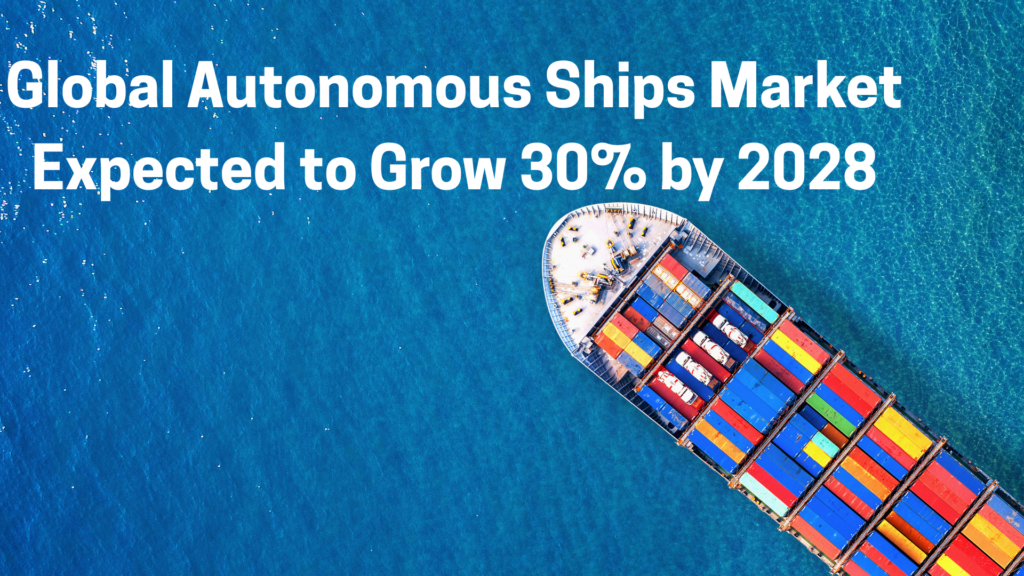 Global Autonomous Ships Market Expected to Grow 30% by 2028
We are a group of Experienced passionate professionals spent many years working in the marine, oil and gas, petrochemical, and energy sectors.
Other Pages
Quick Links
Copyright © 2023 Voyage Institute Of Technology Pvt Ltd, All rights reserved.