
Is Industrial Automation a Good Career Choice in 2026?
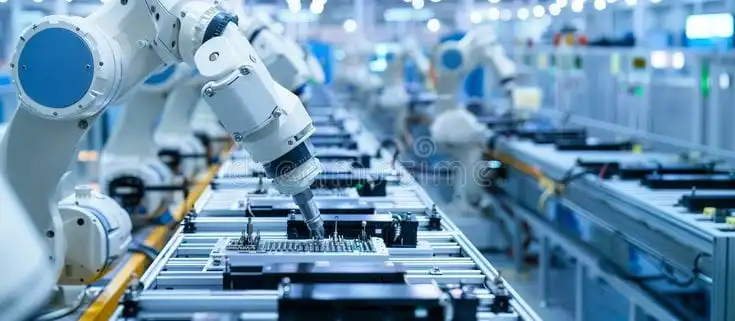
Industrial automation has become an important part of modern manufacturing, production, and process industries. As companies increasingly adopt smart technologies to improve productivity, efficiency, safety, and product quality, the demand for professionals with industrial automation skills continues to grow.
But is industrial automation a good career choice in 2026
The answer is yes. Industrial automation offers a wide range of career opportunities for engineering graduates, diploma holders, and professionals interested in electrical systems, electronics, instrumentation, control systems, robotics, and industrial technology.
In this guide, we will explore the career scope of industrial automation, the skills you need, job opportunities, industry trends, and how you can start a career in this growing field.
What Is Industrial Automation?
Industrial automation refers to the use of control systems, software, machines, sensors, and other technologies to operate industrial processes with minimal manual intervention.
Automation is widely used in manufacturing plants, power plants, oil and gas facilities, pharmaceutical companies, food processing industries, automotive factories, and many other sectors.
Some of the important technologies used in industrial automation include:
- PLC (Programmable Logic Controller)
- SCADA (Supervisory Control and Data Acquisition)
- HMI (Human-Machine Interface)
- DCS (Distributed Control System)
- VFD (Variable Frequency Drive)
- Industrial instrumentation
- Robotics
- Industrial networking
- Industrial IoT (IIoT)
Learning these technologies can help students and professionals develop the technical knowledge required for modern industrial environments.
Why Is Industrial Automation Important in 2026?
Industries are constantly looking for ways to increase productivity while reducing downtime, operational costs, errors, and safety risks.
Industrial automation helps companies achieve these goals by allowing machines and control systems to perform repetitive and complex tasks with greater accuracy and consistency.
The growth of Industry 4.0 is also changing the way factories operate. Modern manufacturing environments increasingly combine automation systems with data, connectivity, sensors, robotics, cloud technologies, and artificial intelligence.
This transformation is creating new opportunities for engineers and technicians who understand both traditional automation systems and modern industrial technologies.
Is Industrial Automation a Good Career in 2026?
Yes, industrial automation can be a promising career choice in 2026, particularly for candidates who develop practical technical skills.
The field offers opportunities across several industries, including:
- Manufacturing
- Automotive
- Pharmaceuticals
- Oil and gas
- Power and energy
- Food and beverage
- Chemical industries
- Water and wastewater
- Packaging
- Process industries
- Logistics andwarehousing
As automation becomes more important in these industries, companies require professionals who can install, program, operate, troubleshoot, maintain, and improve automated systems.
However, completing an industrial automation course or obtaining a certificate alone does not guarantee employment. Employers typically value practical knowledge, problem-solving ability, technical skills, and industry exposure.
What Skills Are Required for an Automation Engineer?
If you are planning to build a career in industrial automation, developing practical skills should be one of your main priorities.
1. PLC Programming
PLC programming is one of the fundamental skills required in industrial automation.
A PLC controls machines and industrial processes based on programmed instructions. Automation professionals should understand PLC architecture, input and output systems, ladder logic, timers, counters, interlocks, and troubleshooting.
2. SCADA
SCADA systems are used to monitor and control industrial processes.
Learning SCADA can help you understand real-time monitoring, alarms, trends, data visualization, and communication between industrial systems.
3. HMI
Human-Machine Interface systems allow operators to interact with machines and industrial equipment.
Automation professionals should understand how to create basic HMI screens, configure tags, display alarms, and connect HMI systems with PLCs.
4. VFD and Motor Control
Variable Frequency Drives are commonly used to control the speed and operation of motors.
Understanding VFDs, motor control, and basic electrical systems can be highly valuable for automation engineers working in manufacturing and industrial environments.
5. Industrial Instrumentation
Instrumentation plays an important role in measuring and controlling industrial processes.
Knowledge of sensors, transmitters, measurement systems, control loops, and industrial instruments can help professionals work across different process industries.
6. Industrial Communication
Modern automation systems depend on communication between PLCs, HMIs, SCADA systems, drives, sensors, and other industrial devices.
Understanding industrial communication and networking can therefore give automation professionals an advantage in the workplace.
What Are the Career Opportunities in Industrial Automation?
Industrial automation provides several career paths depending on your educational background, technical skills, and experience.
Some common job roles include:
- Automation Engineer
- PLC Programmer
- SCADA Engineer
- Control Engineer
- Instrumentation Engineer
- Automation Technician
- Commissioning Engineer
- Maintenance Engineer
- Electrical Automation Engineer
- System Integration Engineer
- Robotics Engineer
Fresh graduates may begin their careers in trainee or junior-level positions and gradually move into specialized technical, project management, system integration, or engineering roles as they gain experience.
Is Industrial Automation Suitable for Freshers?
Industrial automation can be a good career option for freshers, especially candidates with educational backgrounds in Electrical Engineering, Electronics Engineering, Instrumentation, Mechatronics, Automation, or related fields.
However, academic knowledge alone may not be enough.
Practical exposure can make a significant difference when applying for entry-level automation positions.
For example, a candidate who has practical experience with PLC programming, HMI configuration, SCADA systems, motor control, and automation projects can demonstrate skills beyond classroom theory.
This is why hands-on training and project-based learning can be valuable for students preparing for automation careers.
What Is the Role of Industry 4.0 in Automation?
Industry 4.0 is transforming traditional manufacturing into more connected and intelligent production environments.
Modern factories are increasingly using:
- Industrial IoT
- Robotics
- Artificial intelligence
- Machine learning
- Cloud technologies
- Industrial sensors
- Data analytics
- Predictive maintenance
- Smart control systems
As these technologies become more integrated with industrial automation, future automation professionals will need to continuously upgrade their skills.
The ideal skill set is no longer limited to PLC programming alone.
A modern automation professional can benefit from understanding:
PLC + SCADA + HMI + Instrumentation + Networking + IIoT + Robotics + Data
Will Artificial Intelligence Replace Automation Engineers?
Artificial intelligence is changing many aspects of industrial operations, but it is unlikely to eliminate the need for skilled automation professionals.
Instead, AI is expected to become another tool used by engineers and industrial organizations.
AI can help with areas such as predictive maintenance, process optimization, data analysis, quality monitoring, and anomaly detection.
Automation engineers will continue to play an important role in designing, integrating, programming, testing, commissioning, maintaining, and troubleshooting industrial systems.
This means professionals who combine automation knowledge with emerging technologies may have an advantage as industries become more digital.
What Are the Challenges of an Automation Career?
While industrial automation offers promising career opportunities, it is important to understand the nature of the work.
Depending on the role, automation professionals may need to:
- Work at industrial plants
- Travel to customer locations
- Participate in installation and commissioning
- Troubleshoot equipment
- Work on production sites
- Handle time-sensitive technical problems
- Work shifts in certain industries
Some positions may involve more fieldwork than traditional office-based engineering roles.
Therefore, industrial automation is particularly suitable for people who enjoy working with machines, electrical systems, technology, troubleshooting, and real-world engineering problems.
How to Start a Career in Industrial Automation
If you want to build a career in industrial automation, you can follow a structured learning path.
Step 1: Build Your Technical Foundation
Start with electrical, electronics, instrumentation, or engineering fundamentals relevant to your career goals.
Step 2: Learn PLC Programming
Develop practical knowledge of PLC programming and industrial control systems.
Step 3: Learn SCADA and HMI
Understand how industrial processes are monitored and controlled using SCADA and HMI systems.
Step 4: Learn VFD and Motor Control
Develop an understanding of motor control, drives, and industrial electrical systems.
Step 5: Understand Instrumentation
Learn about sensors, transmitters, control loops, and measurement systems.
Step 6: Gain Hands-On Experience
Work on practical automation projects whenever possible. Hands-on experience can help you understand how automation systems operate in real industrial environments.
Step 7: Develop Industry 4.0 Skills
Once you have a strong automation foundation, explore industrial networking, IIoT, robotics, data analytics, and other emerging technologies.
Why Choose Industrial Automation as a Career?
- Industrial automation combines multiple areas of engineering and technology. It can be an excellent option for people who enjoy solving technical problems and working with modern industrial systems.
Some of the key advantages include: - Multiple career opportunities
- Applications across different industries
- Opportunities to develop specialized technical skills
- Exposure to modern industrial technologies
- Potential for career progression
Opportunities to work with international industries and projects
The career path can also evolve as your experience grows. You may start with PLC programming or maintenance and later specialize in controls engineering, commissioning, system integration, robotics, instrumentation, or industrial digitalization.
Final Thoughts
So, is industrial automation a good career choice in 2026?
For students and professionals interested in engineering, control systems, manufacturing, and industrial technology, the answer is yes.
The industry is moving toward smarter, more connected, and increasingly automated production environments. This creates opportunities for professionals who can combine strong fundamentals with practical automation skills.
However, the most important factor is not simply completing a course. Building practical knowledge, working on real-world projects, developing problem-solving skills, and continuously learning new technologies can help you become more competitive in the automation industry.
If you are planning to start your career in industrial automation, developing skills in PLC, SCADA, HMI, VFD, DCS, instrumentation, and industrial control systems can provide a strong foundation for your career journey.
Start Your Industrial Automation Career with Voyage Institute of Technology
If you are looking for industrial automation training in Kerala, Voyage Institute of Technology offers industry-focused training designed to help students develop practical knowledge of modern automation systems.
Through hands-on learning and technical training, students can build skills that are relevant to industrial automation and control systems.
Whether you are an engineering graduate, diploma holder, student, or professional looking to upgrade your skills, learning industrial automation can be an important step toward building a career in the modern industrial sector.
Explore our industrial automation training and start building the skills required for the future of automation.
Latest Post
-
Is Industrial Automation a Good Career Choice in 2026?
-
 Best Courses After ITI & Diploma – Career-Oriented Automation Courses
 -
 Best Course After B.Tech In Kerala : Top Career-Oriented Courses for Engineering Graduates
 -
 Industrial Automation: Transforming Industries with Smart Technology
 -
 Marine Electrical & Instrumentation Course in Kerala
We are a group of Experienced passionate professionals spent many years working in the marine, oil and gas, petrochemical, and energy sectors.
Other Pages
Quick Links
Copyright © 2023 Voyage Institute Of Technology Pvt Ltd, All rights reserved.