
Industrial Automation Course for Electrical Engineers
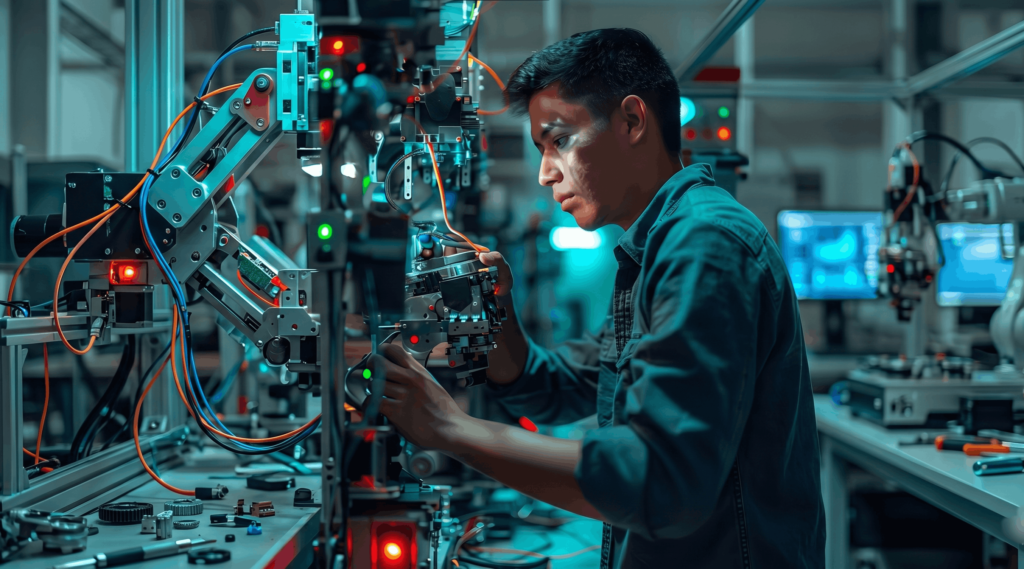
The industrial sector is undergoing a major transformation with the rapid growth of automation and smart technologies. Industries today are adopting advanced systems to improve productivity, enhance operational efficiency, reduce downtime, and maintain consistent quality standards. In this evolving industrial environment, skilled automation professionals are in high demand across the world. This is why an Industrial Automation Course for Electrical Engineers has become one of the most valuable and career-focused training programs for aspiring engineers and working professionals.
Electrical engineers already possess a strong foundation in electrical systems, circuits, motors, and power management. When this knowledge is combined with industrial automation skills, it creates a powerful career advantage. Automation training helps engineers understand modern industrial technologies and prepares them to work with intelligent systems used in factories, manufacturing plants, and large industrial operations. With industries moving toward smart manufacturing and Industry 4.0 technologies, automation expertise has become essential for professional growth.
Understanding Industrial Automation
Industrial automation is the process of using advanced technologies and control systems to operate industrial machinery and processes automatically with minimal human intervention. Automation systems include technologies such as PLC (Programmable Logic Controller), SCADA (Supervisory Control and Data Acquisition), HMI (Human Machine Interface), industrial sensors, robotics, drives, and control panels.
An Industrial Automation Course for Electrical Engineers provides detailed knowledge about how these technologies function in real industrial environments. Automation systems are designed to improve speed, accuracy, productivity, and safety within industries. By automating repetitive and complex tasks, industries can achieve better operational performance while reducing human errors and production delays.
Modern industries such as automobile manufacturing, pharmaceuticals, oil and gas, power generation, food processing, and infrastructure development heavily depend on industrial automation systems. As a result, companies are continuously searching for skilled electrical engineers who have practical automation knowledge and technical expertise.
Why Electrical Engineers Should Learn Industrial Automation
An Industrial Automation Course for Electrical Engineers helps professionals gain specialized technical skills that are highly valued in today’s industrial world. Electrical engineers are directly involved in the installation, operation, maintenance, and troubleshooting of industrial systems. Automation training enhances their capabilities and enables them to work confidently with advanced industrial equipment.
Automation technology is becoming a critical part of every major industry. Engineers with knowledge of PLC programming, SCADA systems, motor control, instrumentation, and industrial networking are considered valuable assets for companies. Automation training also improves analytical thinking and problem-solving abilities because engineers learn how to manage complex industrial processes efficiently.
Another important reason for learning automation is career stability. Industries are investing heavily in smart technologies and automated production systems. This means the demand for automation engineers will continue increasing in the coming years. Electrical engineers who complete automation training often receive better job opportunities, higher salaries, and faster career growth compared to traditional engineering roles.
Practical Training and Industry Exposure
One of the biggest advantages of joining an Industrial Automation Course for Electrical Engineers is the opportunity to gain practical industrial exposure. A good automation course focuses not only on theory but also on real-time industrial applications. Students work with industrial PLC panels, SCADA software, sensors, VFD drives, electrical motors, and automation control systems during practical sessions.
Hands-on training is extremely important because industries expect engineers to handle live industrial equipment confidently. Through practical learning, students understand how automated systems function in real production environments. They also learn how to identify faults, troubleshoot systems, and improve machine performance.
Practical automation training helps electrical engineers bridge the gap between academic learning and industrial requirements. It builds confidence and prepares students for challenging industrial job roles in a highly competitive market.
Career Opportunities After Automation Training
Completing an Industrial Automation Course for Electrical Engineers opens the door to numerous career opportunities across multiple industries. Automation professionals are required in manufacturing plants, construction projects, energy industries, process industries, robotics companies, and infrastructure sectors.
Electrical engineers with automation expertise can work as automation engineers, PLC programmers, SCADA engineers, maintenance engineers, control system engineers, project engineers, and industrial automation specialists. These professionals play a crucial role in maintaining efficient industrial operations and ensuring smooth production processes.
The demand for automation engineers is not limited to India alone. Many international industries and multinational companies are also actively hiring professionals with automation skills. This creates excellent opportunities for engineers who wish to build global careers in industrial technology and smart manufacturing systems.
Future of Industrial Automation
Marine automation courses typically focus on hands-on training with real industrial equipment and ship automation systems. Students learn about PLC programming, marine control systems, instrumentation, sensors, and troubleshooting techniques. This practical experience helps graduates become industry-ready and increases their chances of securing jobs quickly after completing their training.
Future of Smart Shipping
The future of industrial automation is extremely promising as industries continue adopting advanced technologies such as Artificial Intelligence (AI), Internet of Things (IoT), robotics, and smart factory systems. These innovations are changing the way industries operate and creating a new generation of intelligent manufacturing environments.
An Industrial Automation Course for Electrical Engineers prepares students for these future technologies by introducing them to modern automation concepts and industrial innovations. Engineers with automation expertise will remain in high demand because industries require skilled professionals who can manage advanced systems efficiently.
As automation continues to evolve, electrical engineers who stay updated with modern technologies will enjoy long-term career growth, financial stability, and professional success in the industrial sector.
Conclusion
An Industrial Automation Course for Electrical Engineers is one of the best career-enhancing programs for engineers who want to succeed in today’s technology-driven industrial world. Automation has become an essential part of modern industries because it improves productivity, accuracy, safety, and operational efficiency.
By learning automation technologies such as PLC, SCADA, HMI, robotics, and industrial control systems, electrical engineers can develop valuable technical expertise and gain a strong competitive advantage in the job market. With growing industrial demand and the rise of smart manufacturing systems, automation professionals have excellent opportunities for career growth both in India and abroad.
For electrical engineers who wish to build a future-ready career, industrial automation training is not just an additional skill but a powerful pathway toward innovation, professional development, and long-term success in the rapidly evolving industrial sector.
Latest Post
-
 Is Industrial Automation a Good Career Choice in 2026?
 -
 Best Courses After ITI & Diploma – Career-Oriented Automation Courses
 -
 Best Course After B.Tech In Kerala : Top Career-Oriented Courses for Engineering Graduates
 -
 Industrial Automation: Transforming Industries with Smart Technology
 -
 Marine Electrical & Instrumentation Course in Kerala
We are a group of Experienced passionate professionals spent many years working in the marine, oil and gas, petrochemical, and energy sectors.
Other Pages
Quick Links
Copyright © 2023 Voyage Institute Of Technology Pvt Ltd, All rights reserved.