
Is Marine Automation a Good Career Choice in 2026?
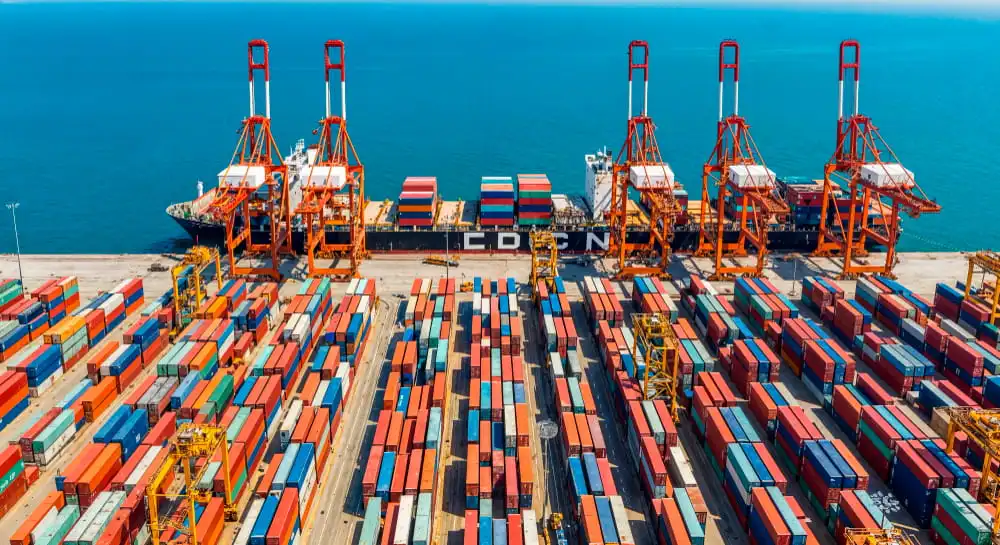
The maritime industry is undergoing a major technological transformation, and marine automation is becoming a crucial part of modern shipping and offshore operations. Ships today are no longer operated purely by manual control; instead, they rely heavily on advanced automation systems to manage engines, navigation, safety, and monitoring systems. Because of this growing reliance on technology, marine automation has emerged as one of the most promising career options in 2026 for students and technical professionals.
Growing Demand in the Maritime Industry
Global trade heavily depends on shipping. More than 80% of international trade is transported by sea, which means ships play a vital role in the global economy. To ensure safety, efficiency, and reliability, modern vessels are equipped with advanced automation systems. These systems control engines, power distribution, alarms, sensors, and monitoring equipment. As shipping companies continue to modernize their fleets, the demand for skilled marine automation engineers and technicians continues to increase.
Integration of Advanced Technologies
Modern ships operate with highly sophisticated control systems. Technologies such as PLC-based automation, sensor monitoring, integrated bridge systems, and automated engine control systems are now standard in many vessels. Marine automation professionals are responsible for installing, maintaining, and troubleshooting these systems. With the advancement of smart ships and digital shipping technologies, automation specialists will play an even more important role in the maritime sector.
Excellent Global Career Opportunities
One of the biggest advantages of choosing marine automation as a career is the opportunity to work globally. Shipping is an international industry, and automation professionals are needed in ports, shipyards, offshore platforms, and marine service companies worldwide. Countries with strong maritime industries such as Singapore, Norway, Germany, the UAE, and the Netherlands frequently hire skilled marine automation professionals.
Attractive Salary Packages
Marine automation professionals often receive competitive salary packages due to the specialized nature of their work. Companies value individuals who have practical knowledge of ship automation systems and control technologies. In addition to attractive salaries, professionals may also receive travel opportunities and the chance to work with advanced maritime technologies.
Practical and Technical Skill Development
Marine automation courses typically focus on hands-on training with real industrial equipment and ship automation systems. Students learn about PLC programming, marine control systems, instrumentation, sensors, and troubleshooting techniques. This practical experience helps graduates become industry-ready and increases their chances of securing jobs quickly after completing their training.
Future of Smart Shipping
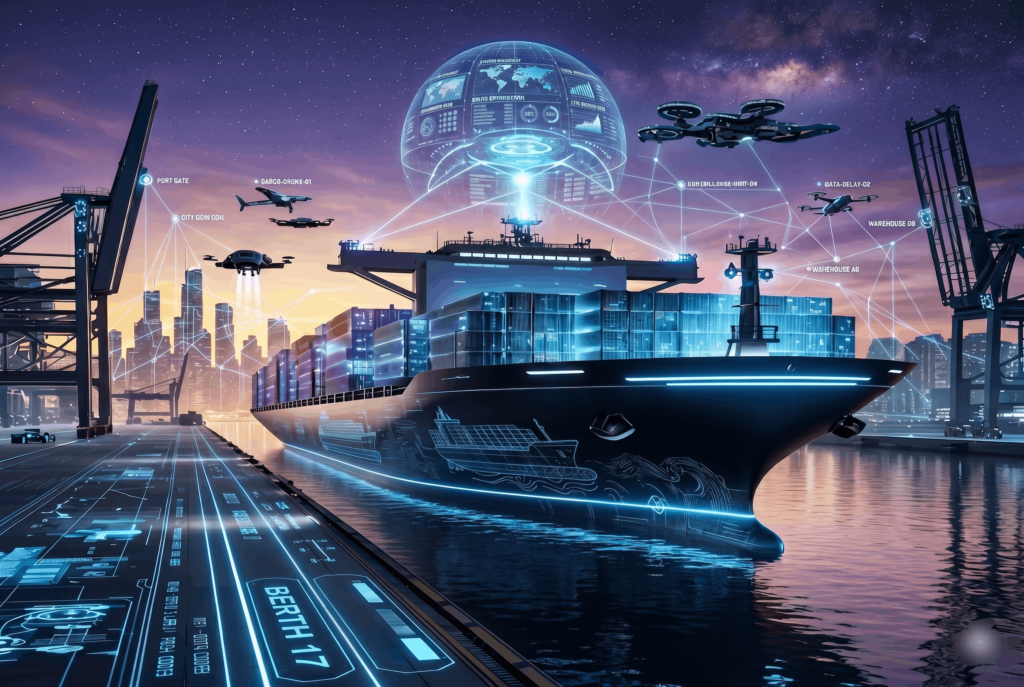
The future of the maritime industry is moving towards smart ships, autonomous vessels, and digitally connected fleets. Automation systems will play a central role in making ships safer, more efficient, and environmentally friendly. Professionals who specialize in marine automation will be at the forefront of these innovations.
In 2026, marine automation stands out as a strong and future-oriented career choice. With increasing demand in the global maritime industry, opportunities for international careers, attractive salaries, and continuous technological advancement, marine automation offers excellent prospects for students and professionals interested in the marine and automation sectors. For those looking to build a stable and rewarding technical career, marine automation can be a highly promising path.
For further reading on similar topics, check out the article on: Why Automation Engineers Are in High Demand Worldwide
Latest Post
-
 Is Industrial Automation a Good Career Choice in 2026?
 -
 Best Courses After ITI & Diploma – Career-Oriented Automation Courses
 -
 Best Course After B.Tech In Kerala : Top Career-Oriented Courses for Engineering Graduates
 -
 Industrial Automation: Transforming Industries with Smart Technology
 -
 Marine Electrical & Instrumentation Course in Kerala
We are a group of Experienced passionate professionals spent many years working in the marine, oil and gas, petrochemical, and energy sectors.
Other Pages
Quick Links
Copyright © 2023 Voyage Institute Of Technology Pvt Ltd, All rights reserved.