
Top Reasons to Learn Industrial Automation in 2026
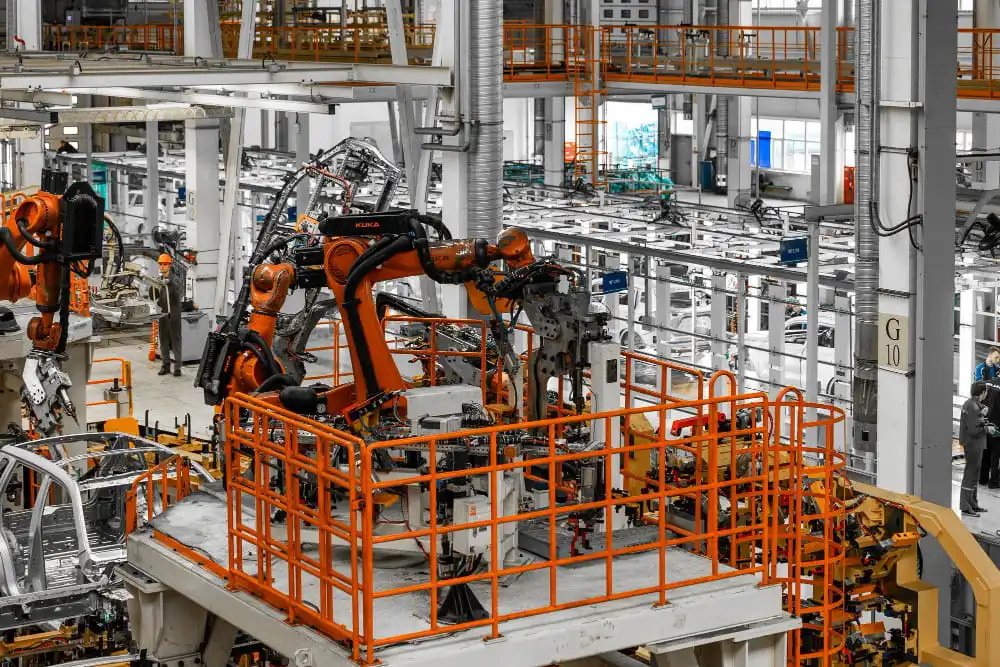
Industrial automation is rapidly transforming industries across the globe. With the rise of smart factories, advanced robotics, and intelligent control systems, automation has become the backbone of modern manufacturing and industrial operations. As we move into 2026, learning industrial automation is no longer just an option for engineers and technicians; it is becoming a necessity for anyone looking to build a strong career in the industrial sector.
Growing Demand for Skilled Professionals
One of the biggest reasons to learn industrial automation in 2026 is the increasing demand for skilled professionals. Industries such as manufacturing, oil and gas, power plants, and logistics are heavily investing in automation technologies to improve efficiency and productivity. However, there is a shortage of trained automation engineers and technicians who can manage and maintain these systems. Learning automation technologies such as PLC, SCADA, HMI, and robotics can open up numerous job opportunities in both national and international markets.
Industry 4.0 and Smart Manufacturing
The world is moving towards Industry 4.0, where machines, systems, and data are interconnected. Smart manufacturing uses technologies like IoT, AI, and advanced sensors to automate production processes. Industrial automation plays a crucial role in this transformation. Professionals with automation knowledge are essential for designing, implementing, and maintaining these intelligent systems. Learning automation in 2026 means becoming part of the next generation of smart industries.
High Salary and Career Growth
Industrial automation professionals are highly valued in the job market. Since automation systems are critical for industrial operations, companies are willing to pay competitive salaries to skilled experts. Automation engineers, control engineers, and robotics specialists often earn higher salaries compared to many traditional engineering roles. Additionally, automation skills provide opportunities to work in multiple sectors, ensuring long-term career stability and growth.
Global Career Opportunities
Automation is used in industries worldwide. Countries such as Germany, the UAE, Canada, and Australia are constantly seeking skilled automation professionals. By learning industrial automation, you gain the opportunity to work in global industries and multinational companies. With the right training and certifications, professionals can explore international career opportunities and gain valuable global experience.
Hands-On Technical Skills
Industrial automation training focuses heavily on practical learning. Students and professionals gain hands-on experience with real industrial equipment such as PLC controllers, sensors, motors, and control panels. These practical skills make candidates more employable and industry-ready. Instead of purely theoretical knowledge, automation courses prepare individuals to solve real industrial challenges.
Future-Proof Career
Automation is not a temporary trend—it is the future of industry. As companies continue to adopt automation technologies, the demand for automation experts will continue to grow. Learning industrial automation ensures that your career remains relevant in a rapidly evolving technological landscape.
In 2026, industrial automation stands as one of the most promising career paths in the technical field. With growing demand, strong salary potential, global opportunities, and the rise of Industry 4.0, learning industrial automation can provide a secure and rewarding future. For students, engineers, and technicians looking to build a successful career in modern industries, now is the perfect time to step into the world of industrial automation.
For further reading on similar topics, check out article on: Advanced Industrial Automation Systems: Transforming Modern Manufacturing
Latest Post
-
 Is Industrial Automation a Good Career Choice in 2026?
 -
 Best Courses After ITI & Diploma – Career-Oriented Automation Courses
 -
 Best Course After B.Tech In Kerala : Top Career-Oriented Courses for Engineering Graduates
 -
 Industrial Automation: Transforming Industries with Smart Technology
 -
 Marine Electrical & Instrumentation Course in Kerala
We are a group of Experienced passionate professionals spent many years working in the marine, oil and gas, petrochemical, and energy sectors.
Other Pages
Quick Links
Copyright © 2023 Voyage Institute Of Technology Pvt Ltd, All rights reserved.