Learning Marine Automation: Skills That Power Modern Ships
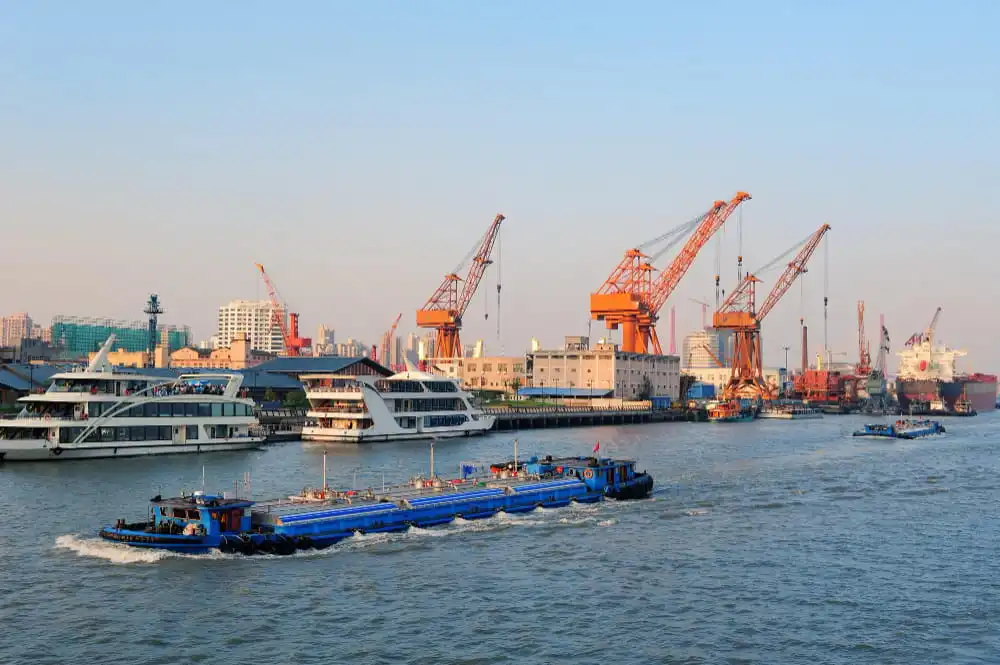
Modern ships are no longer operated purely by manual control and mechanical systems. Today’s maritime industry depends heavily on automation to improve safety, efficiency, and reliability. Understanding the key skills in marine automation systems is essential for professionals who work with advanced ship technologies and modern vessel operations. These skills enable effective control, monitoring, and integration of automated shipboard systems.
Understanding Marine Automation Systems on Ships
Developing key skills in marine automation systems enables professionals to accurately interpret system data and respond effectively to operational challenges onboard. Marine automation systems are designed to monitor and control various ship operations from centralized or distributed control units. They rely on sensors, controllers, and communication networks to collect real-time data and respond accurately to changing conditions at sea.
To work effectively with these systems, professionals must develop a strong foundation in both theoretical concepts and practical applications. This is where mastering the key skills in marine automation systems becomes crucial.
Key Skills Required in Marine Automation Systems
-
Basic Electrical and Electronic Knowledge
A clear understanding of electrical circuits, sensors, actuators, and electronic components is fundamental. Marine automation professionals must be able to interpret wiring diagrams and troubleshoot electrical faults onboard ships. -
PLC and Control Logic Understanding
Programmable Logic Controllers (PLCs) form the backbone of most marine automation systems. Knowing how control logic works, including inputs, outputs, and interlocks, is one of the most important skills in marine automation environments. -
Instrumentation and Sensor Handling
Ships use various instruments to measure pressure, temperature, level, and flow. The ability to install, calibrate, and maintain these instruments is a core part of marine automation system operations. -
Monitoring and Alarm Systems
Automation systems continuously monitor critical ship parameters and trigger alarms when abnormalities occur. Understanding alarm management and fault diagnosis is a key skill that supports ship safety and operational continuity. -
System Integration and Communication Basics
Modern ships rely on integrated systems where multiple automation units communicate with each other. Familiarity with basic industrial communication concepts helps professionals understand how different systems interact onboard.
Why These Skills Matter in Modern Ship Operations
The maritime industry prioritizes reliability and safety. Automated systems reduce human error and enable faster response to operational issues. Professionals equipped with the key skills in marine automation systems are better prepared to handle complex shipboard technologies and support efficient vessel performance.
These skills are not limited to one ship type; they are applicable across cargo vessels, tankers, offshore platforms, and passenger ships. As ships continue to evolve technologically, the demand for automation-skilled personnel continues to grow.
Building Industry-Relevant Marine Automation Skills
Developing marine automation skills requires a combination of learning and hands-on exposure. Practical experience with control panels, automation equipment, and real-world fault scenarios helps bridge the gap between theory and shipboard application.
A structured learning approach focused on real marine systems ensures that learners gain confidence in handling automation tasks effectively and safely.
Where Marine Automation Skills Are Applied Onboard
The key skills in marine automation systems are applied across various shipboard operations. These skills support safe, efficient, and continuous vessel functioning.
-
Engine Room Operations
-
Used for remote monitoring of engines and machinery
-
Helps control fuel systems and optimize performance
-
Enables early fault detection through automated alerts
-
-
Bridge and Navigation Support
-
Supports propulsion and steering control systems
-
Helps interpret data from integrated monitoring displays
-
Assists operators in making data-driven navigational decisions
-
-
Cargo Handling and Ballast Systems
-
Controls loading and unloading processes
-
Maintains vessel stability through automated ballast control
-
Reduces human error during complex cargo operations
-
-
Power Management Systems
-
Manages generators and electrical load distribution
-
Ensures uninterrupted power supply onboard
-
Prevents overloads and system failures
-
-
Safety and Auxiliary Systems
-
Monitors fire detection, bilge, and alarm systems
-
Supports compliance with maritime safety regulations
-
Enables quick response to abnormal operating conditions
-
Conclusion
Marine automation plays a vital role in modern maritime operations, and mastering the key skills in marine automation systems is essential for anyone aspiring to work in this field. From electrical fundamentals to control systems and monitoring technologies, these skills form the foundation of efficient and safe ship operations. As the maritime industry advances, professionals with strong expertise in automation will continue to be in high demand.
For further reading on similar topics, check out article on: Advanced Industrial Automation Systems: Transforming Modern Manufacturing
Latest Post
-
 Is Industrial Automation a Good Career Choice in 2026?
 -
 Best Courses After ITI & Diploma – Career-Oriented Automation Courses
 -
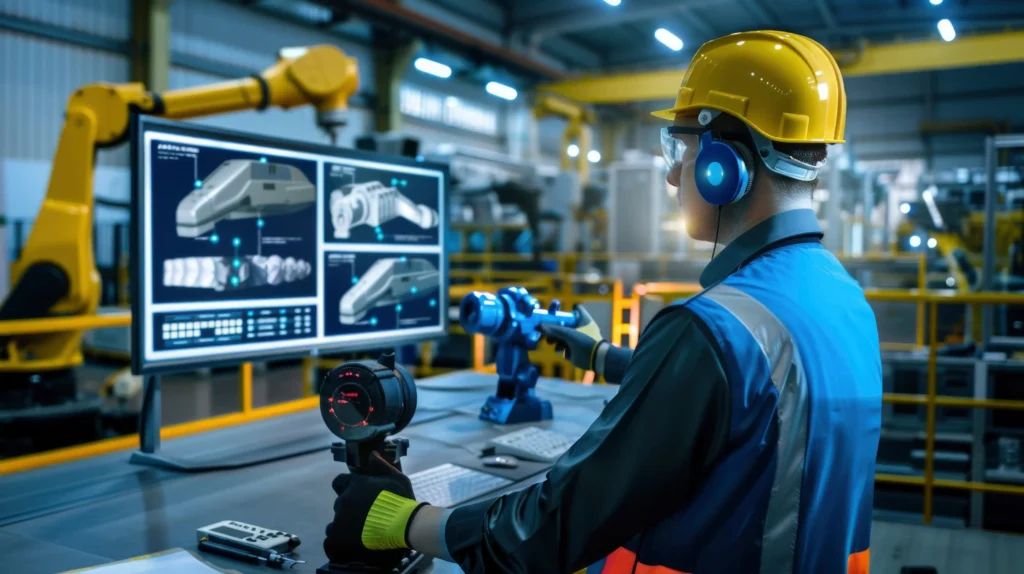 Best Course After B.Tech In Kerala : Top Career-Oriented Courses for Engineering Graduates
 -
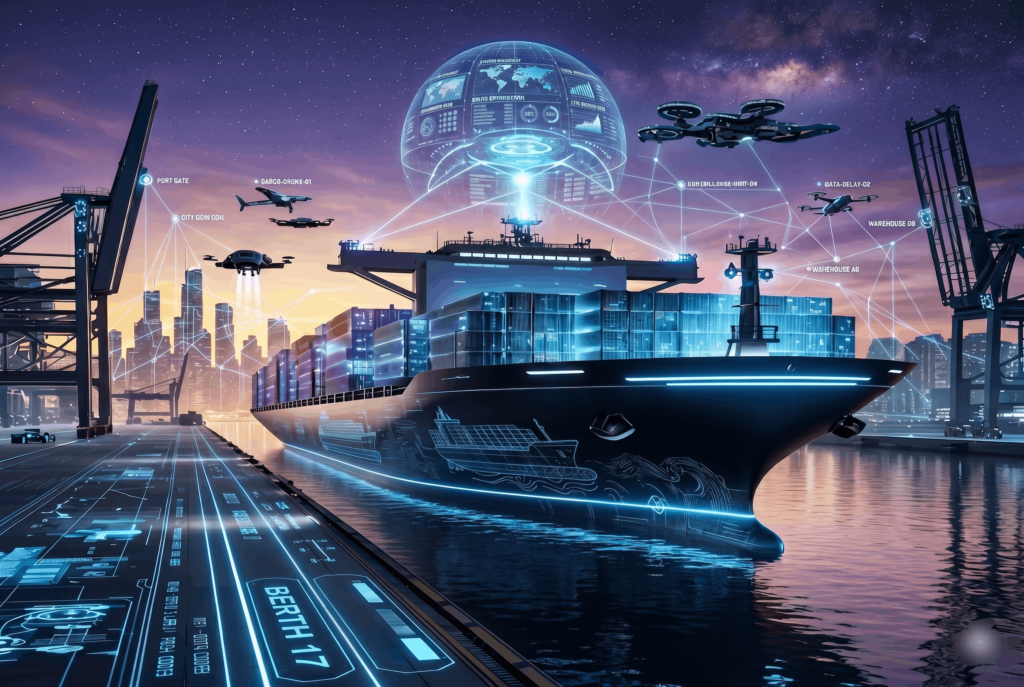 Industrial Automation: Transforming Industries with Smart Technology
 -
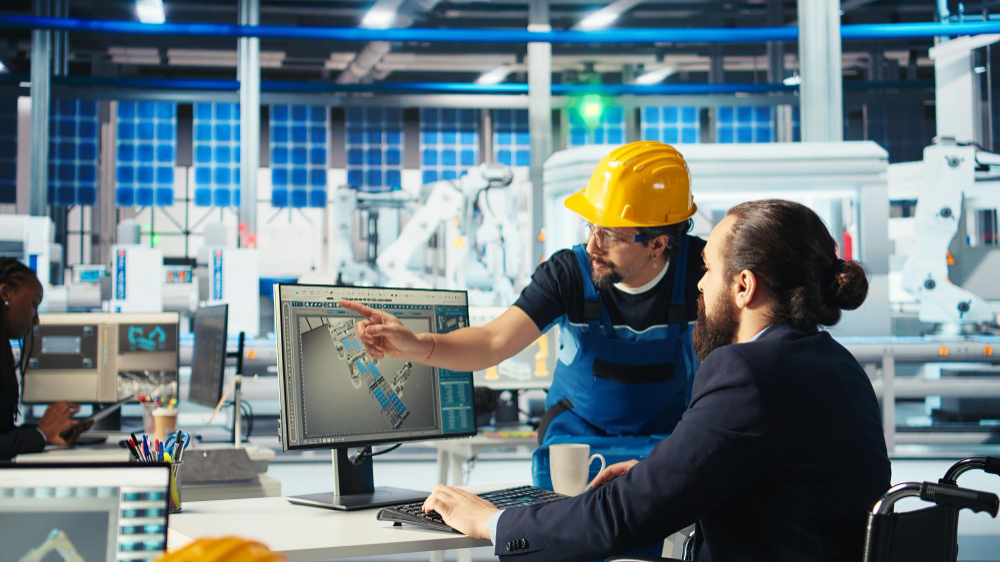 Marine Electrical & Instrumentation Course in Kerala
We are a group of Experienced passionate professionals spent many years working in the marine, oil and gas, petrochemical, and energy sectors.
Other Pages
Quick Links
Copyright © 2023 Voyage Institute Of Technology Pvt Ltd, All rights reserved.