
Industrial Automation in Modern Industry
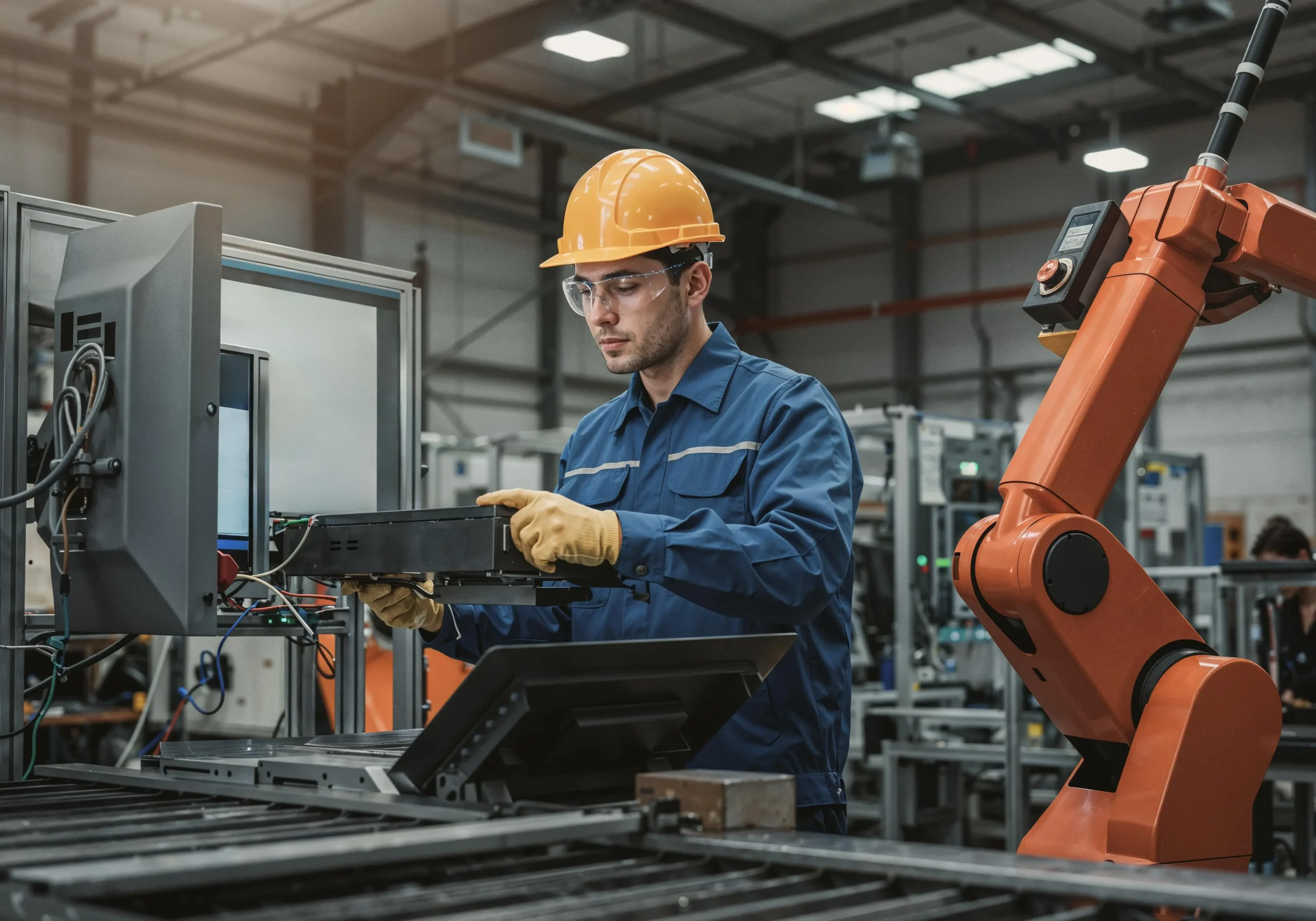
Industrial automation has become a driving force behind the growth and efficiency of modern industries. As businesses face increasing competition, rising operational costs, and the demand for faster production, automation offers practical solutions that help industries stay ahead. Today, industrial automation is not just about machines—it is about creating smarter, safer, and more reliable industrial environments.
Understanding Industrial Automation
Industrial automation refers to the use of advanced control systems such as Programmable Logic Controllers (PLCs), Distributed Control Systems (DCS), SCADA, sensors, robotics, and software to automate industrial processes. These systems reduce the need for continuous human involvement while ensuring precision and consistency in operations.
In modern industry, automation is used to control machinery, monitor processes, collect data, and optimize production in real time. This shift from manual operations to automated systems has significantly improved industrial performance across sectors.
Importance of Industrial Automation in Modern Industry
The importance of industrial automation in modern industry cannot be overstated. Companies are under constant pressure to deliver high-quality products at lower costs and within shorter timelines. Automation helps achieve these goals by improving efficiency and minimizing errors.
Key benefits include:
- Higher productivity: Machines can operate continuously without fatigue
- Improved accuracy: Automated systems reduce human errors
- Enhanced safety: Dangerous and repetitive tasks are handled by machines
- Cost efficiency: Reduced labor costs and material wastage
- Consistent quality: Uniform production standards are maintained
Automation enables industries to scale operations while maintaining control over quality and safety.
Applications of Industrial Automation
Industrial automation plays a crucial role in various industries:
Manufacturing Industry
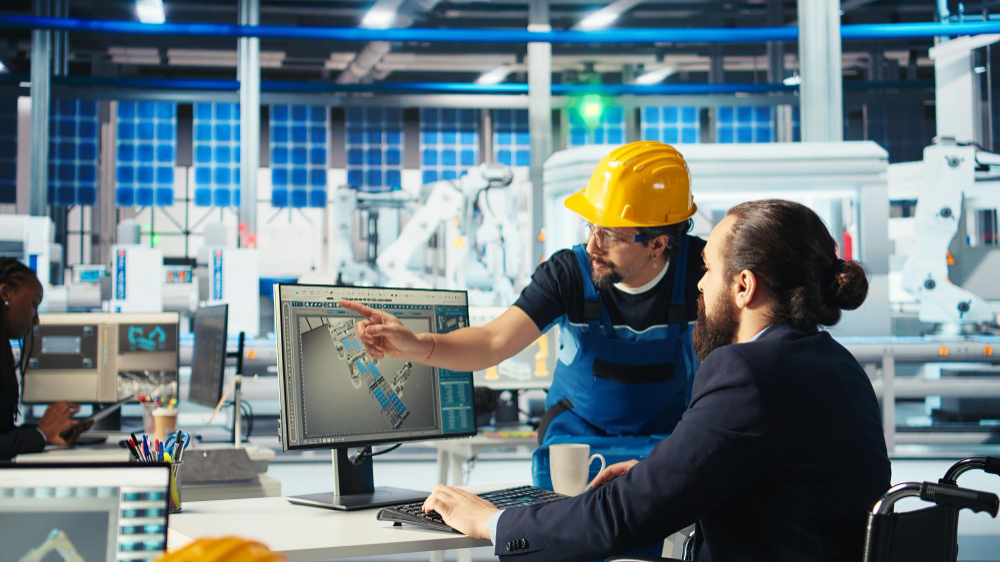
Automation is widely used in assembly lines, robotic welding, packaging, and quality inspection. Smart factories rely on automation to increase output and maintain precision.
Oil and Gas Industry
Automation systems help monitor pressure, temperature, and flow, ensuring safe and efficient operations in hazardous environments.
Power and Energy Sector
Automated control systems manage turbines, generators, and electrical grids, improving reliability and reducing downtime.
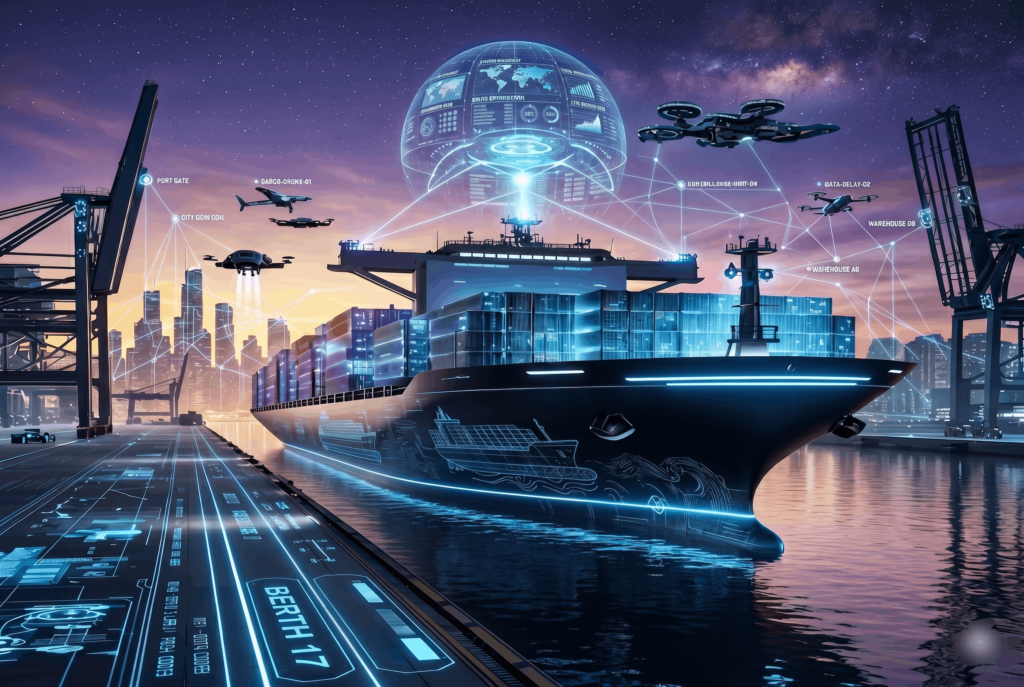
Marine and Shipping Industry
Industrial automation supports engine control systems, navigation, and autonomous vessels, contributing to safer and more efficient maritime operations.
Food and Pharmaceutical Industry
Automation ensures hygiene, accuracy, and regulatory compliance during processing and packaging.
Role of Industrial Automation in Industry 4.0
Industrial automation is a key foundation of Industry 4.0, which focuses on smart manufacturing and digital transformation. Technologies such as Artificial Intelligence (AI), Internet of Things (IoT), cloud computing, and data analytics are integrated with automation systems to create intelligent, connected industries.
Smart factories can analyze production data in real time, predict maintenance needs, and optimize performance automatically. This level of automation helps industries reduce downtime and make data-driven decisions.
Career Opportunities in Industrial Automation
With the rapid adoption of automation technologies, the demand for skilled professionals is growing. Careers in industrial automation include:
- Automation Engineer
- PLC / SCADA Programmer
- Control Systems Engineer
- Instrumentation Engineer
- Maintenance and Service Engineer
Industrial automation skills are highly valued across industries, offering long-term career stability and growth opportunities.
Challenges and Future Outlook
While industrial automation offers many advantages, challenges such as high initial investment, system complexity, and the need for skilled manpower still exist. However, continuous advancements in technology are making automation more affordable and accessible.
The future of industrial automation in modern industry looks promising. As industries move toward sustainability and digitalization, automation will play a vital role in reducing energy consumption, improving efficiency, and supporting innovation.
Conclusion
Industrial automation in modern industry is no longer a luxury—it is a necessity. It helps industries improve productivity, enhance safety, reduce costs, and stay competitive in a rapidly evolving market. As technology continues to advance, industrial automation will remain a key pillar shaping the future of global industries.
Latest Post
-
 Is Industrial Automation a Good Career Choice in 2026?
 -
 Best Courses After ITI & Diploma – Career-Oriented Automation Courses
 -
 Best Course After B.Tech In Kerala : Top Career-Oriented Courses for Engineering Graduates
 -
 Industrial Automation: Transforming Industries with Smart Technology
 -
 Marine Electrical & Instrumentation Course in Kerala
We are a group of Experienced passionate professionals spent many years working in the marine, oil and gas, petrochemical, and energy sectors.
Other Pages
Quick Links
Copyright © 2023 Voyage Institute Of Technology Pvt Ltd, All rights reserved.